
Hviezdoslav Square
A tree-lined promenade
About
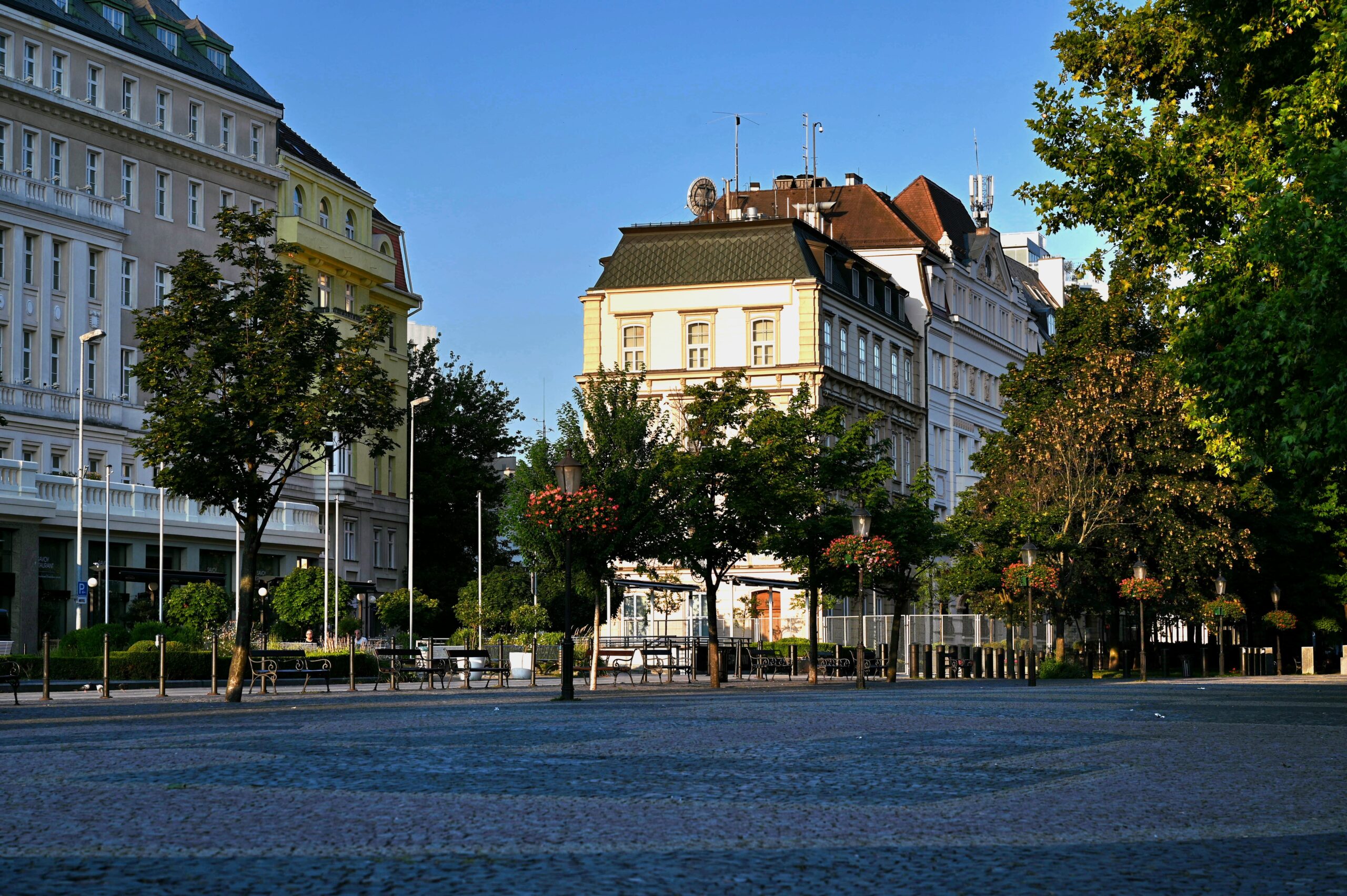
Before the demolition of the southern City Walls in the 18th century, Hviezdoslav Square was located outside the inner city, along the route to the Danube’s shore, and was accessible through the Fishermen’s Gate. Today, a preserved underground section of the fortifications near the Ganymede Fountain serves as a reminder of the city’s historical defenses. After Empress Maria Theresa authorized the walls’ demolition, the area transformed into a tree-lined promenade with new buildings constructed along its sides.
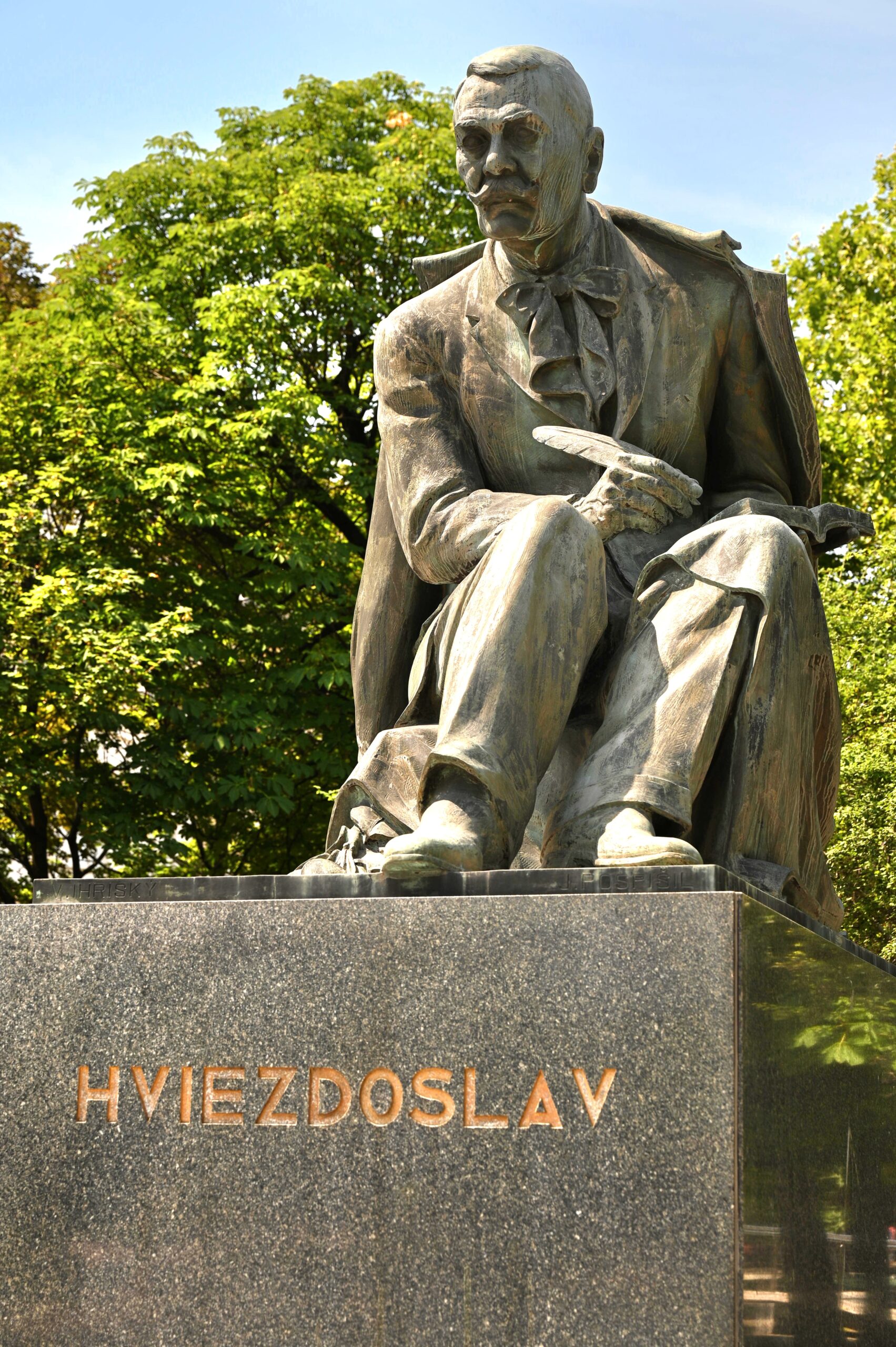
The square is named after Pavol Orszagh Hviezdoslav, a celebrated Slovak poet, playwright, and cultural figure of the late 19th and early 20th centuries. His monumental seated statue, along with engraved pillars displaying excerpts from his works, divides the square into eastern and western sections.
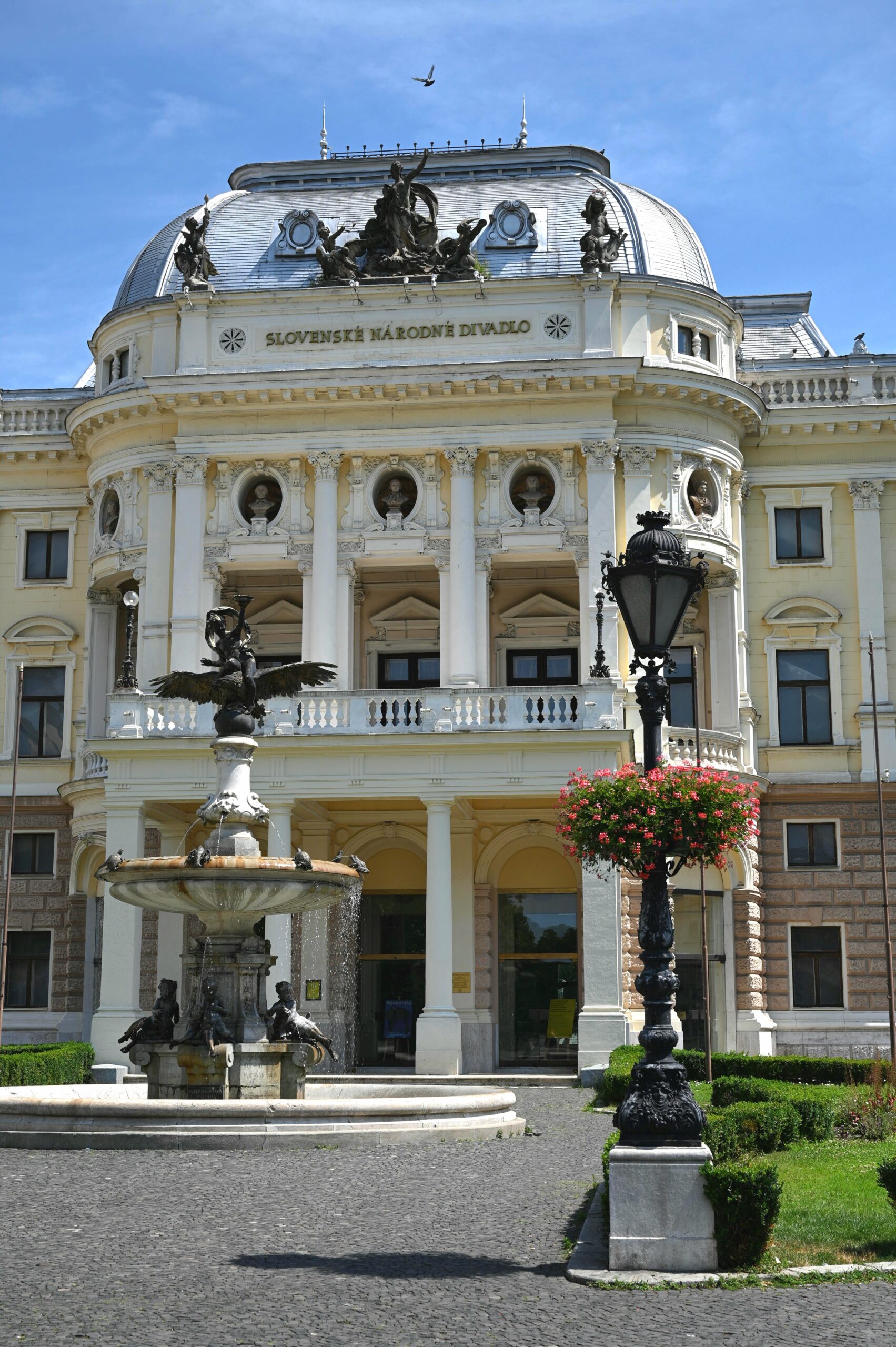
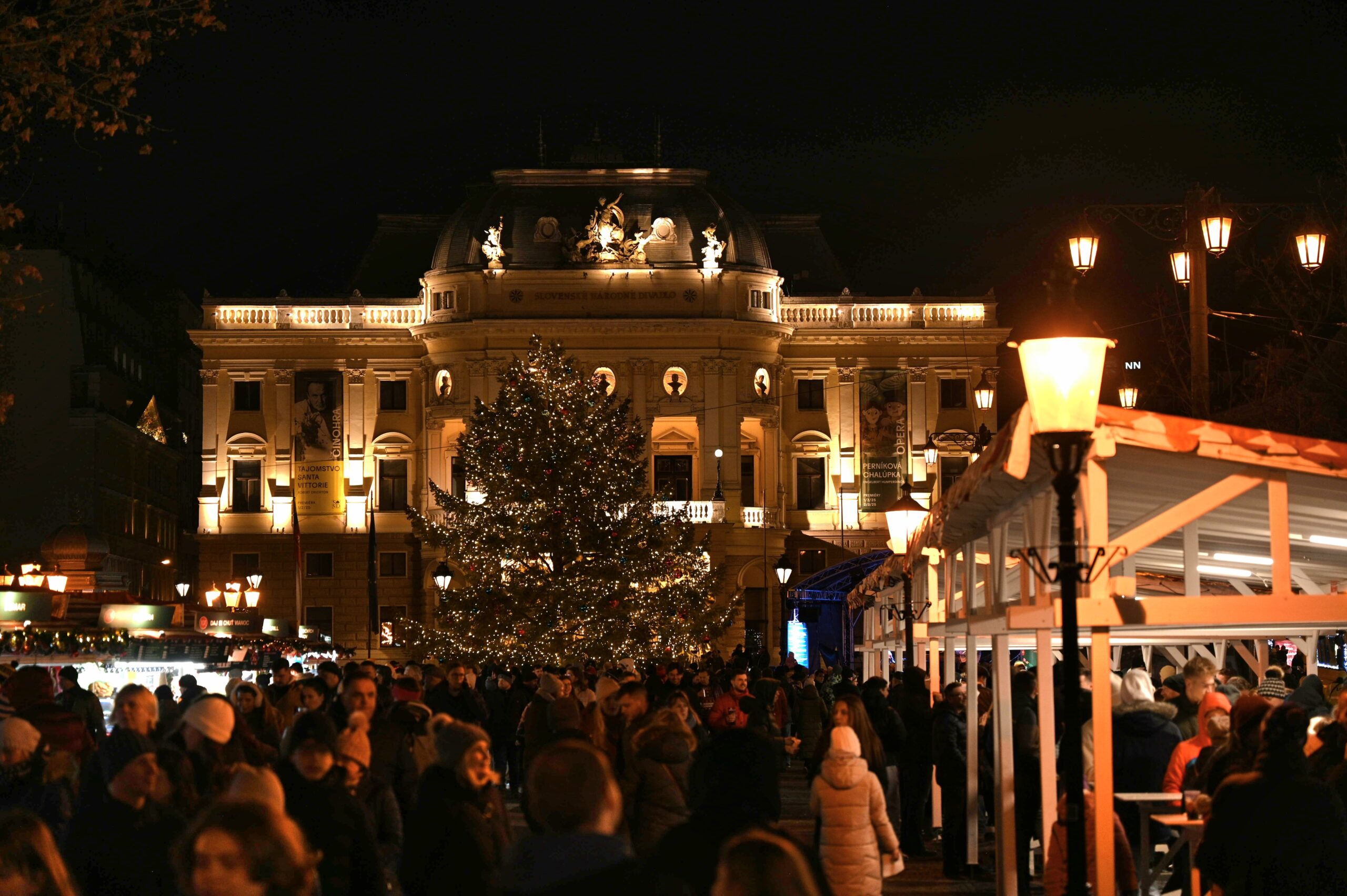
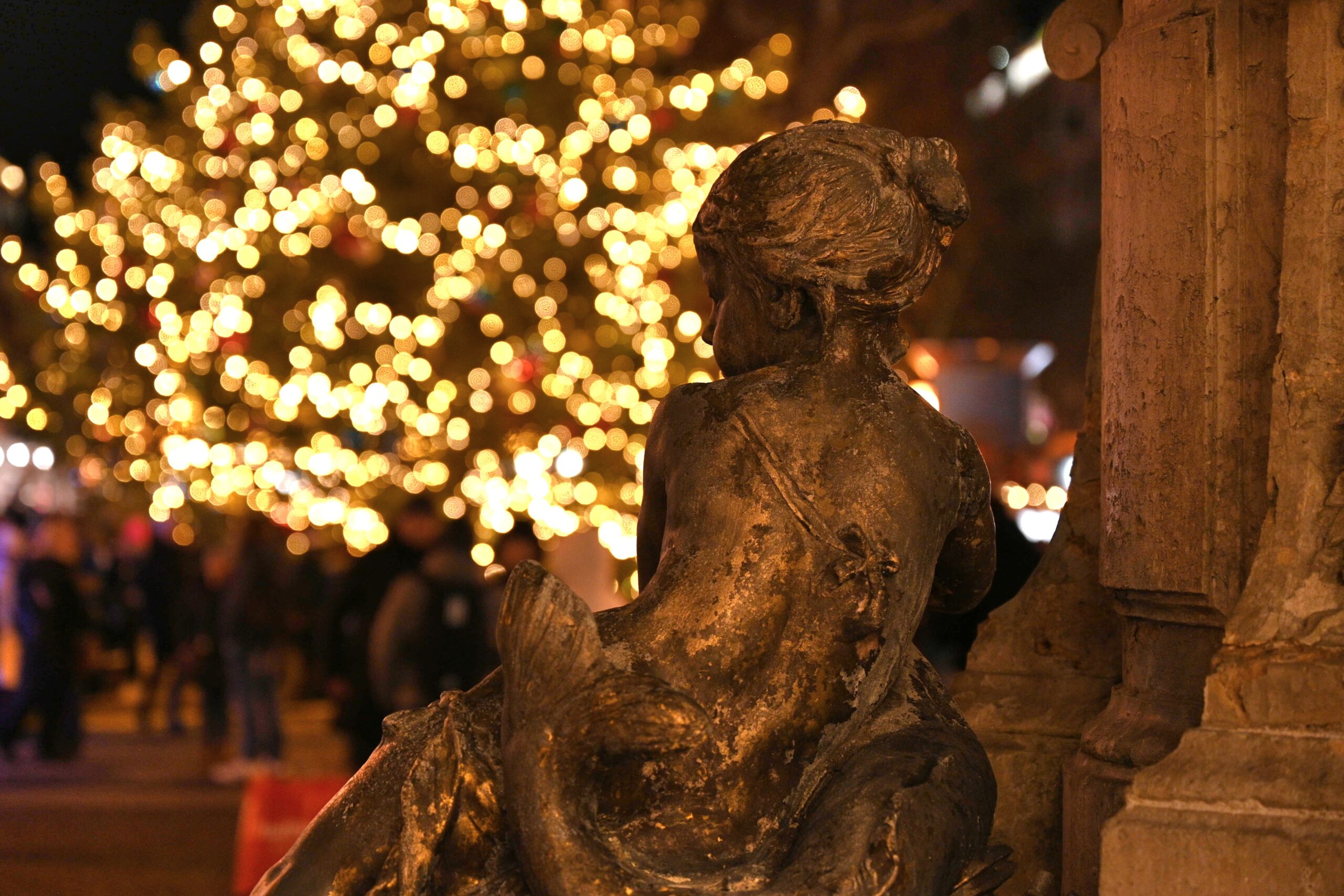
The eastern part of the square is dominated by the Historical Building of the Slovak National Theater, which opened in 1886 as the city theater. In front of the theater stands Ganymede’s Fountain, Bratislava’s first purely decorative public fountain.
Another prominent landmark is the grand Carlton Savoy Hotel, which has undergone numerous reconstructions since its predecessor, the Inn At Three Trees, was established in 1760. The site’s history stretches back to the 13th century, when it hosted the Inn At the Swan. Over the years, the hotel has welcomed distinguished guests, including Maria Theresa, Jules Verne, Albert Einstein, Alfred Nobel, Franklin D. Roosevelt, Thomas Edison, Tomas Garrigue Masaryk, and Franz Liszt.
The square also houses embassies of key allied nations, such as the United States, Germany, and Czechia. Its northern side is lined with elegant palaces featuring upscale restaurants, bars, cafés, and ice cream parlors.
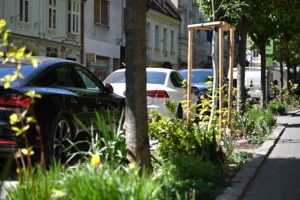
The square itself is adorned with mature trees, colorful flower beds, and an array of statues and fountains. Notable among them is the Girl with Fawn, a charming fountain inspired by the Brothers Grimm tale, created in 1936 by Alojz Rigele and completed in 1942 by Robert Kuhmayer. Another highlight is the 2006 statue of Hans Christian Andersen, commemorating his 1841 visit to Bratislava.
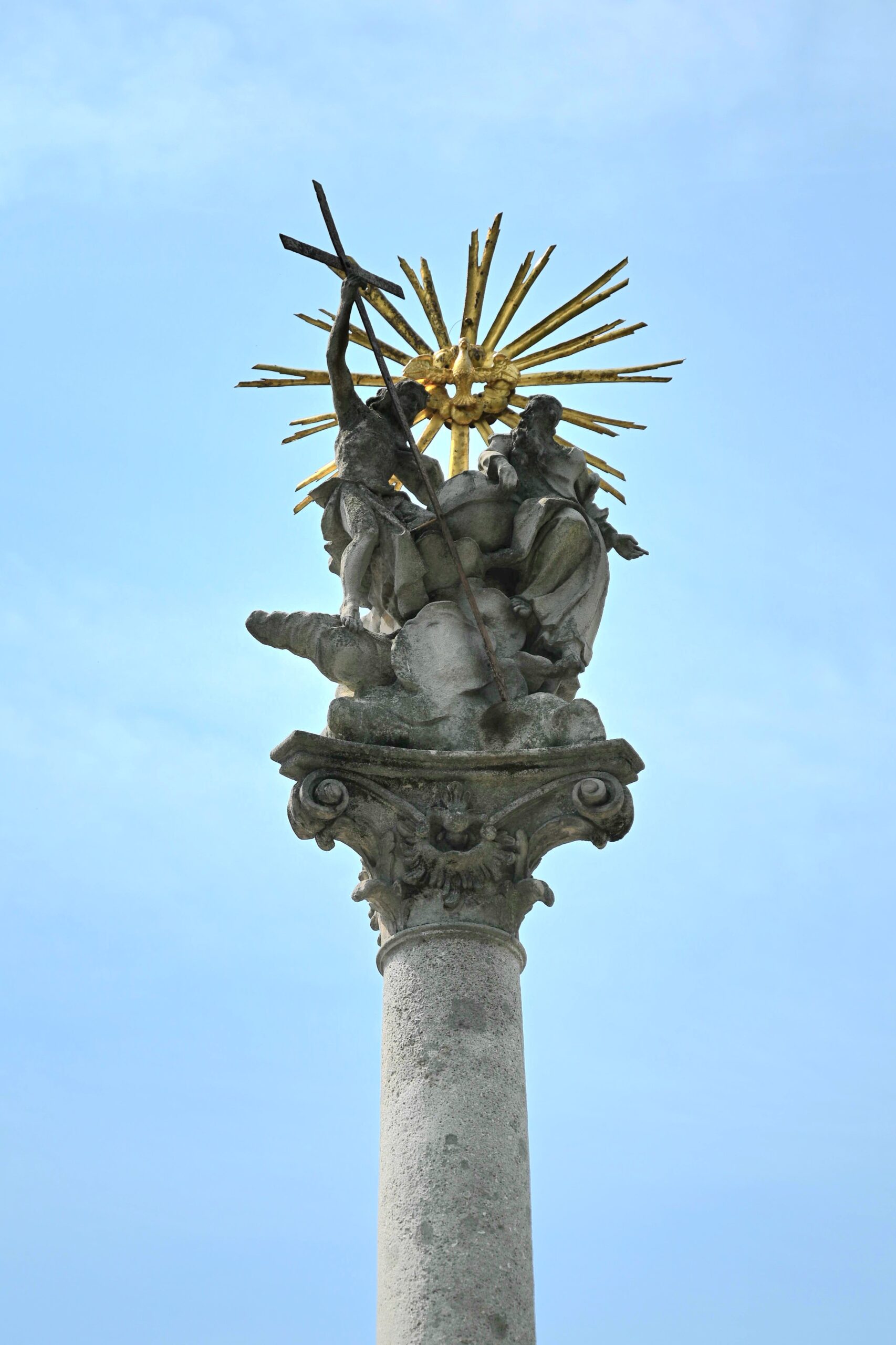
Hviezdoslav Square transitions into Rybne Square on its western end, where visitors can find a 1713 Plague Column, honoring the victims of the 1712 epidemic.
Logistics
- Hviezdoslavovo námestie, Bratislava
- Non-stop
- Free of charge
- With its wide selection of restaurants featuring terraces, Hviezdoslav Square is an excellent spot to conclude your tour with a delightful dinner.
- The public clocks in front of the Carlton Hotel have long been a popular meeting spot. When ordering a taxi, simply specify "pri hodinach" (by the clocks) as the pickup location.
Tips
Nearby restaurants
Hviezdoslav Square offers a variety of bars, cafés, and restaurants. Among them is the beautifully designed Zylinder, which captures the elegance of Emperor Franz Joseph’s era. For an upscale dining experience with stunning views of the cathedral and the Old Town, visit Sky Bar & Restaurant. If you prefer a quieter café, consider the nearby Talks or 2 Zebras.
Things to do nearby
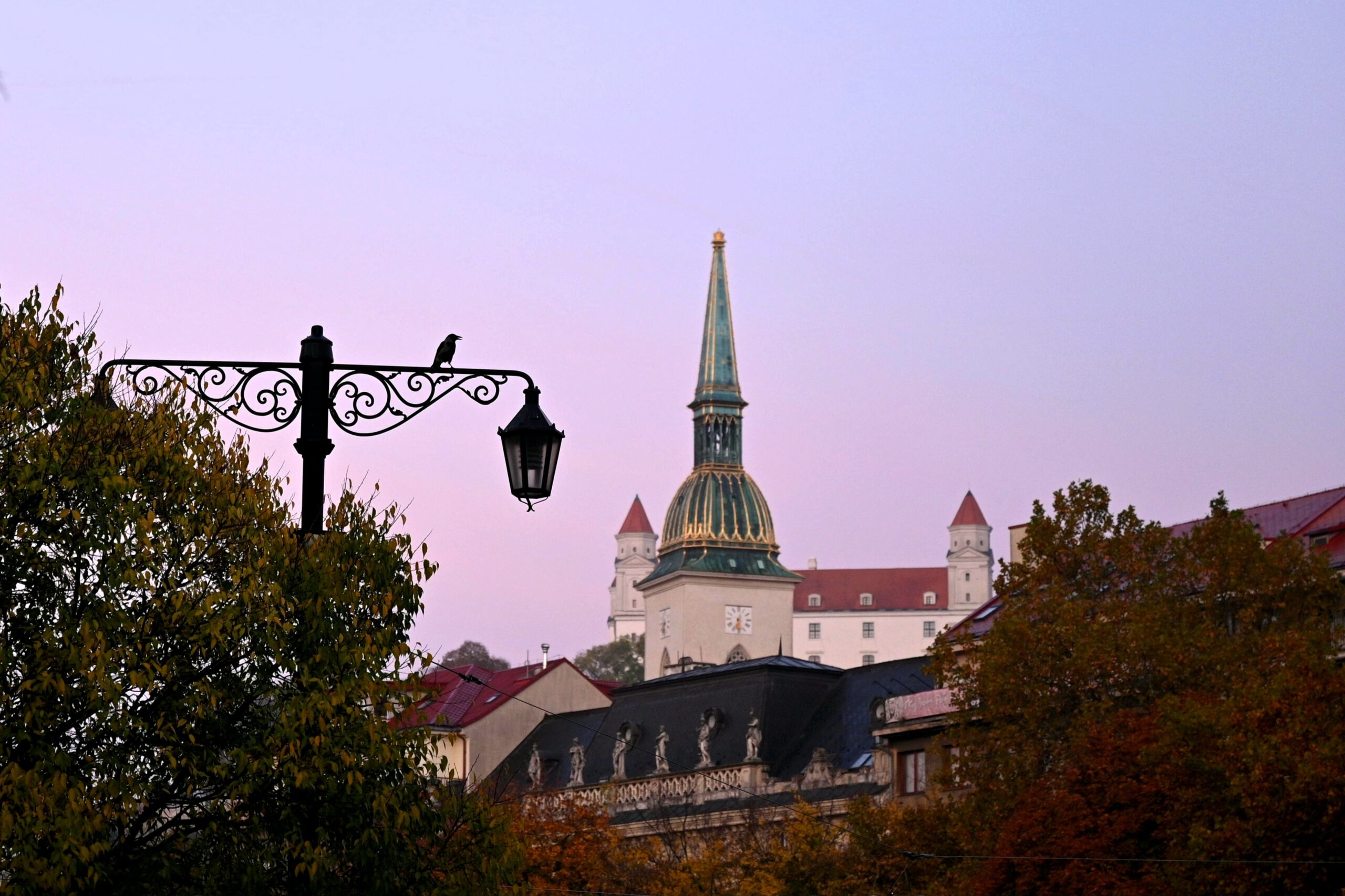
Hviezdoslav Square serves as the gateway to the Old Town, once protected by the City Walls and now home to numerous tourist attractions, including the Old Town Hall, St. Martin’s Cathedral, and Michael’s Gate. Below is a selection of nearby highlights, such as the Old Theater and the Slovak Philharmonic in the square’s eastern area, or the statue of Cumil in a neighboring street.
The Historical Building of the Slovak National Theatre, designed by Vienna-based architects in an eclectic style, first opened its doors in 1886 as a city theater. It became the home of the Slovak National Theatre upon its founding in 1920 and served this role throughout the 20th century. Currently, the building is not in use and awaits much-needed general reconstruction. Despite this, it remains a prominent feature of Hviezdoslav Square, graced by the beautiful fountain depicting the mythological tale of Ganymede.
The construction of this stunning eclectic building, blending elements of Baroque, Rococo, and Art Nouveau, was completed in 1919. After World War II, the Reduta was designated as the home of the Slovak Philharmonic, serving as its seat and main stage ever since. The large concert hall, with a capacity of 700 seats, showcases a magnificent Rieger pipe organ installed in 2011 during the building’s general reconstruction. Experience Bratislava through the timeless beauty of classical music performed by one of Europe’s finest philharmonic orchestras!
The Slovak National Gallery (SNG) serves as a gateway to Slovakia’s and Europe’s artistic heritage and contemporary creativity. Its vast collection, encompassing nearly 90,000 artworks, includes remarkable examples of sacred sculptures and paintings from the Gothic and Baroque eras, alongside modern and contemporary pieces. Step into SNG’s freshly renovated main building at the waterfront to explore captivating permanent and temporary exhibitions! The gallery also features a small book shop, a coffee shop, and a cinema hall.
For centuries, the St. Martin’s Cathedral was playing a key religious and political role in Central Europe, as the coronation church of kings and queens of the Hungarian Kingdom, including famous Maria Theresa. The construction of this beautiful Gothic building was initiated in 1311 A.D. and finalized two centuries later. The 85-meter-high tower houses houses six bells, including a 2.5-ton Wederin, dating back to 1674, as well as a 150-kilogram golden-plated model of the Hungarian royal crown.
One of Europe’s oldest pharmacies, Salvator was established by the Jesuit College after their arrival in Bratislava in the first half of the 17th century and was formally founded by Archbishop Georgius Lippay around 1658. Originally located in a building opposite the northern entrance to the Cathedral on Kapitulska Street, the pharmacy moved in the 1830s to the Csaky Palace, south of the Cathedral on Panska Street, and eventually, in 1904, to a neighboring building where it still operates today. Visitors can admire the original Baroque furniture from the 1720s and a grand marble table dating back to the first half of the 17th century.
The Danube is the second-largest river in Europe, connecting 10 countries from Germany’s Black Forest to Ukraine’s Black Sea delta. It has shaped Bratislava’s history since time immemorial, serving as a trade route, imperial frontier, natural defense line, and source of food. Today, the riverfront promenade is a lively public space for locals and visitors alike, acting as a meeting point, recreational hub, shopping area, and gateway to the Old Town’s treasures. With green spaces, shops, restaurants, and cafés, it offers everything needed for relaxation.
A small bronze sculpture of an ordinary man happily observing daily life on Korzo, Bratislava’s promenade zone, was installed in 1997. Alongside the statues of Schone Naci and the Napoleonic Soldier located in the Main Square, Cumil (the Gazer) is one of the most photographed tourist attractions in Bratislava. To set the record straight, Cumil does not represent a water company worker or a soldier, the cap is not a helmet, and there is no evidence that touching the statue will bring you happiness.