
Old Theatre
1776 – 1886 – 1920
About
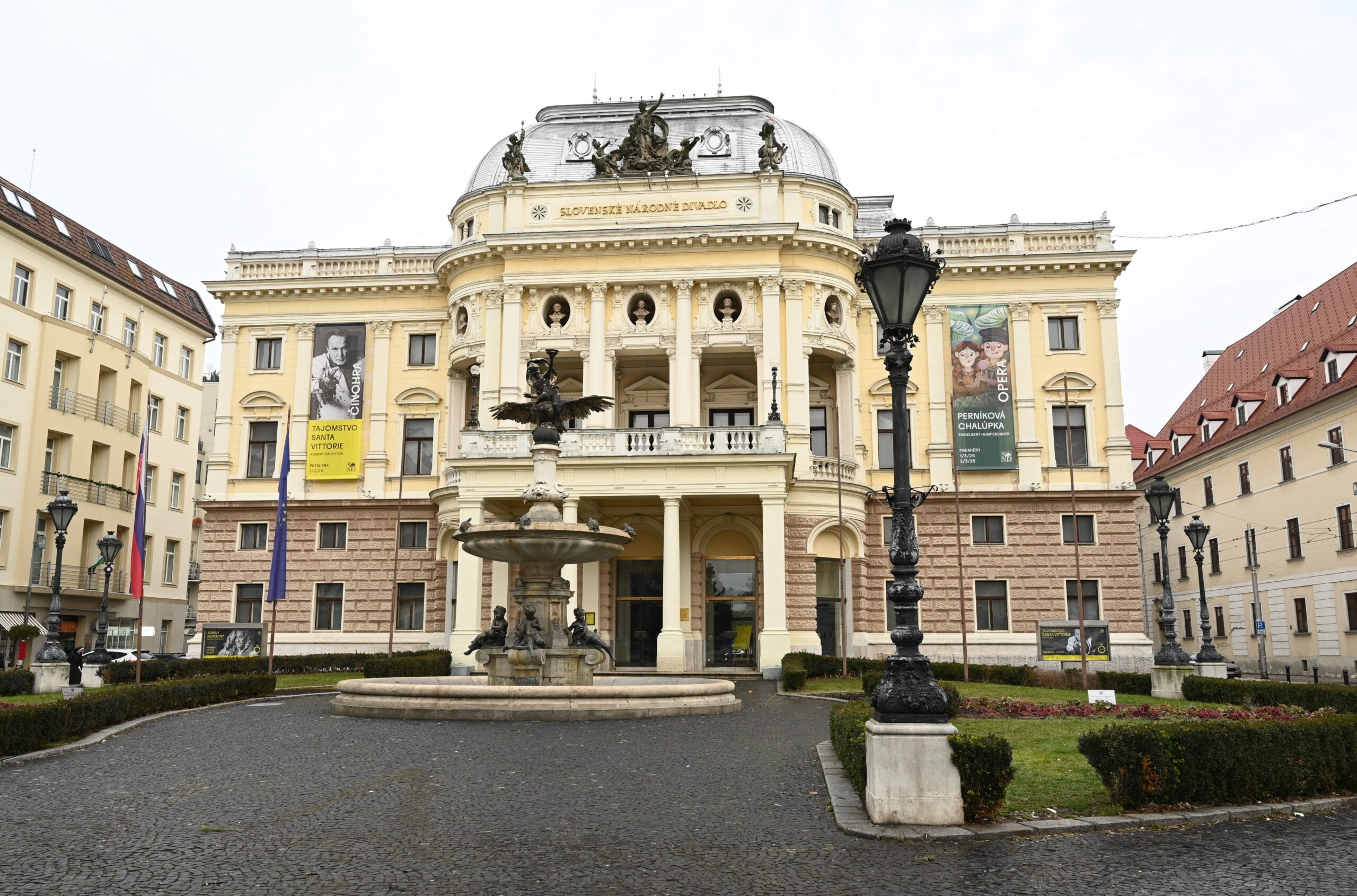
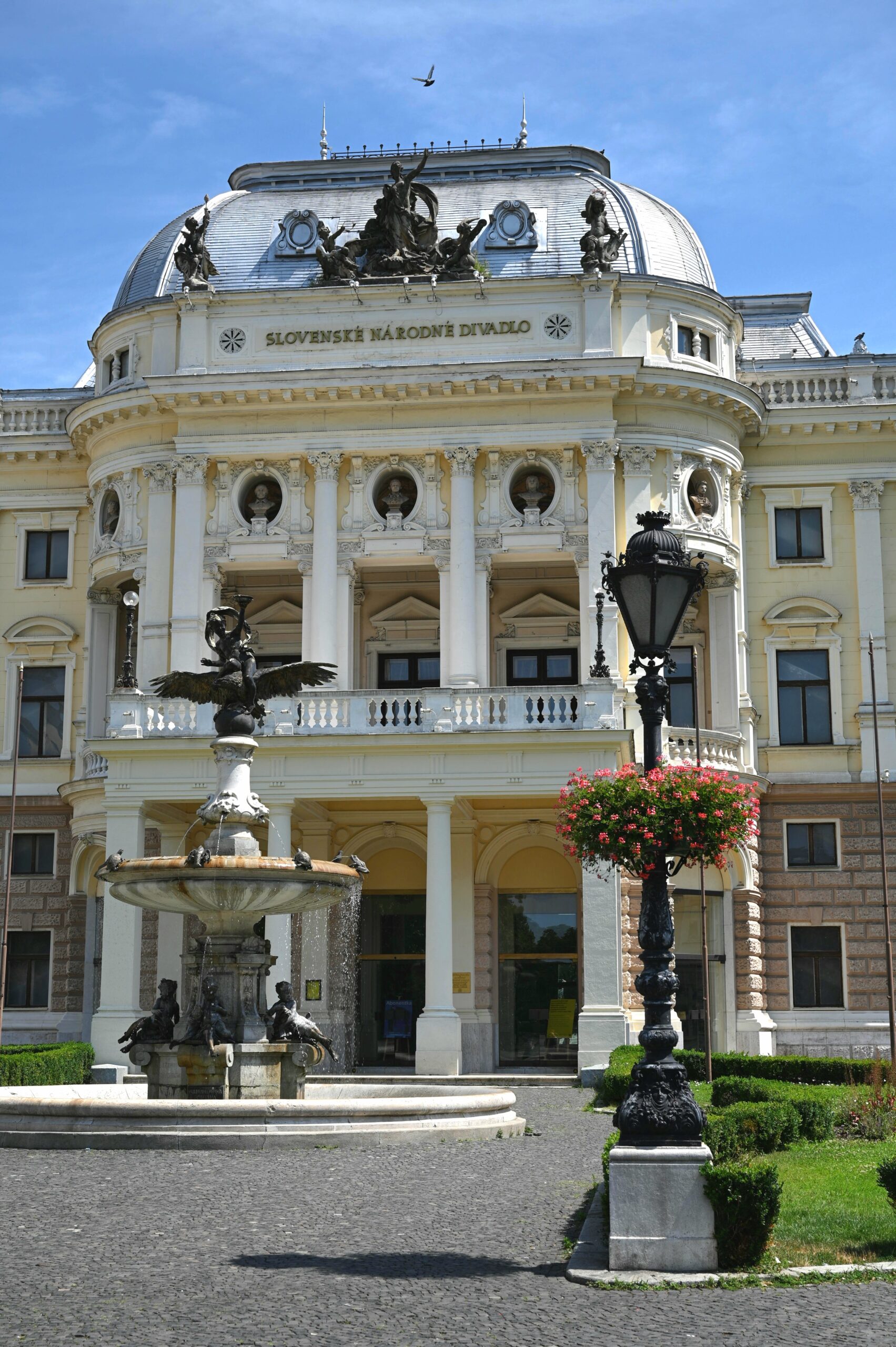
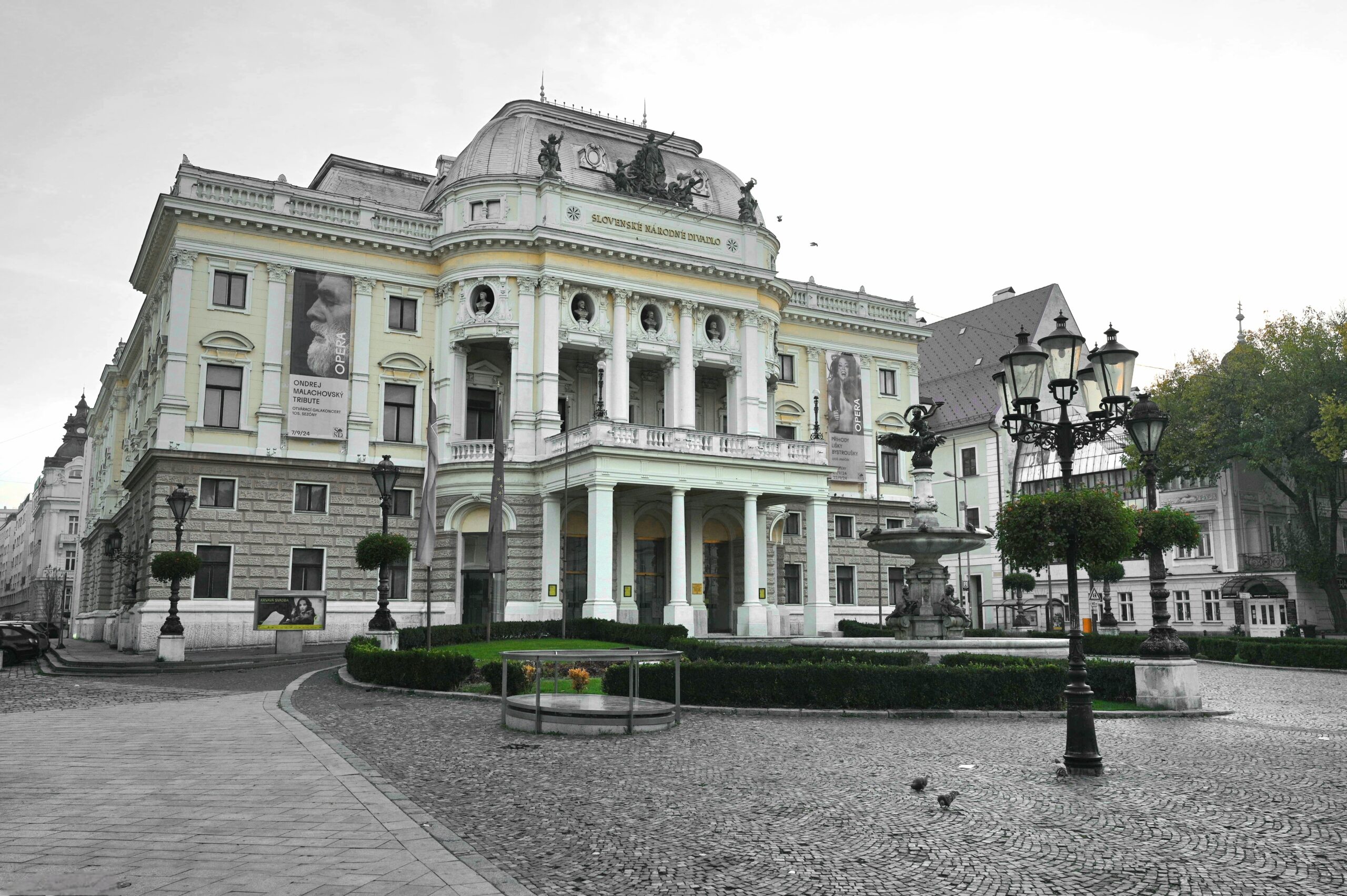
The historic building of the Slovak National Theatre (SND) was designed by renowned Vienna-based architects Ferdinand Fellner and Hermann Helmer and first opened in 1886 with a play The Medici by Johann Christian Brandes. This eclectic neorenaissance masterpiece originally served as the new City Theatre, replacing its previous classicist home, which had stood there since 1776. The theatrical spirit of this site thus spans almost 250 years.
The building served as a stage for drama, opera, and ballet ensembles. It transitioned from being the city’s premier theatre to a nationwide institution in 1920, when the Slovak National Theatre was established following the creation of Czechoslovakia. The SND’s first performance, Smetana’s opera Hubicka (The Kiss), took place in this building on March 1, 1920.
Although the theatre is currently not in use, as it awaits a much-needed general reconstruction, guided tours are available once a month. The building has already undergone multiple reconstructions, and a modern annex was built at its rear in 1972.
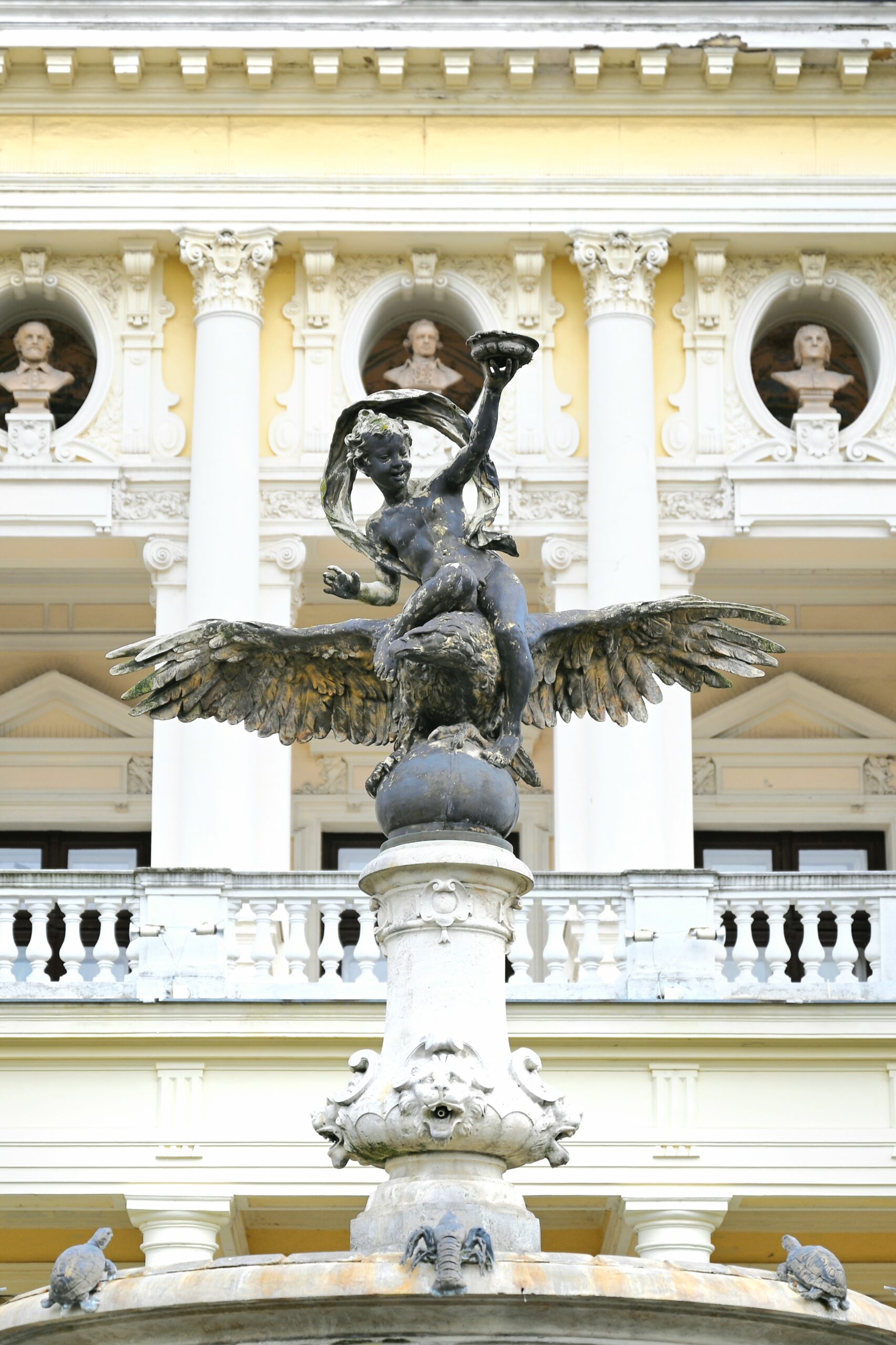
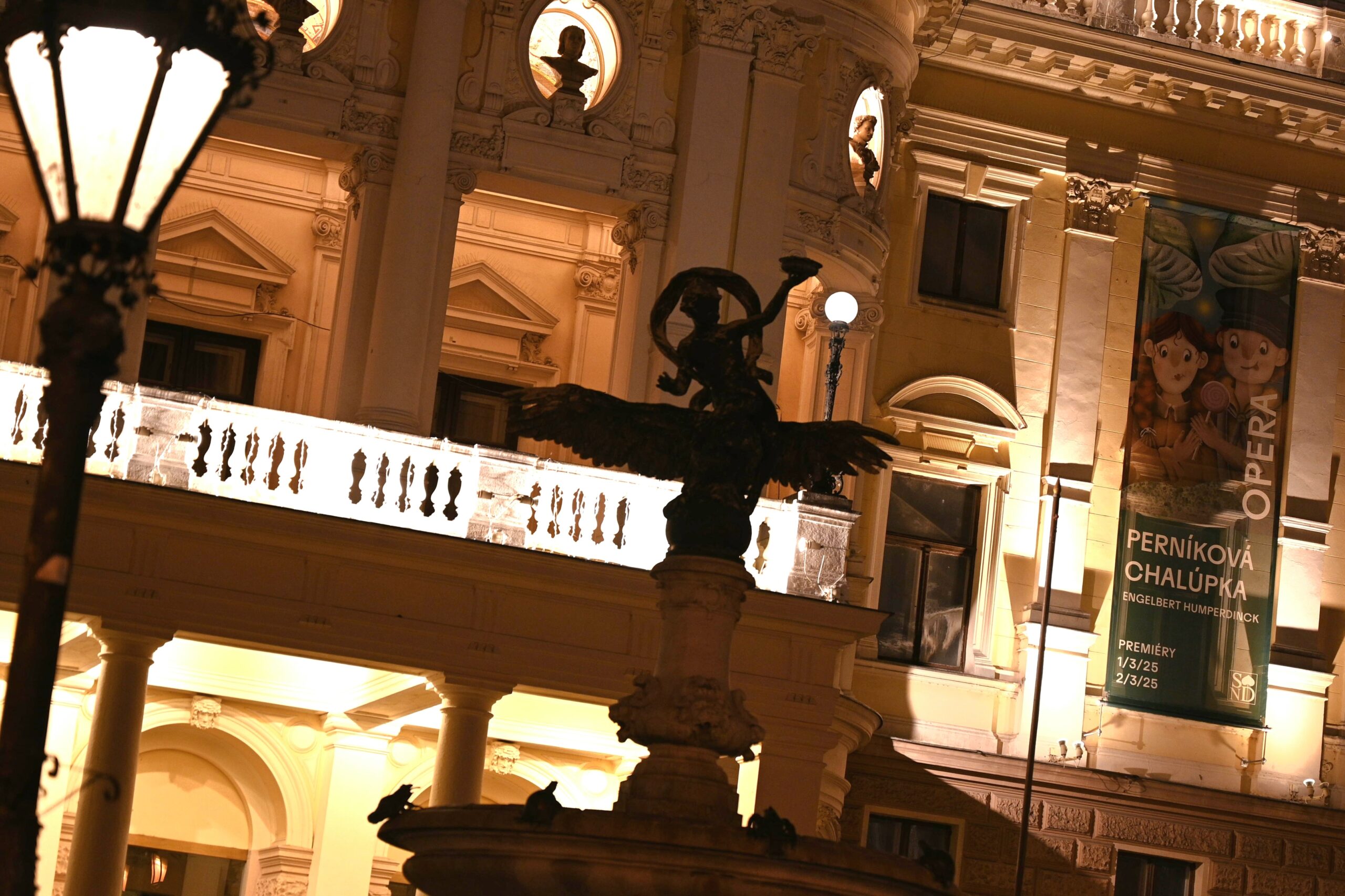
In front of the theatre’s main entrance, an exquisite 1888 fountain depicting the antique myth of Ganymede adorns Hviezdoslav Square. The fountain was created by Viktor Oskar Tilgner, a prominent Austrian sculptor born in Bratislava. This neobaroque artwork is Bratislava’s first purely decorative fountain, marking a departure from the centuries-old tradition of building fountains for water delivery purposes.
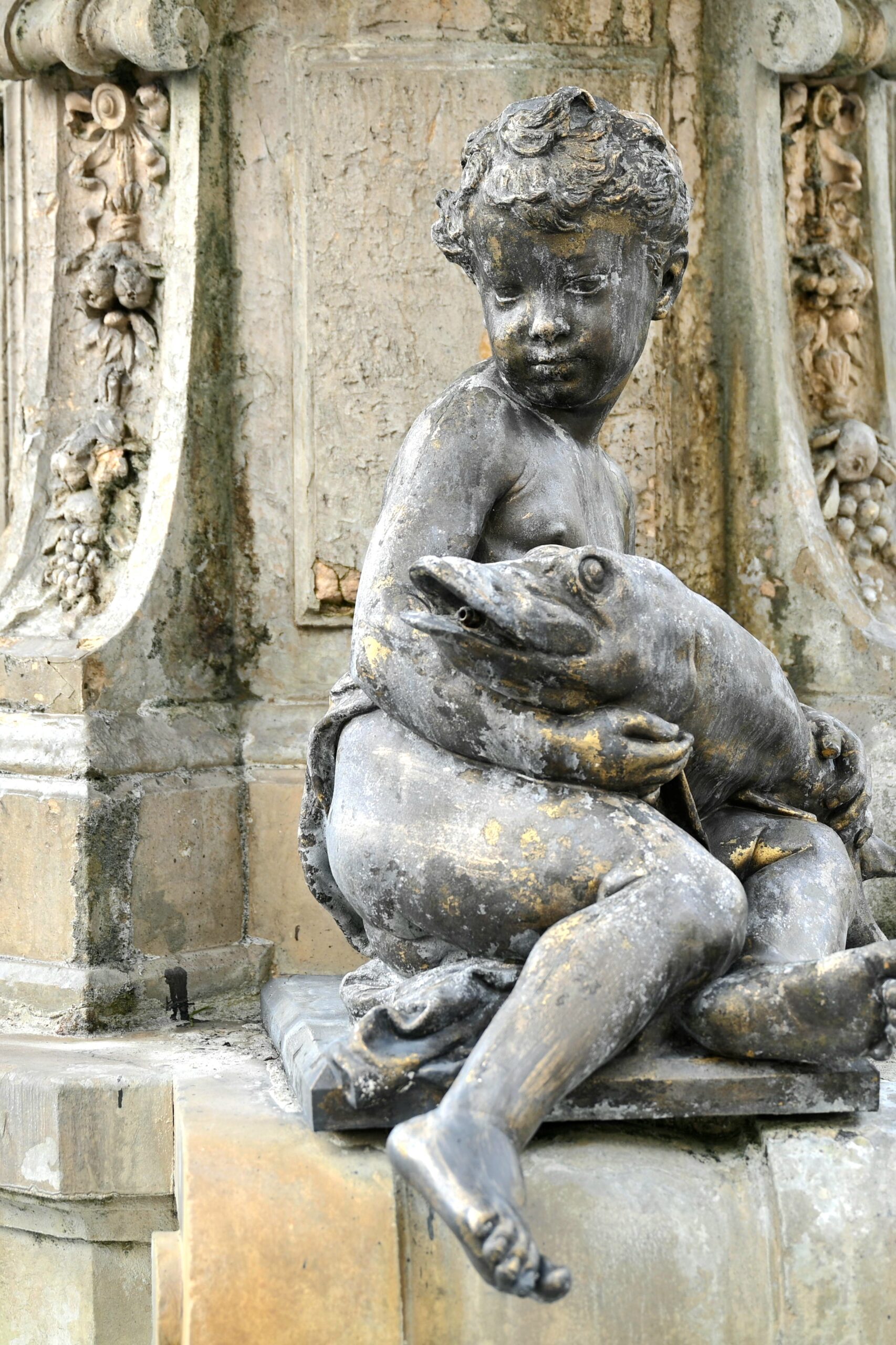
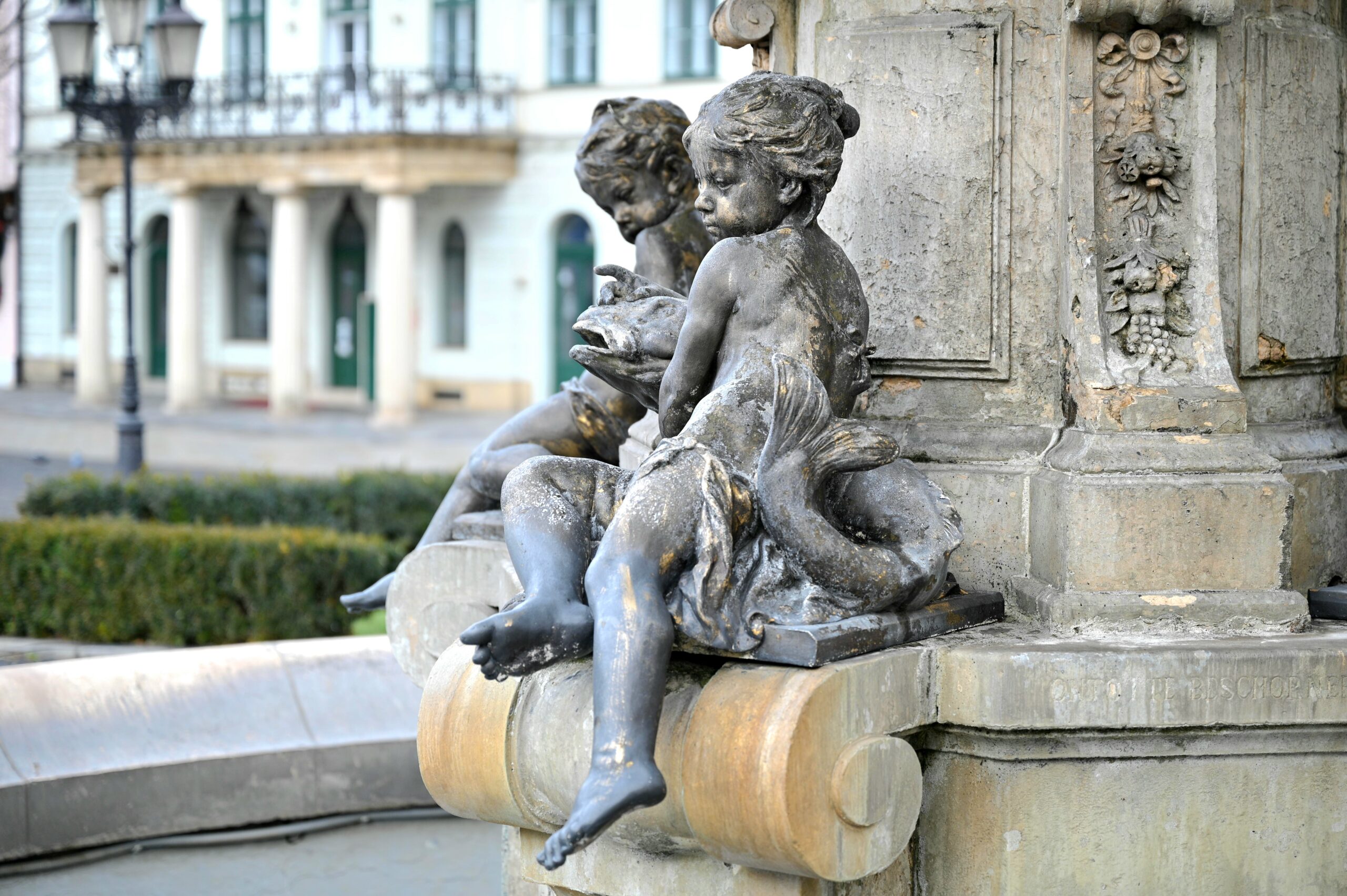
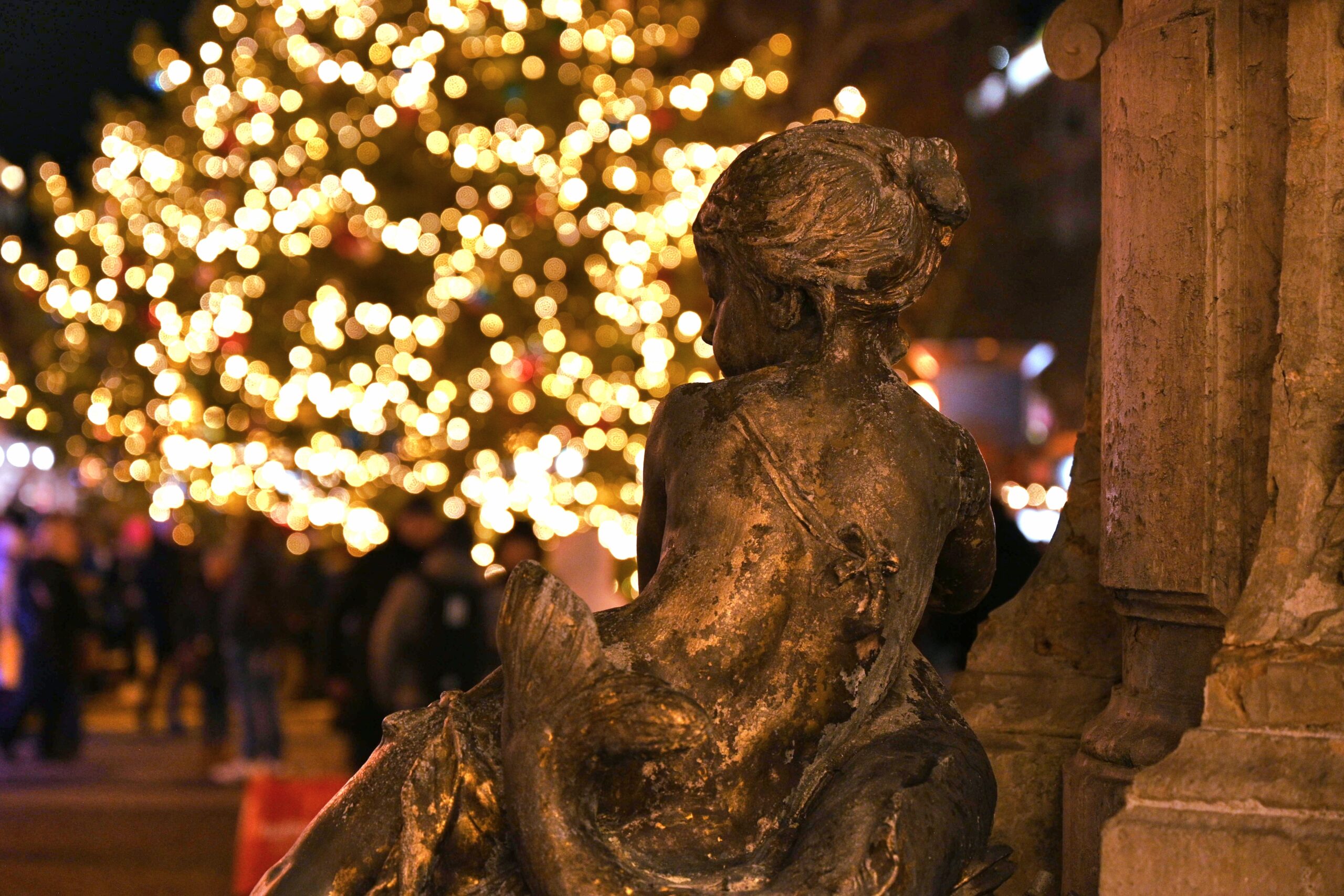
As described in Greek mythology, the fountain depicts Ganymede, a young boy, being abducted from Troy to Mount Olympus by Zeus, who had transformed into an eagle. At the top of the fountain, Ganymede stands on a ball and holds a cup, symbolizing his role in serving the gods. Below this metal sculpture, water flows from the mouths of four lion heads into a large rock basin. Supporting this display is a pillar adorned with four metal statues of children seated above it and surrounded by a massive water basin.
Tips
Nearby restaurants
Hviezdoslav Square offers a variety of bars, cafés, and restaurants. Among them is the beautifully designed Zylinder, which captures the elegance of Emperor Franz Joseph’s era. For an upscale dining experience with stunning views of the cathedral and the Old Town, visit Sky Bar & Restaurant. If you prefer a quieter café, consider the nearby Talks or 2 Zebras.
Things to do nearby
Hviezdoslav Square serves as the gateway to the Old Town, once protected by the City Walls and now home to numerous tourist attractions, including the Old Town Hall, St. Martin’s Cathedral, and Michael’s Gate. Below is a selection of nearby highlights, such as the Old Theater and the Slovak Philharmonic in the square’s eastern area, or the statue of Cumil in a neighboring street.
A sprawling promenade shaded by old trees and lined with numerous bars and restaurants, Hviezdoslav Square is one of Bratislava’s must-see attractions. Beautiful palaces on both sides recall the era when this area was home to wealthy nobility. Notable landmarks include the historic Slovak National Theatre building and the Carlton Hotel, which once hosted prominent figures such as Maria Theresa, Jules Verne, Albert Einstein, Alfred Nobel, Franklin D. Roosevelt, Thomas Edison, and Franz Liszt. The square features several fountains, a grand statue of one of Slovakia’s most significant poets, Pavol Orszagh Hviezdoslav, and various smaller statues. It culminates at Rybne Square with its 1713 Plague Column.
The construction of this stunning eclectic building, blending elements of Baroque, Rococo, and Art Nouveau, was completed in 1919. After World War II, the Reduta was designated as the home of the Slovak Philharmonic, serving as its seat and main stage ever since. The large concert hall, with a capacity of 700 seats, showcases a magnificent Rieger pipe organ installed in 2011 during the building’s general reconstruction. Experience Bratislava through the timeless beauty of classical music performed by one of Europe’s finest philharmonic orchestras!
The Slovak National Gallery (SNG) serves as a gateway to Slovakia’s and Europe’s artistic heritage and contemporary creativity. Its vast collection, encompassing nearly 90,000 artworks, includes remarkable examples of sacred sculptures and paintings from the Gothic and Baroque eras, alongside modern and contemporary pieces. Step into SNG’s freshly renovated main building at the waterfront to explore captivating permanent and temporary exhibitions! The gallery also features a small book shop, a coffee shop, and a cinema hall.
The Danube is the second-largest river in Europe, connecting 10 countries from Germany’s Black Forest to Ukraine’s Black Sea delta. It has shaped Bratislava’s history since time immemorial, serving as a trade route, imperial frontier, natural defense line, and source of food. Today, the riverfront promenade is a lively public space for locals and visitors alike, acting as a meeting point, recreational hub, shopping area, and gateway to the Old Town’s treasures. With green spaces, shops, restaurants, and cafés, it offers everything needed for relaxation.
A small bronze sculpture of an ordinary man happily observing daily life on Korzo, Bratislava’s promenade zone, was installed in 1997. Alongside the statues of Schone Naci and the Napoleonic Soldier located in the Main Square, Cumil (the Gazer) is one of the most photographed tourist attractions in Bratislava. To set the record straight, Cumil does not represent a water company worker or a soldier, the cap is not a helmet, and there is no evidence that touching the statue will bring you happiness.