
City Walls
Bratislava’s Medieval Legacy
About
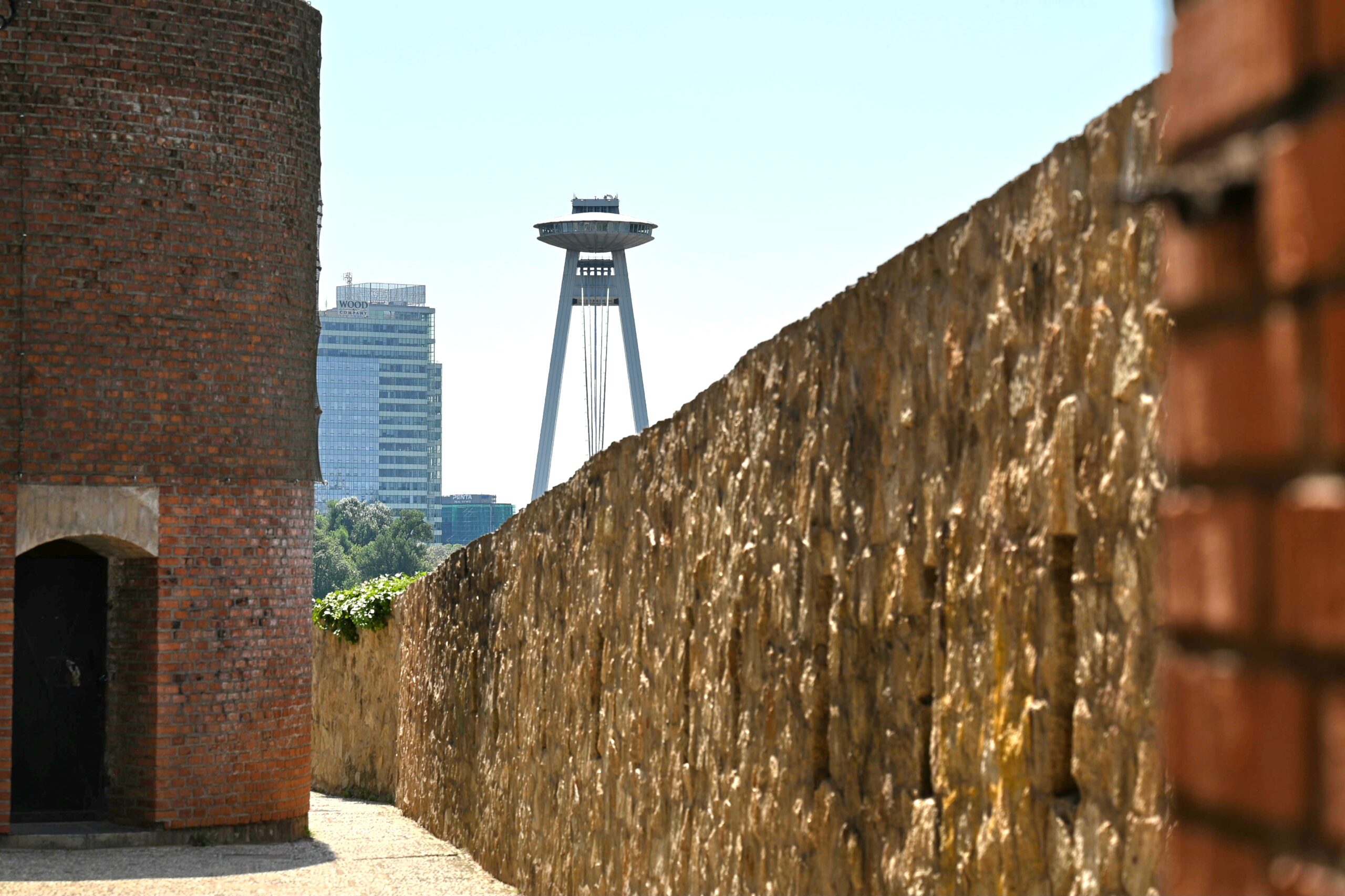
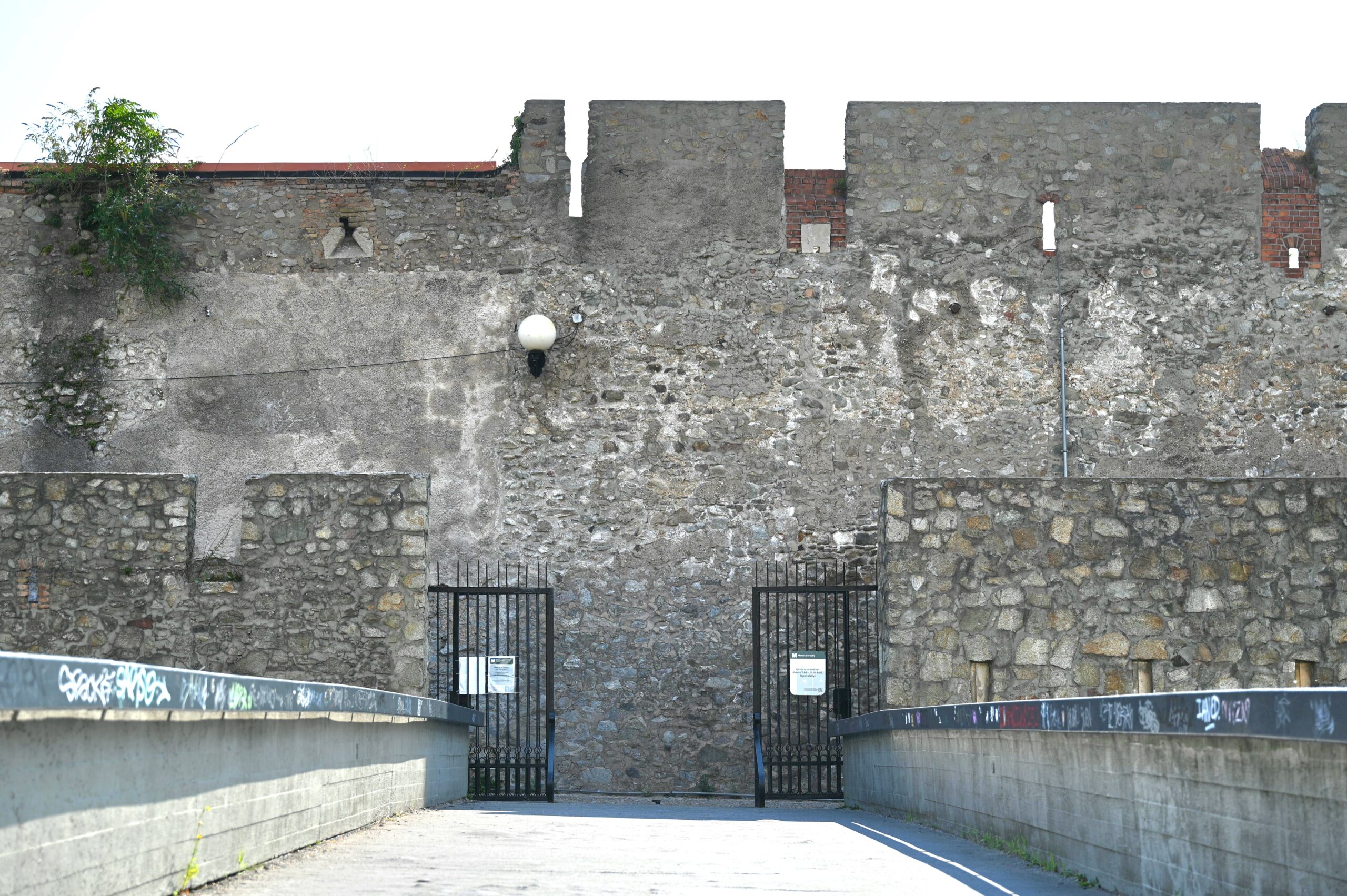
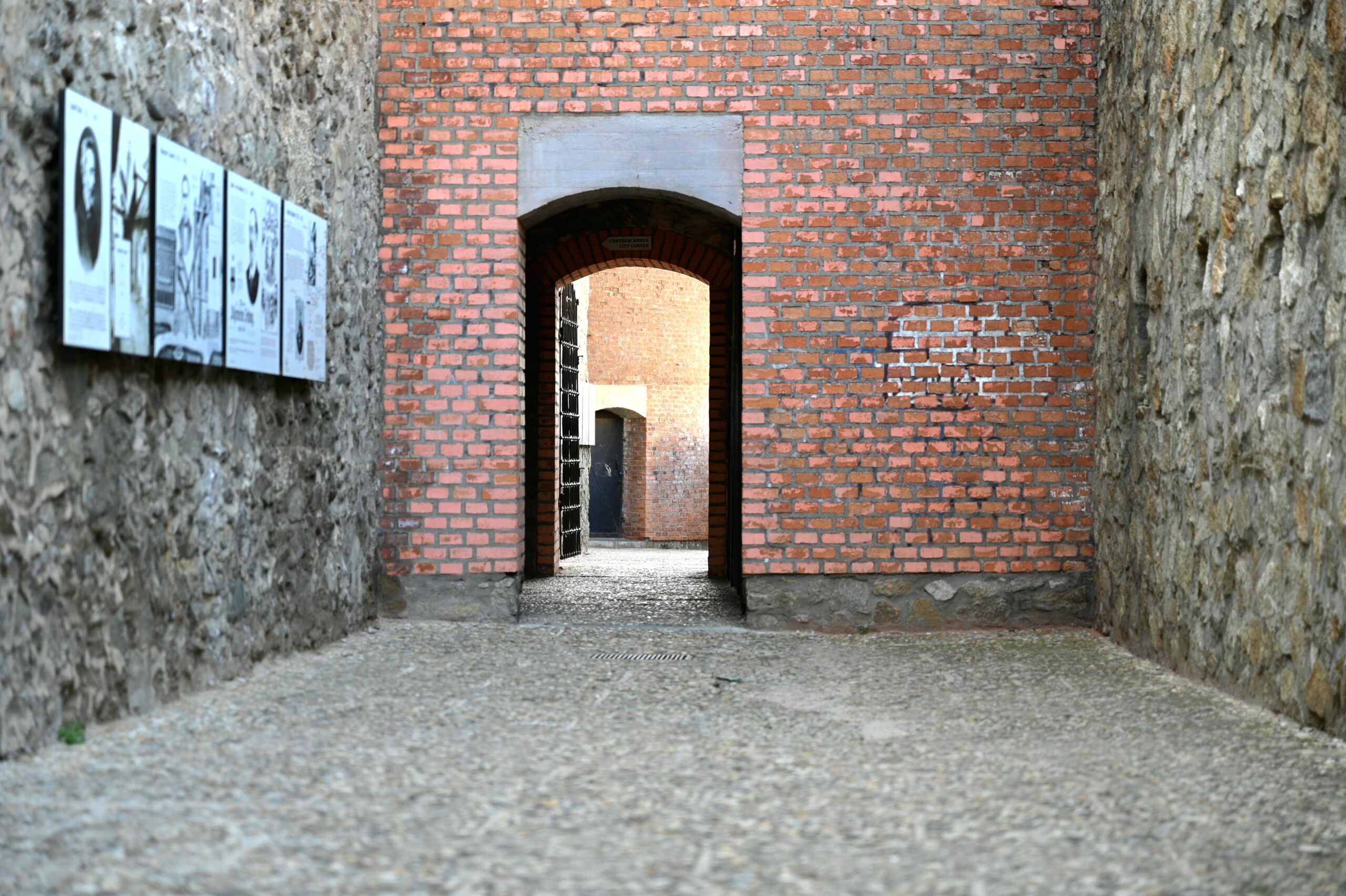
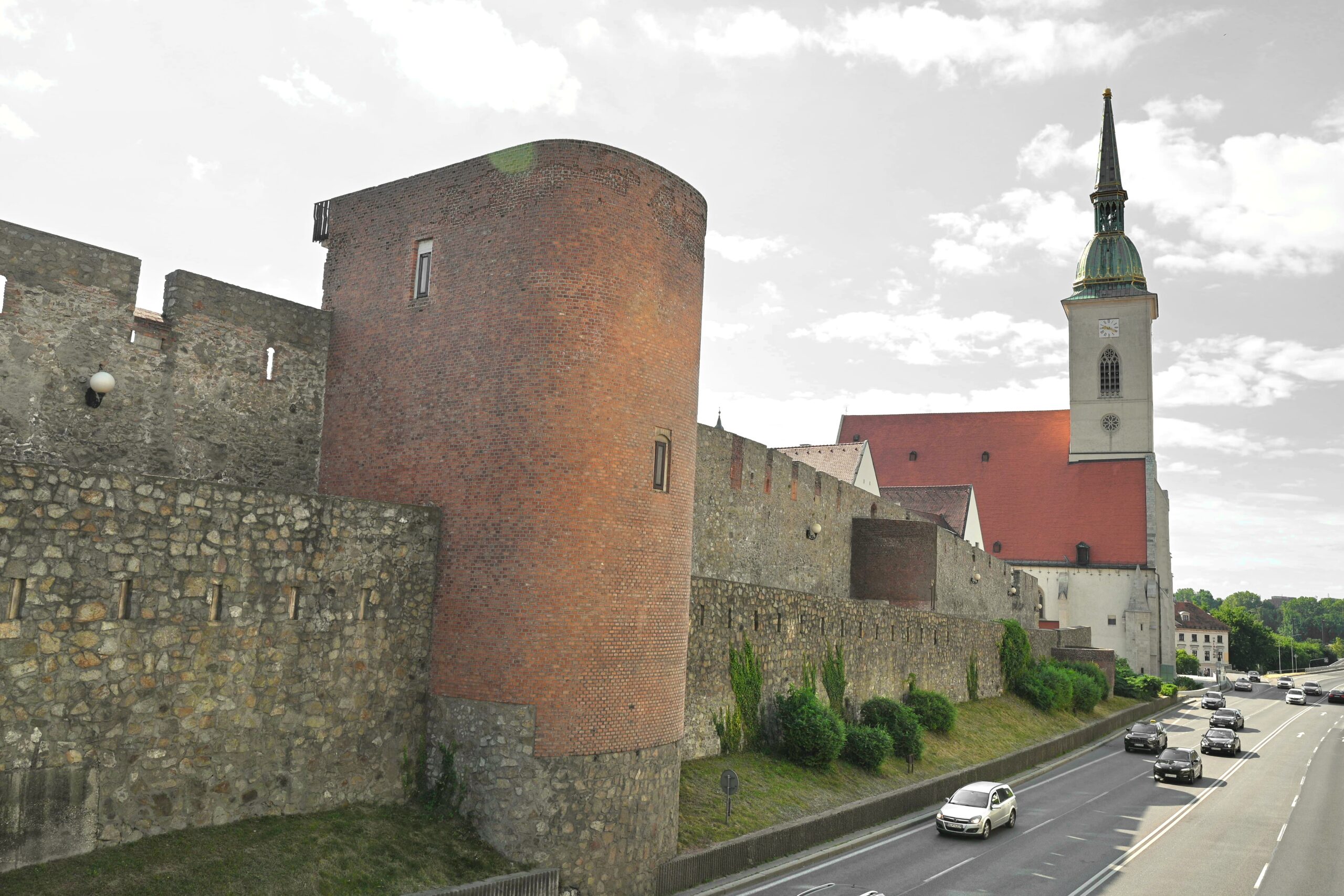
In the 13th century, as Bratislava grew and received its status as a royal city in 1291, it needed to be protected by walls, bastions, and ditches. These fortifications were significantly reinforced in the 16th century to counter the Ottoman incursions into Hungary.
Access to the inner city was initially possible through three gates, later expanded to four, each with a watchtower. These included Michael’s Gate (North), Laurinc Gate (East), Vydrica Gate (West), and Fishermen’s Gate (South).
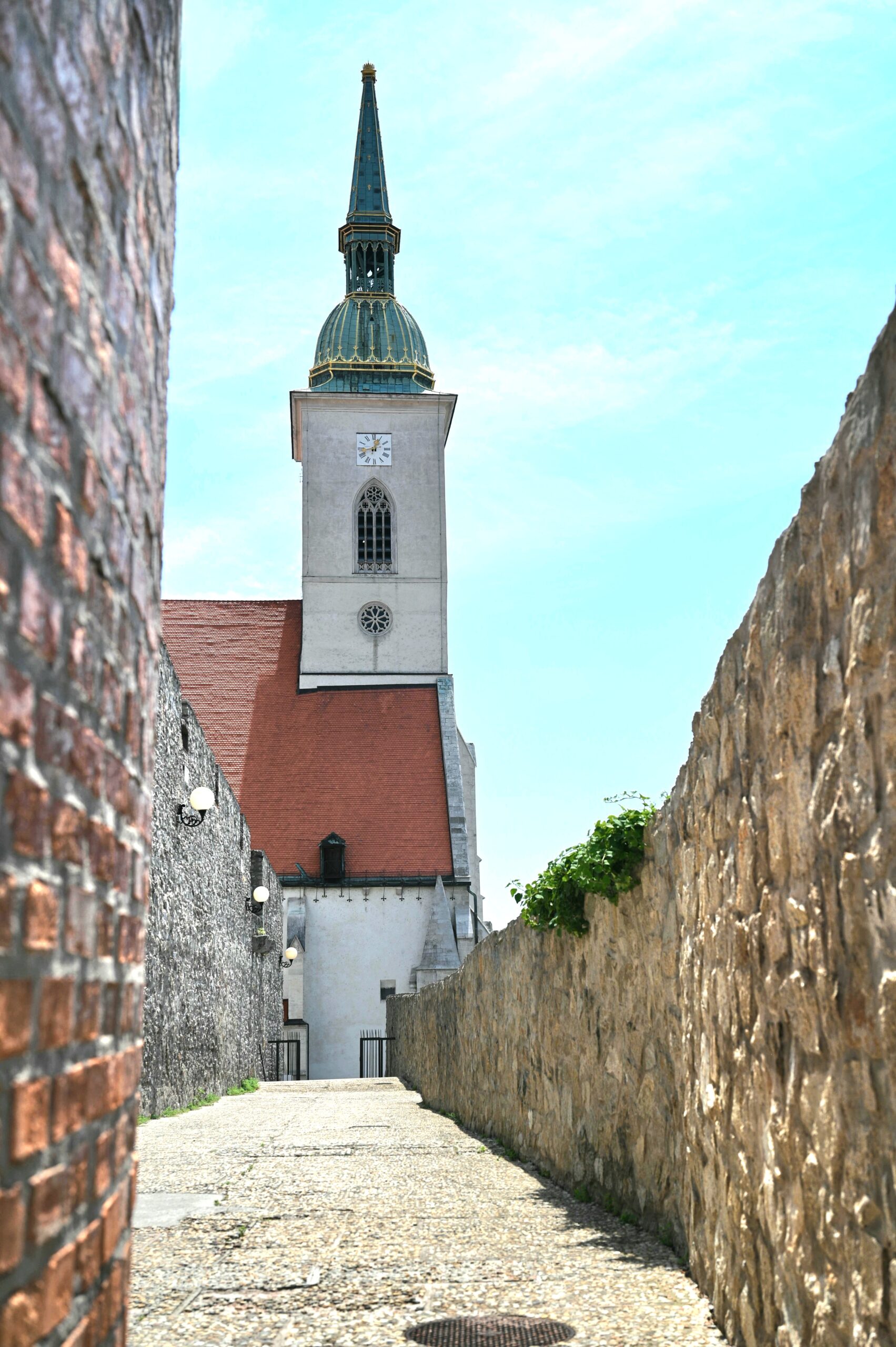
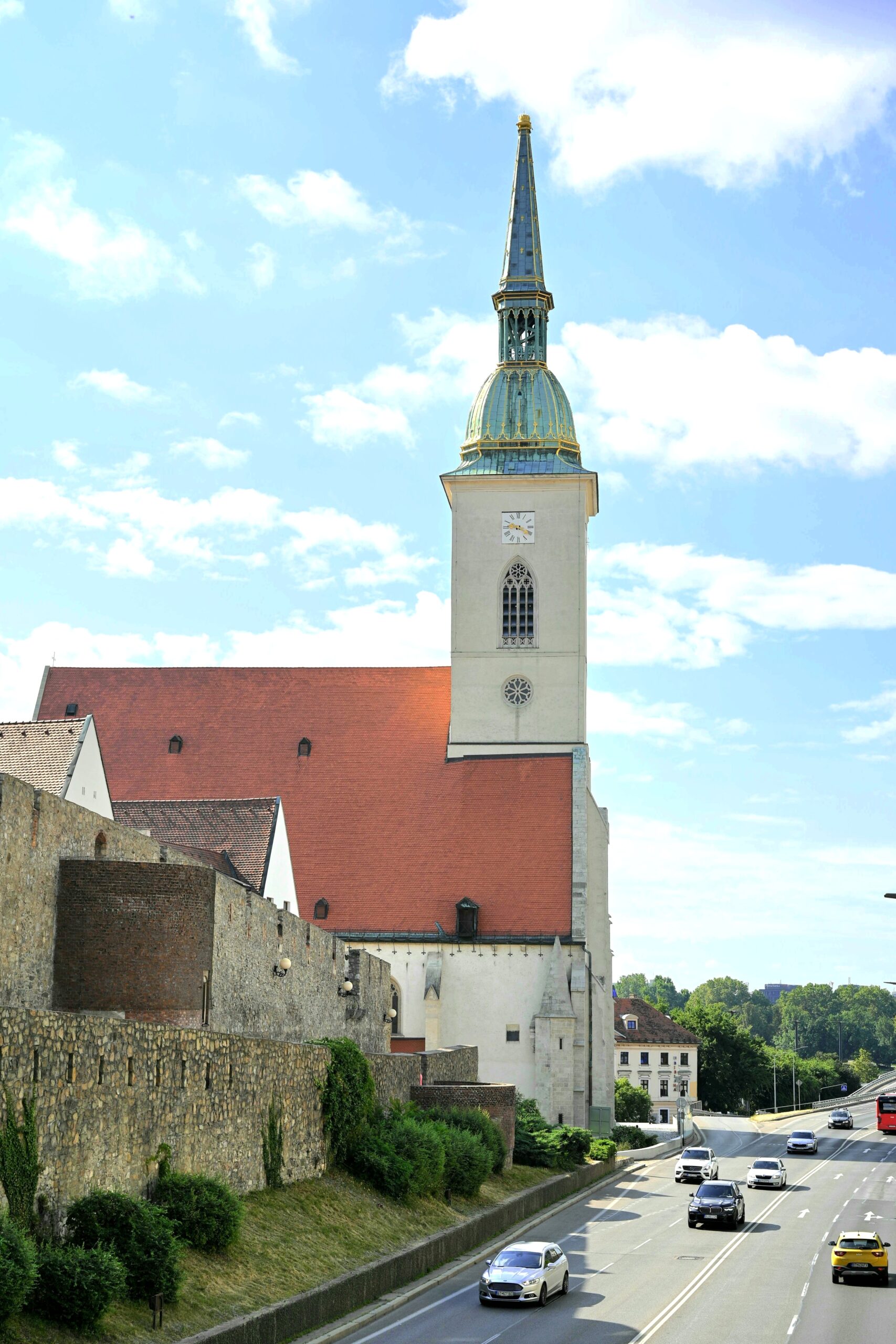
With the city’s expansion and the diminishing Ottoman threat, Empress Maria Theresa ordered the demolition of most of the fortification system in 1775. Today, only the western section of the City Wall and Michael’s Gate remain as reminders of Bratislava’s medieval past.
Tips
Nearby restaurants
If you exit the City Walls via the footbridge to Zidovska Street, you can enjoy Jasmin, a charming Chinese restaurant open daily. Alternatively, head into the Old Town, where you’ll find a variety of dining options near Kapitulska Street. These include Smak, a vegan sushi place; Gatto Matto, an Italian restaurant; and pubs such as Cierny Pes and Uisce Beatha.
Things to do nearby
Exit the City Walls via a footbridge leading to Zidovska Street, where you can visit the Museum of Jewish Culture before climbing uphill to Bratislava Castle. On your way up, you’ll pass the small Orthodox Temple of St. Nicholas. On your way back, stop by Multium, a gallery that delights visitors with its mirror-based optical illusions. If you haven’t already, explore St. Martin’s Cathedral, a Gothic royal coronation church, and take a stroll along the cobblestone-paved Kapitulska Street. Traditionally home to various Roman Catholic institutions, Kapitulska Street has preserved its historic charm to this day. From there, you’ll find yourself just steps away from the city’s only preserved medieval gate, guarded by Michael’s Tower.
Perched on a hill where people have dwelled since the Stone Age and where the Celts minted their well-known Biatec coins, Bratislava Castle stands tall as the most impressive landmark in the city. For centuries, it was overseeing the intersection of Europe’s major trade routes – the Danube River and the Amber Road. Today, it exhibits a historical museum and a baroque garden. The castle walls and the castle park remain accessible at all times, offering one of the finest views of the city’s panorama.
For centuries, the St. Martin’s Cathedral was playing a key religious and political role in Central Europe, as the coronation church of kings and queens of the Hungarian Kingdom, including famous Maria Theresa. The construction of this beautiful Gothic building was initiated in 1311 A.D. and finalized two centuries later. The 85-meter-high tower houses houses six bells, including a 2.5-ton Wederin, dating back to 1674, as well as a 150-kilogram golden-plated model of the Hungarian royal crown.
Michael’s Gate is the only preserved gate from the medieval fortifications of Bratislava. It was built in the 13th century and served as a part of the city’s fortifications. The tower offers stunning views of the Old Town and is one of the most recognizable landmarks in Bratislava. Don’t miss out on the opportunity to snap a photo with this iconic gate! Besides the tower, be sure to visit the Red Crayfish, a small Museum of Pharmacy located within the Gate’s barbican.
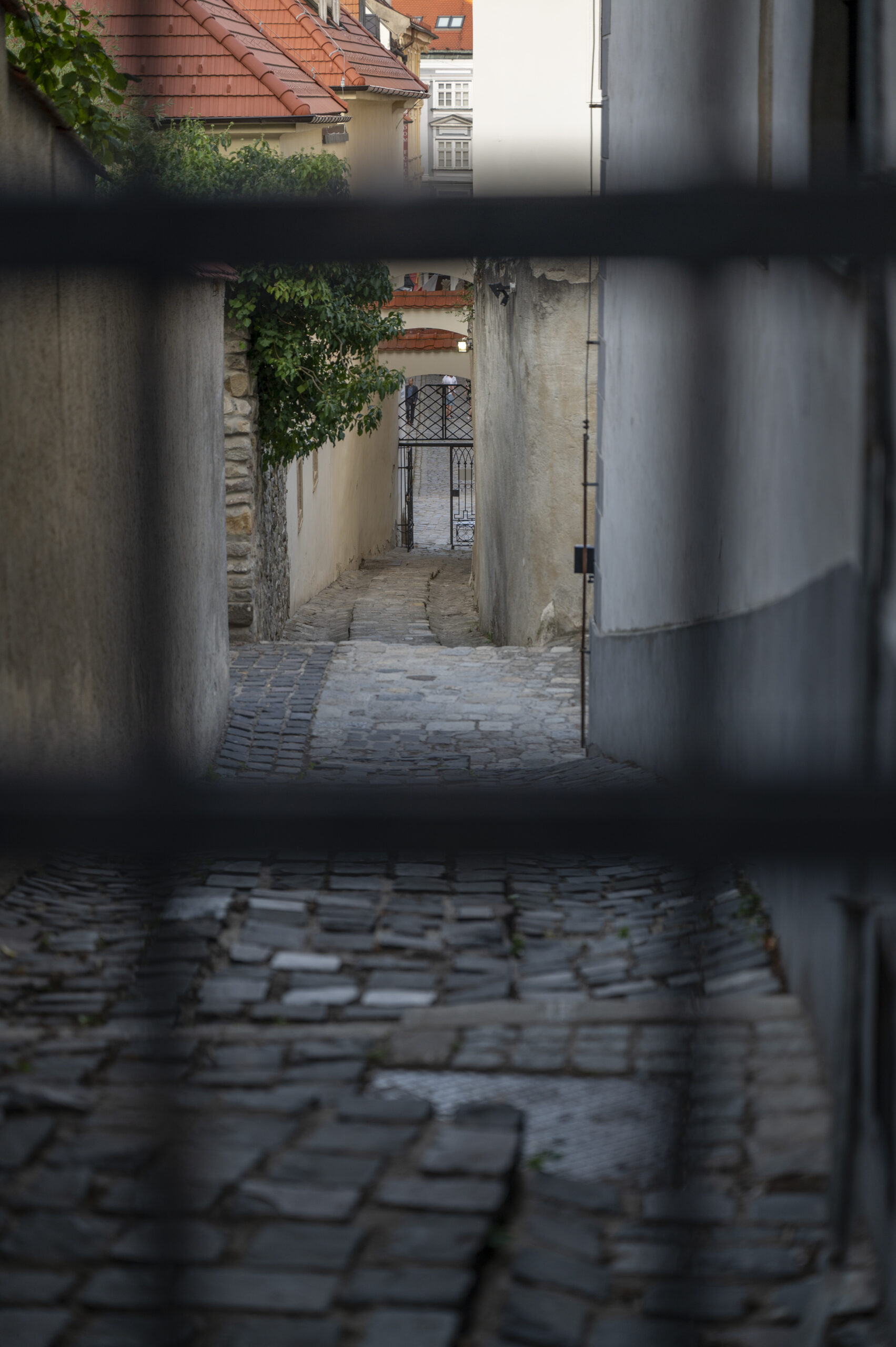
Kapitulska Street is one of the oldest streets, predating the establishment of the city in the 13th century. It has long been home to Roman Catholic institutions, including the Faculty of Theology and Seminary, the Bishops’ Conference of Slovakia, a parish office, Premonstratensian nuns, a youth center, and Catholic radio and newspapers. This picturesque cobblestone-paved street, with its passages leading to the City Walls, remains one of the quietest and most romantic spots in the Old Town.
One of Europe’s oldest pharmacies, Salvator was established by the Jesuit College after their arrival in Bratislava in the first half of the 17th century and was formally founded by Archbishop Georgius Lippay around 1658. Originally located in a building opposite the northern entrance to the Cathedral on Kapitulska Street, the pharmacy moved in the 1830s to the Csaky Palace, south of the Cathedral on Panska Street, and eventually, in 1904, to a neighboring building where it still operates today. Visitors can admire the original Baroque furniture from the 1720s and a grand marble table dating back to the first half of the 17th century.
Immerse in an illusion of infinity achieved through six mirror installations that will leave you with an unforgettable experience! The author of the space and mirror gallery Multium, inspired by similar exhibitions in cities such as New York and Tokyo, placed multiple mirrors against each other to incite specific emotional responses. Each room features a unique combination of art and optical effects. Physical objects, colors and lights interplay in a visual symphony. Find yourself in an alternative space outside your day-to-day existence!
The Museum of the Jewish Culture guides you through the history of Jews in this region since the Middle Ages. The artifacts demonstrate the community’s daily life, holidays, and key personalities, as well as the interior design of a synagogue. It also features a commemorative exhibition dedicated to 70,000 victims of the Holocaust from Slovakia. The museum, a specialized body under the Slovak National Museum, is located in a 17th century late-Renaissance mansion built in the Jewish quarter, an area between the inner city and the castle.