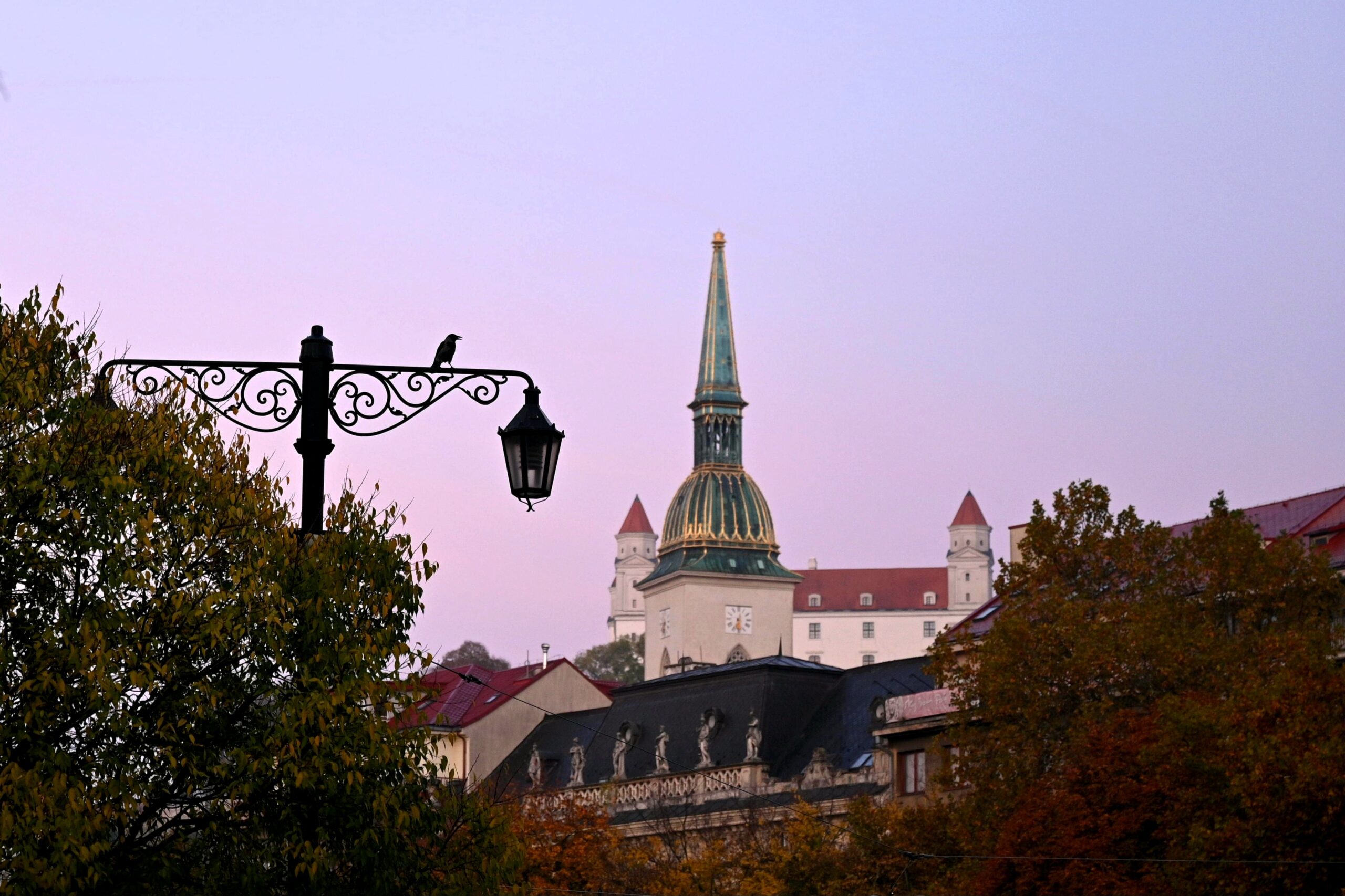

St. Martin’s Cathedral
Gothic Coronation Temple
About
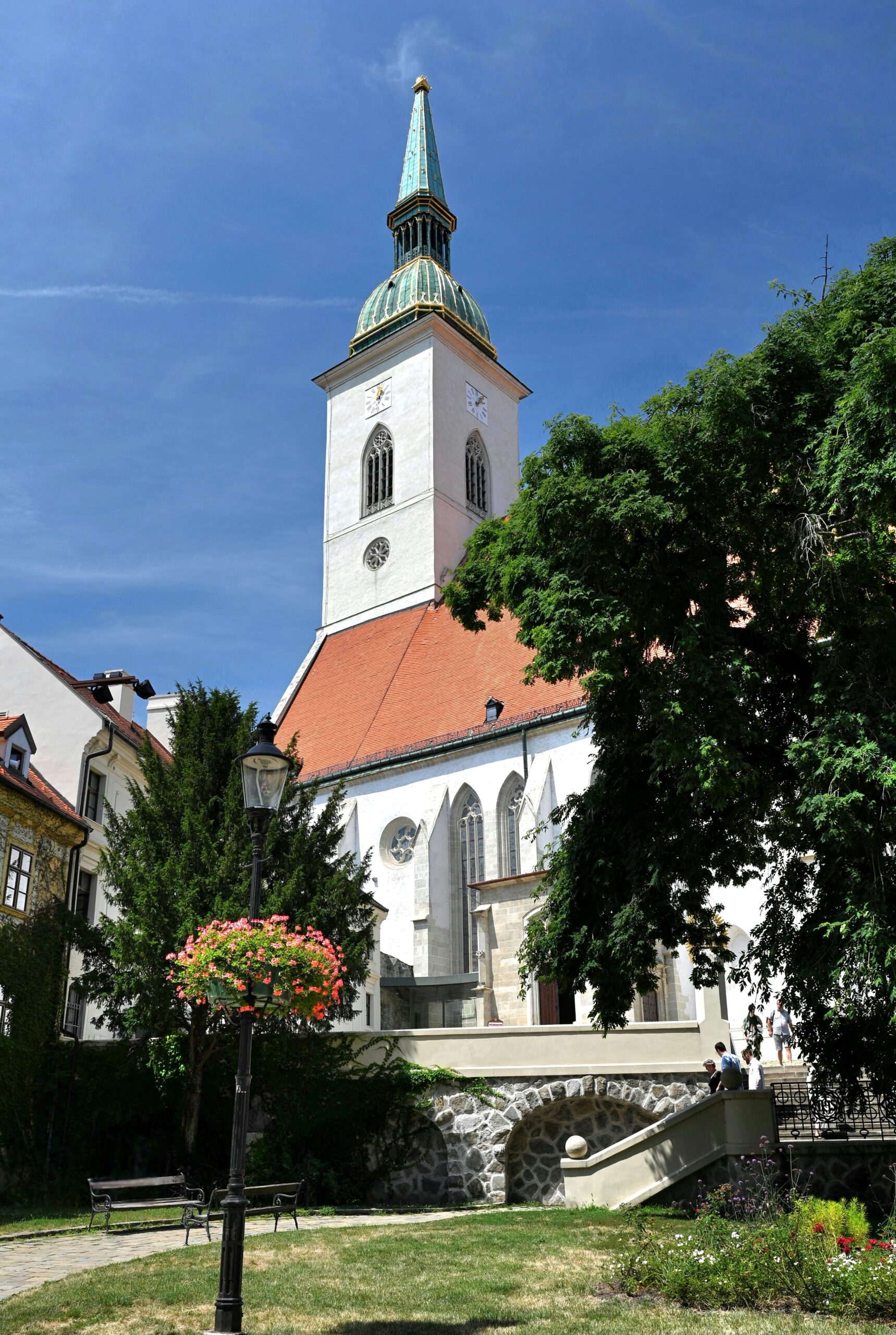
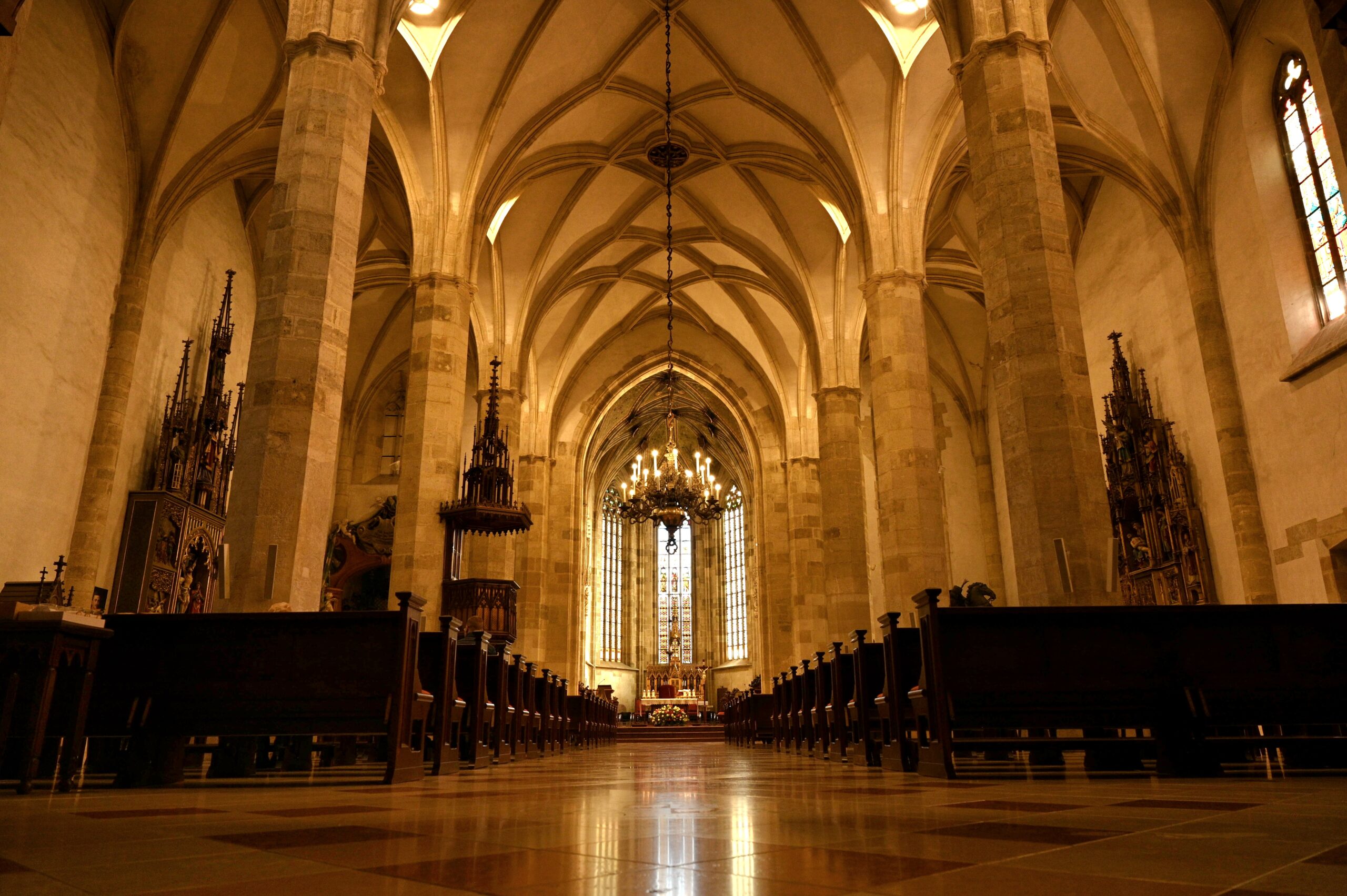
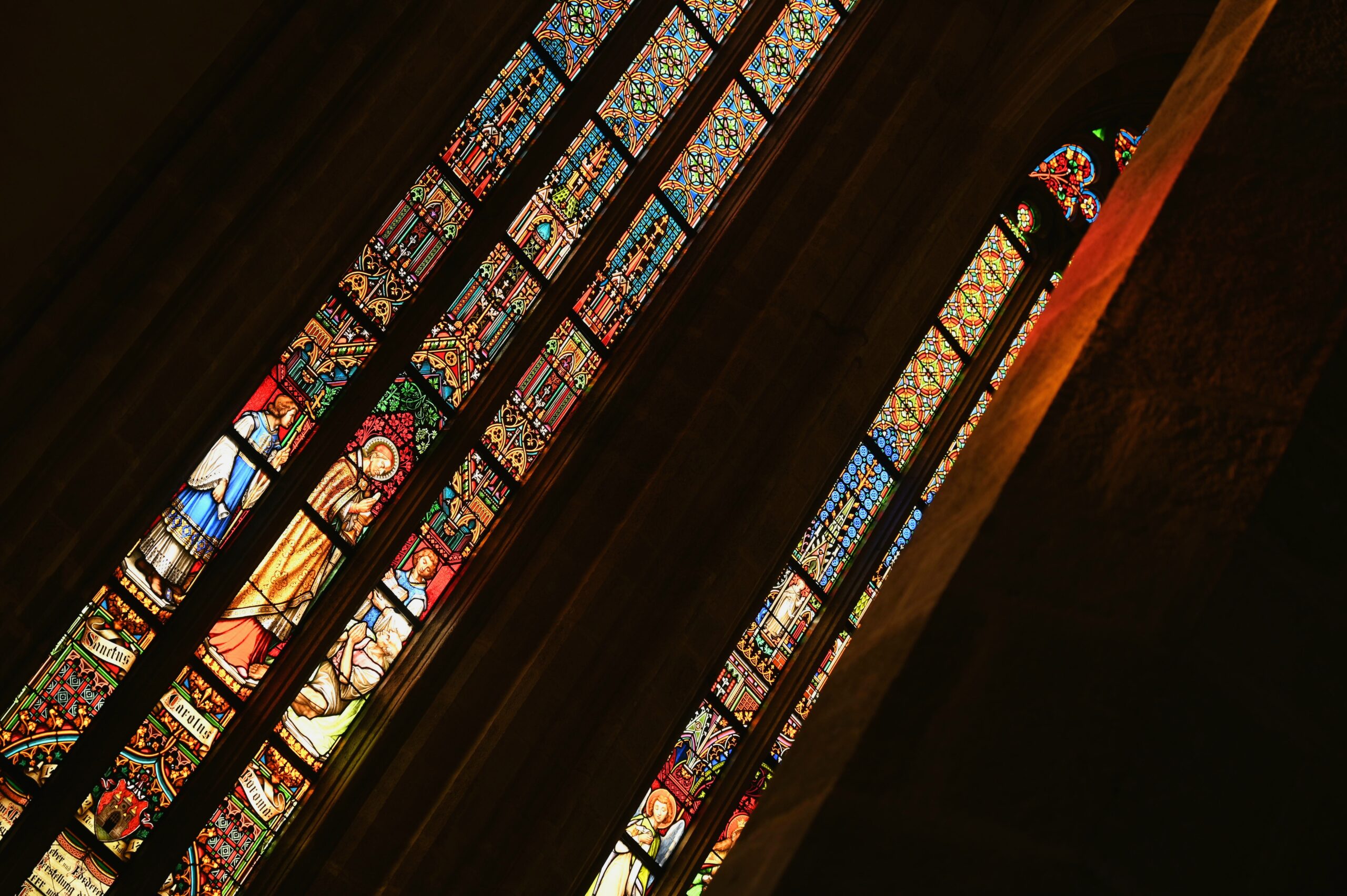
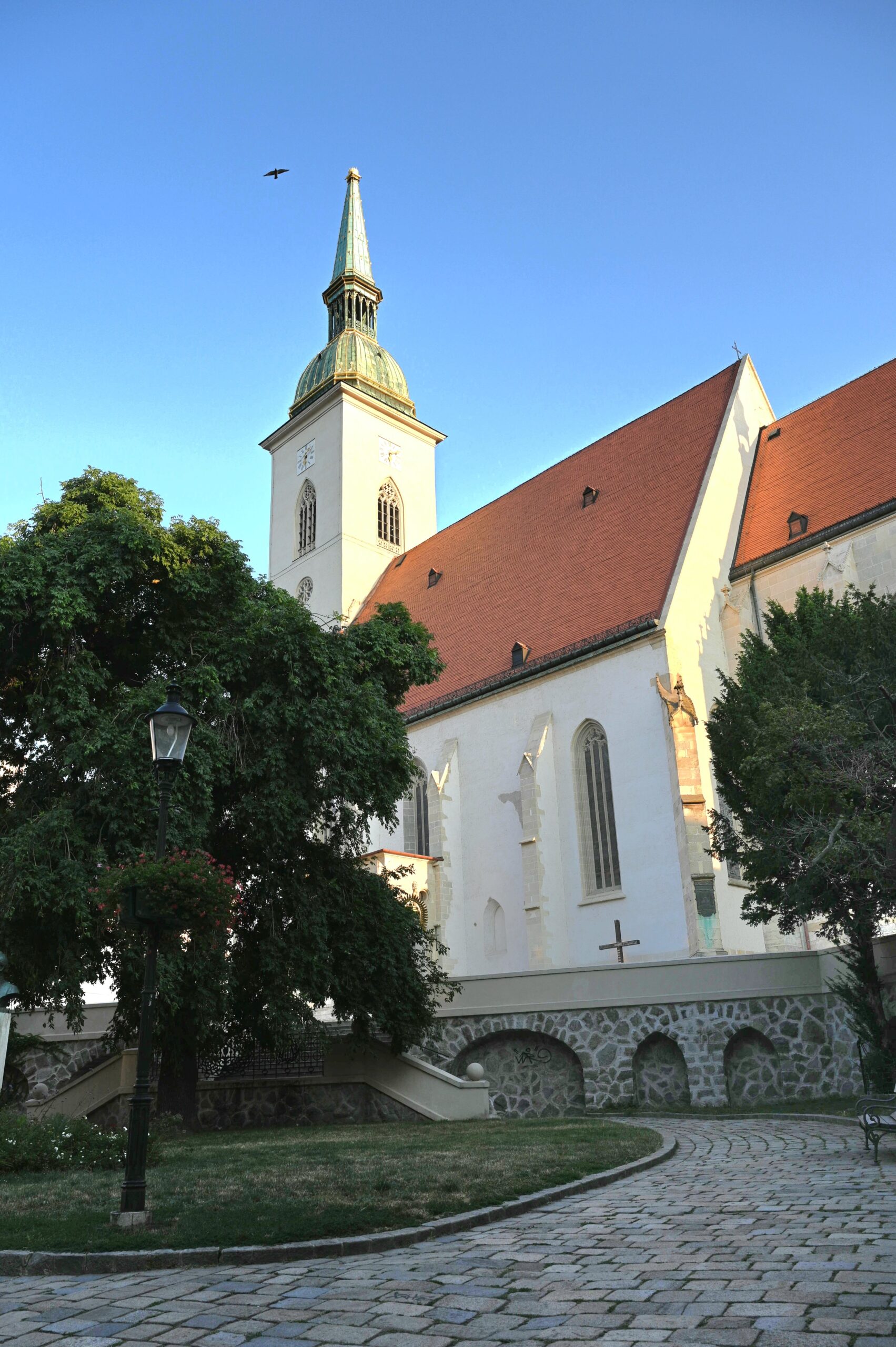
This stunning Gothic cathedral was built on the site of an earlier Romanesque church, which itself replaced an even older Christian rotunda dating back to the 11th century. The nave features three aisles divided by eight columns, four on each side. Although the original plan for a basilica with a central nave higher than the side aisles was abandoned, the St. Martin’s Cathedral boasts a magnificent late Gothic ceiling of uniform height.
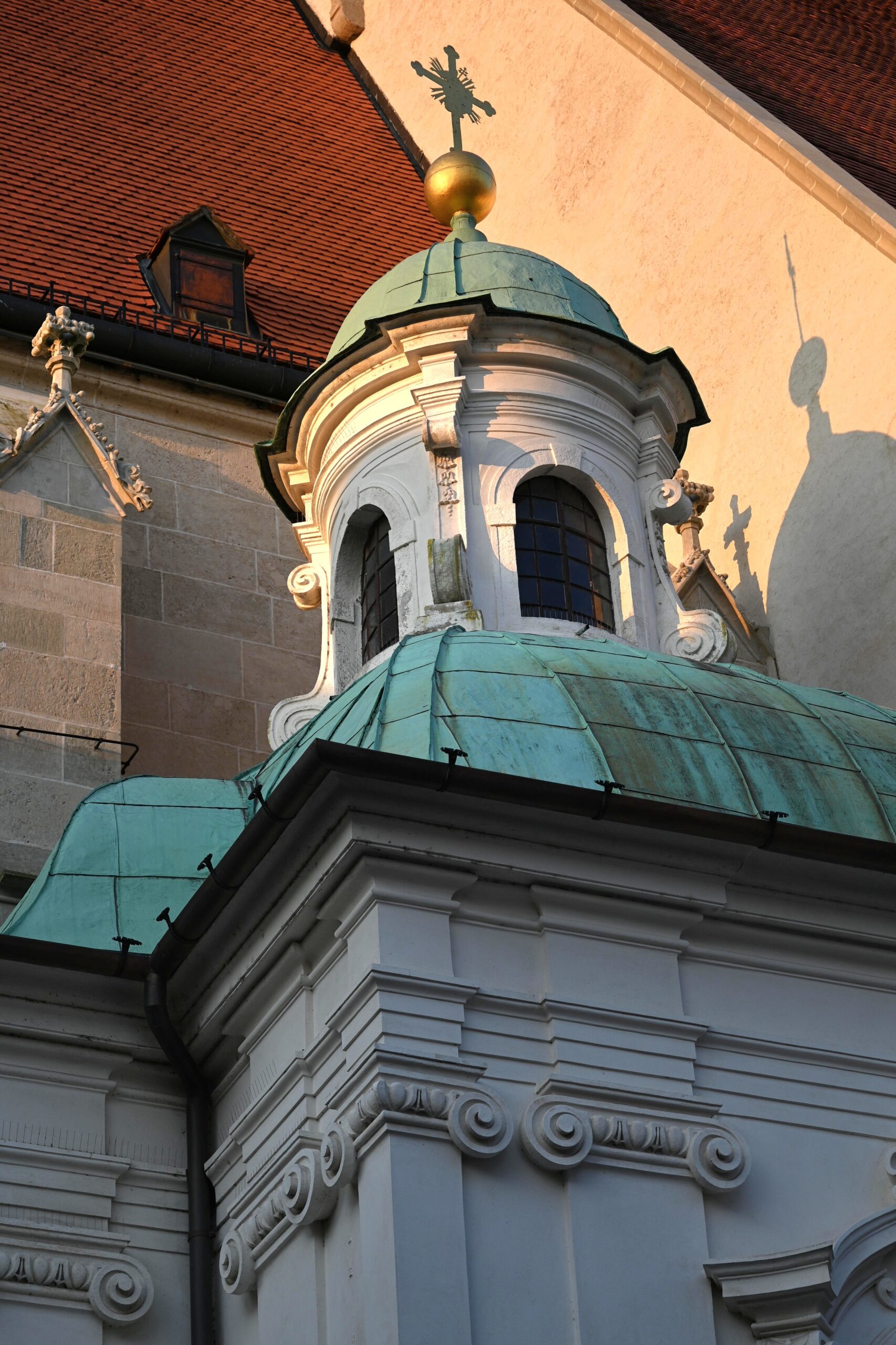
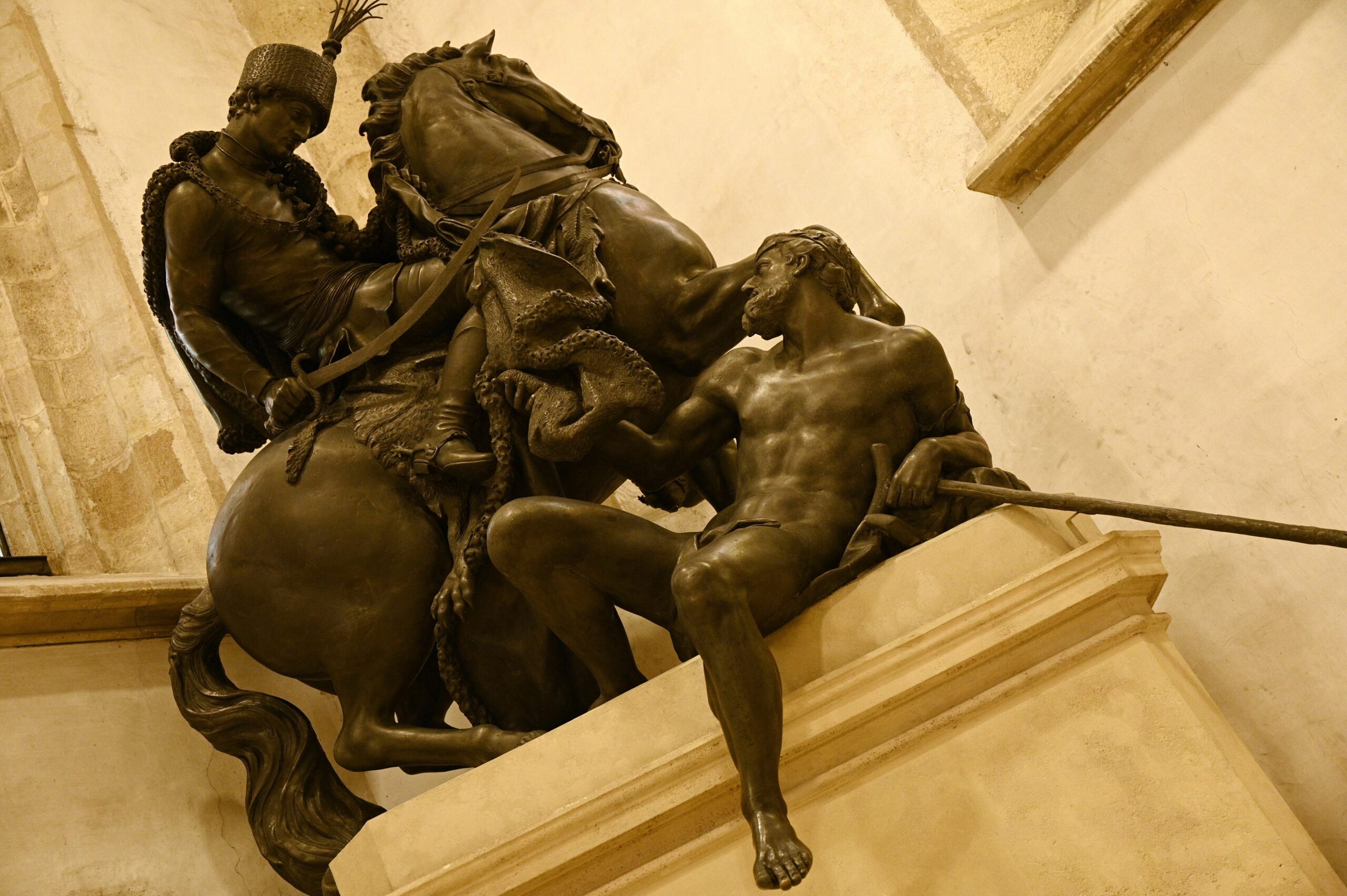
The church was consecrated in 1452, with the presbytery completed in 1487 and the Chapel of St. Anna added in 1551. Construction spanned nearly 250 years, beginning in the early 13th century. In the 18th century, the church underwent Baroque refurbishment and was extended with the Chapel of St. John the Merciful (or Almoner), designed by sculptor Georg Rafael Donner and architect Joseph Emanuel Fischer von Erlach. Finally, in the 19th century, the interior was restored to its original Gothic style.
Dedicated to St. Martin of Tours (and to the Holy Savior until the 17th century), the cathedral played a vital role during the Ottoman conquest of Europe, serving as the coronation church of the Hungarian Kingdom. Over nearly 300 years, 19 coronations took place here, including 10 kings, one reigning queen (Maria Theresa), and eight queen consorts. The first coronation, in 1563, was of the Holy Roman Emperor Maximilian II, while the last, in 1830, was of Emperor Ferdinand I of Austria.
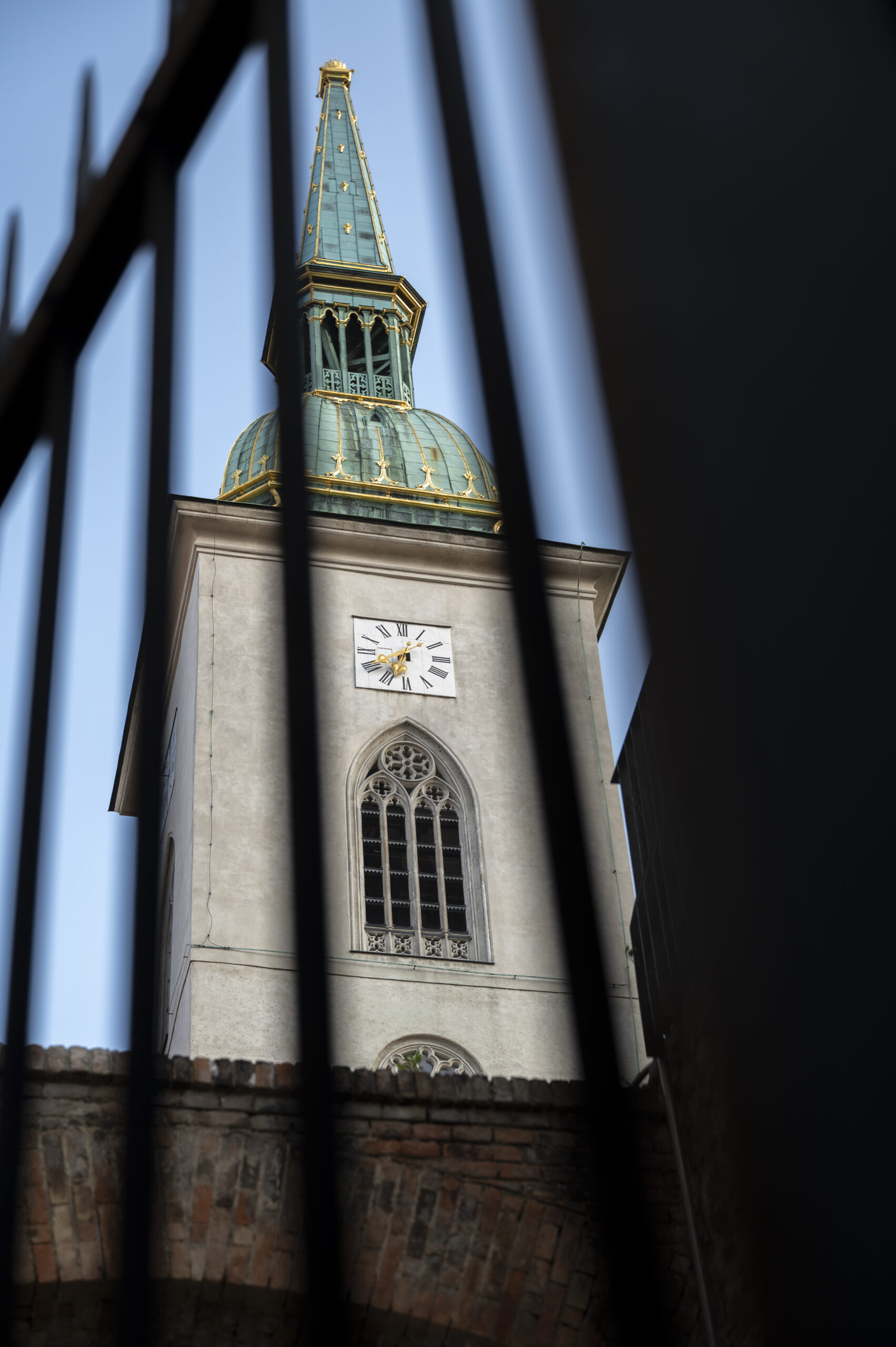
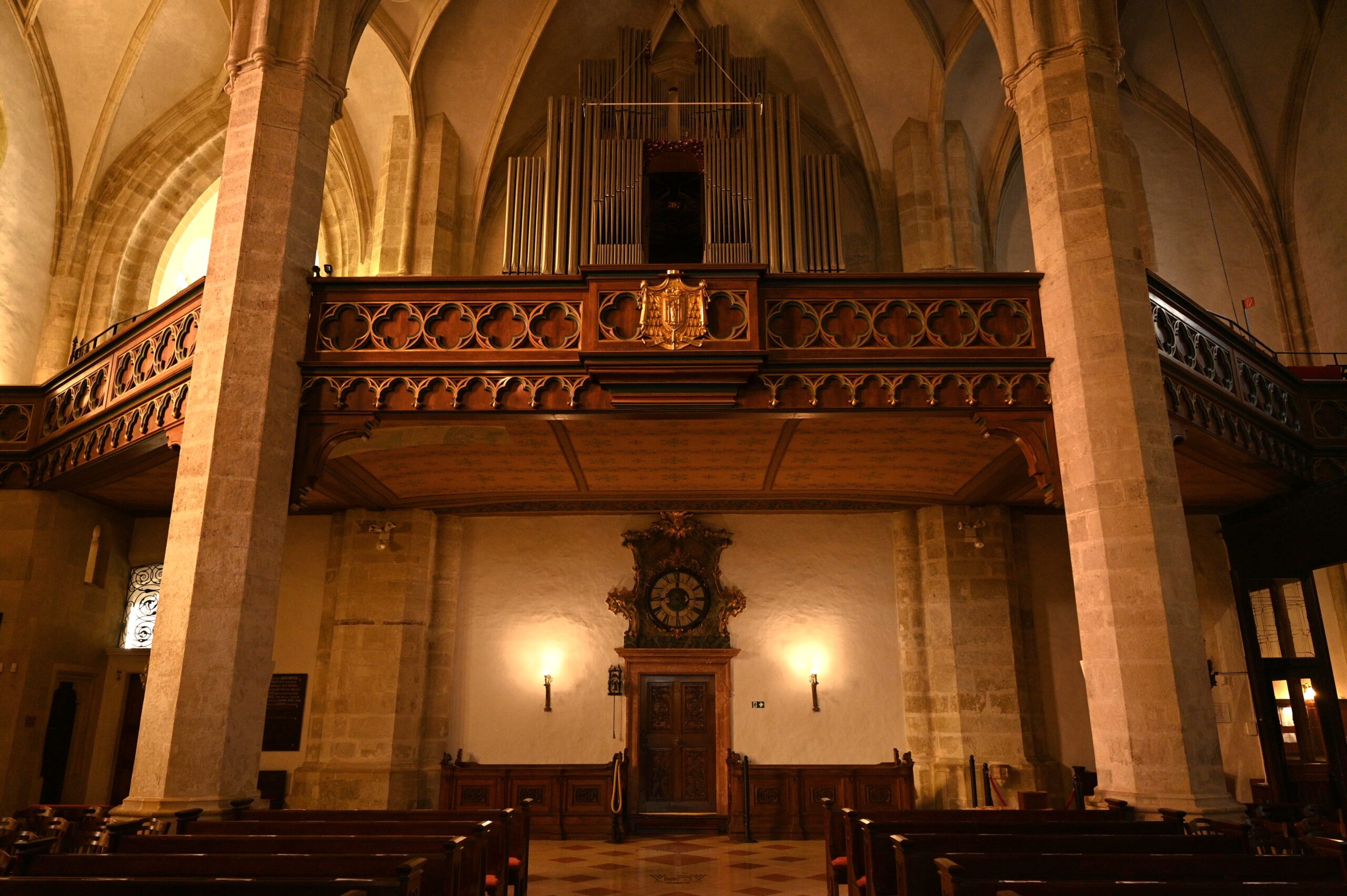
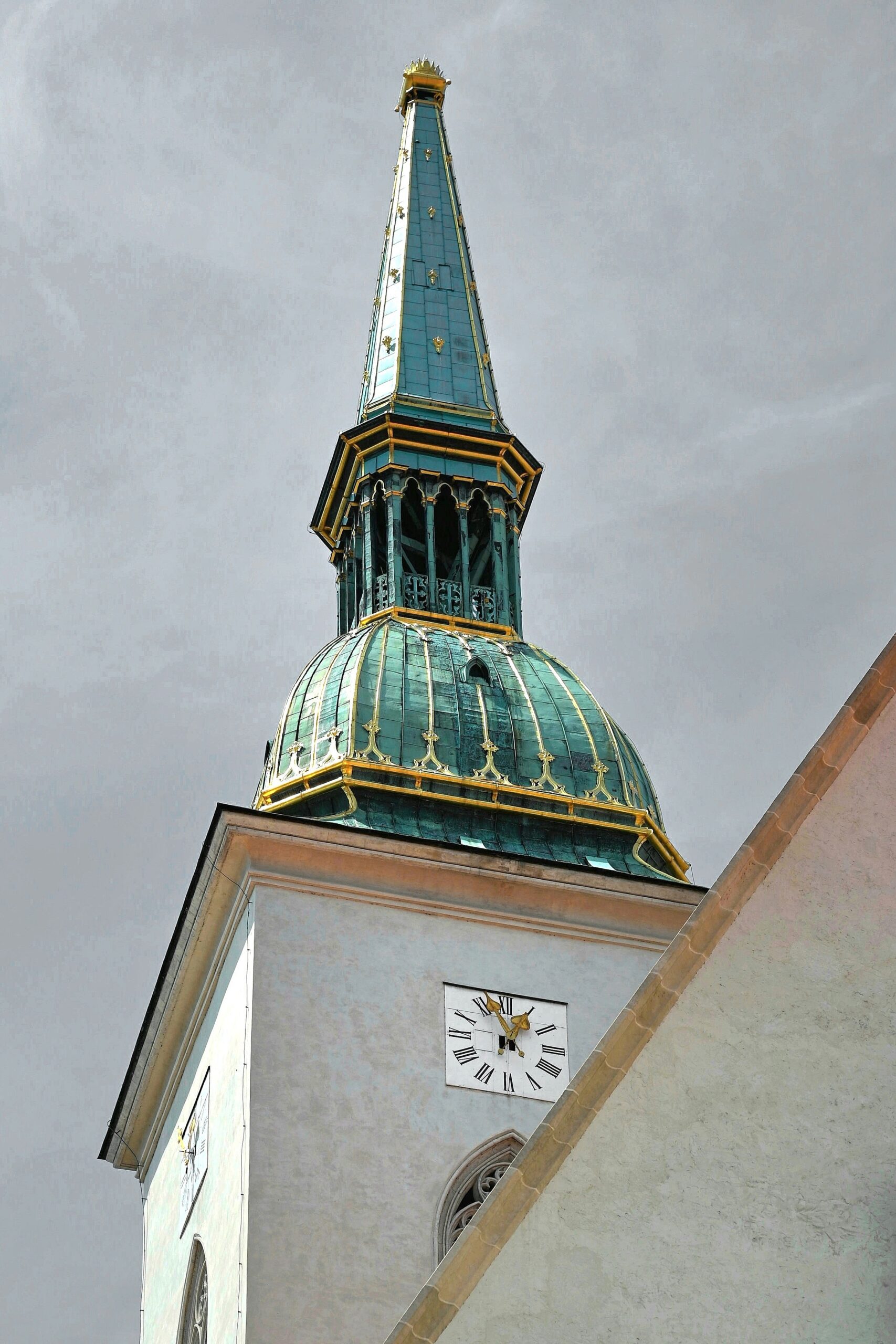
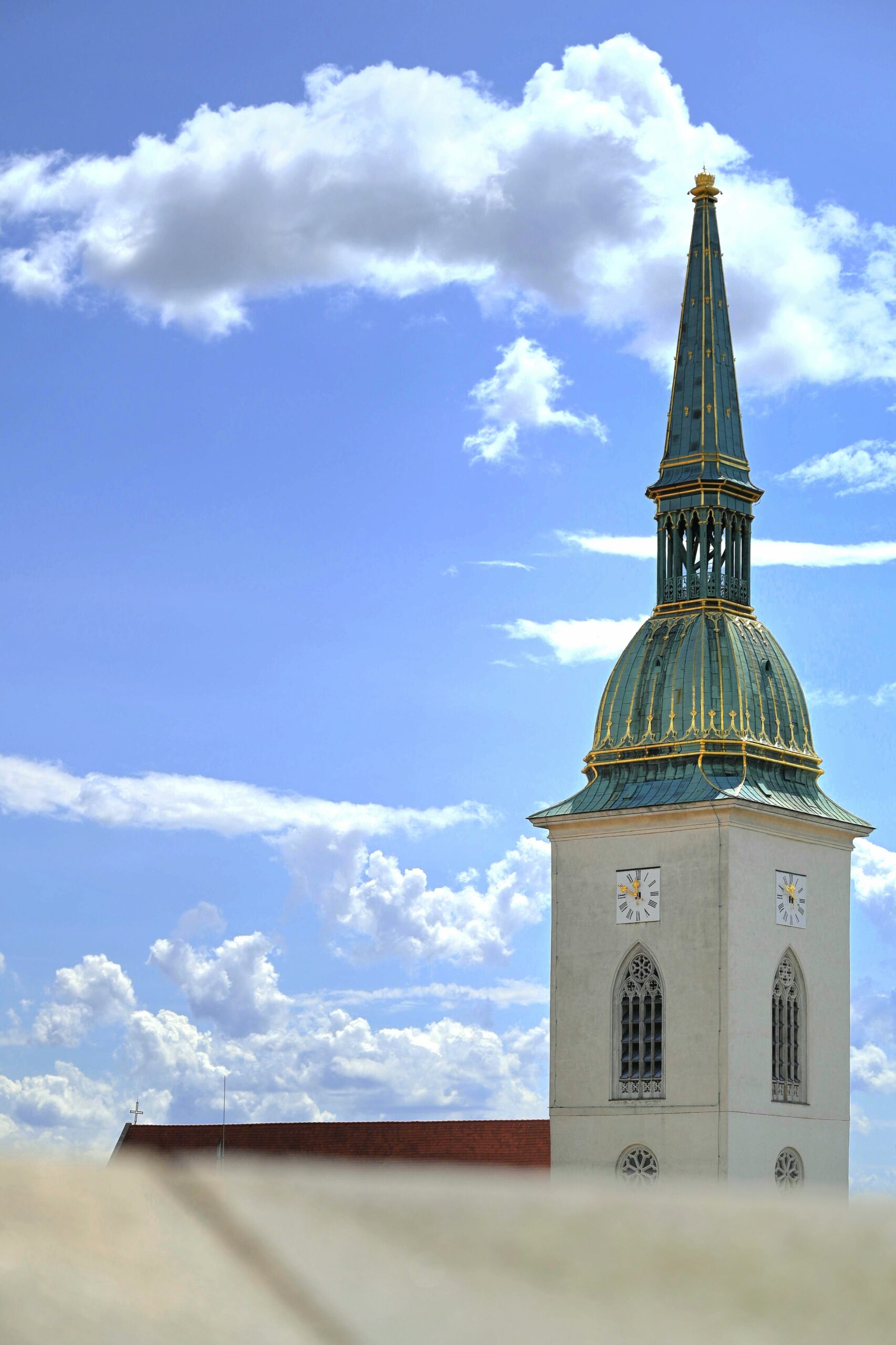
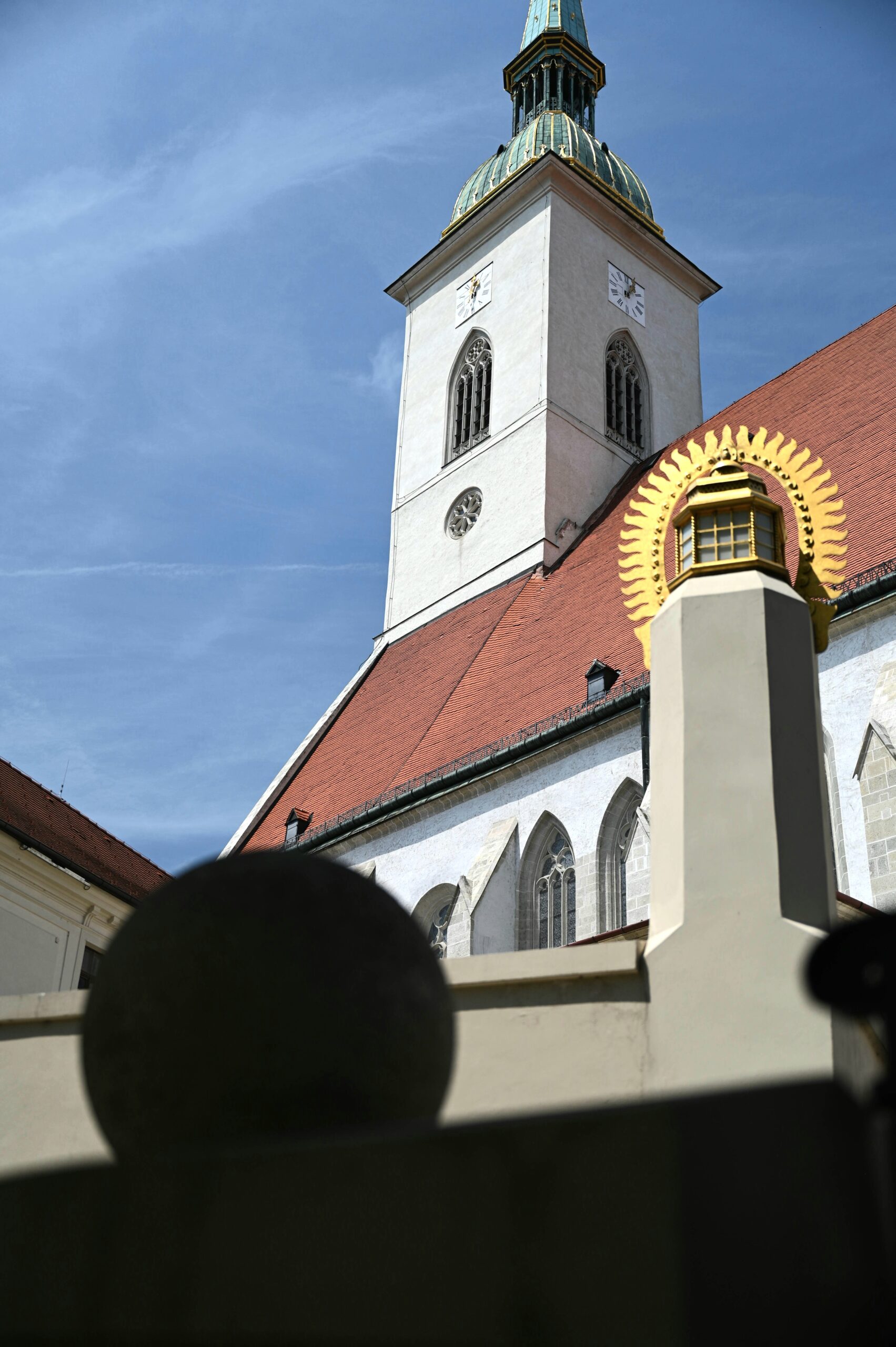
The church’s 85-meter-high tower, once part of the city’s fortifications, bears a 150-kilogram gold-plated model of the Royal Crown to commemorate its coronation period. The tower also houses six bells, including the 2.5-ton Wederin, cast in 1674. The cathedral is equipped with two organs: the main organ, built by the German company Gerald Woehl in 2010, and the choir organ, crafted by local organ maker Karl Klöckner in 1867.
Today, the cathedral serves as the metropolitan church of the Roman Catholic Archdiocese of Bratislava and the Western Province of Slovakia. Daily Masses are conducted in Slovak, with a Latin Mass offered on Sunday mornings. The archbishop presides over services on significant Catholic feast days.
Logistics
- Dóm sv. Martina, Bratislava
-
Monday – Friday
09.00 AM – 11.30 AM
01.00 PM – 06.00 PM
Saturday
09.00 AM – 11.30 AM
Sunday
01.45 PM – 04.30 PM -
Nave: Free of charge | Treasury: 4.20 €
Reduced prices available for students. Children and people with serious disabilities may enter free of charge. - Mass Times
- dom.fara.sk
Tips
Translator
Domus Dei
Nearby restaurants
The Old Town offers endless dining options, including two Gatto Matto restaurants and the Mediterranean-inspired San Marten. Nearby, Panská and Laurinská Streets, along with Hviezdoslav Square, feature a variety of bars, cafés, and restaurants. Among them is the beautifully designed Zylinder, which evokes the elegance of Emperor Franz Joseph’s era. For an upscale dining experience with stunning views of the cathedral and the Old Town, consider visiting the Sky Bar & Restaurant.
Things to do nearby
If you haven’t already, be sure to visit the City Walls, which protected Bratislava from invaders for centuries, and stroll along the cobblestone-paved Kapitulská Street. Traditionally home to several Roman Catholic institutions, Kapitulská Street retains its historic charm to this day. To the south, visit the historic Salvator Pharmacy. Even if you don’t need medication, the fantastic staff will gladly show you the original furniture and share the long history of the place. Explore the beautiful Hviezdoslav Square, stretching from Rybne Square with its Plague Column to the Ganymede Fountain in front of the historic Slovak National Theatre building.
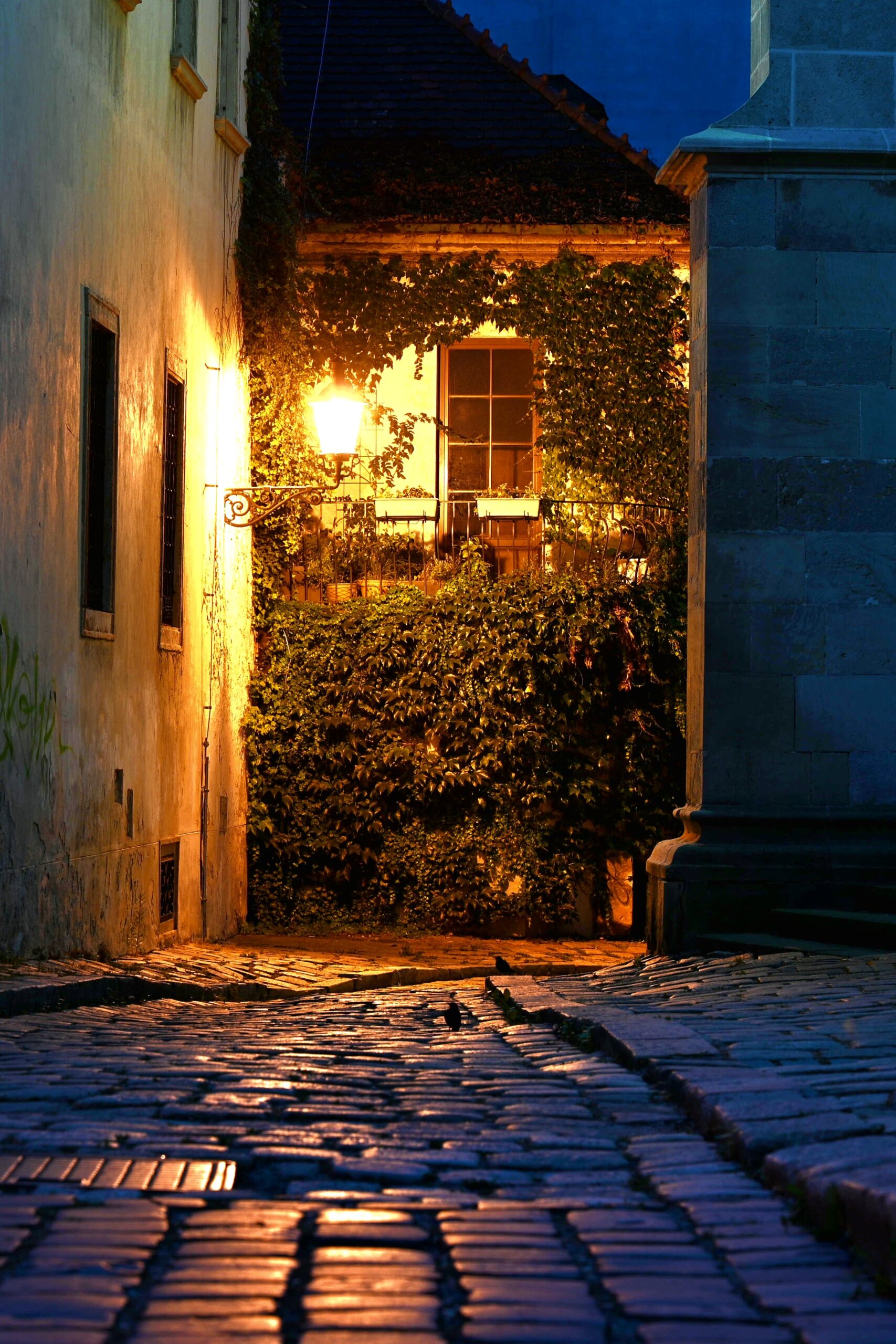
Kapitulská Street is one of the oldest streets, predating the establishment of the city in the 13th century. It has long been home to Roman Catholic institutions, including the Faculty of Theology and Seminary, the Bishops’ Conference of Slovakia, a parish office, Premonstratensian nuns, a youth center, and Catholic radio and newspapers. This picturesque cobblestone-paved street, with its passages leading to the City Walls, remains one of the quietest and most romantic spots in the Old Town.
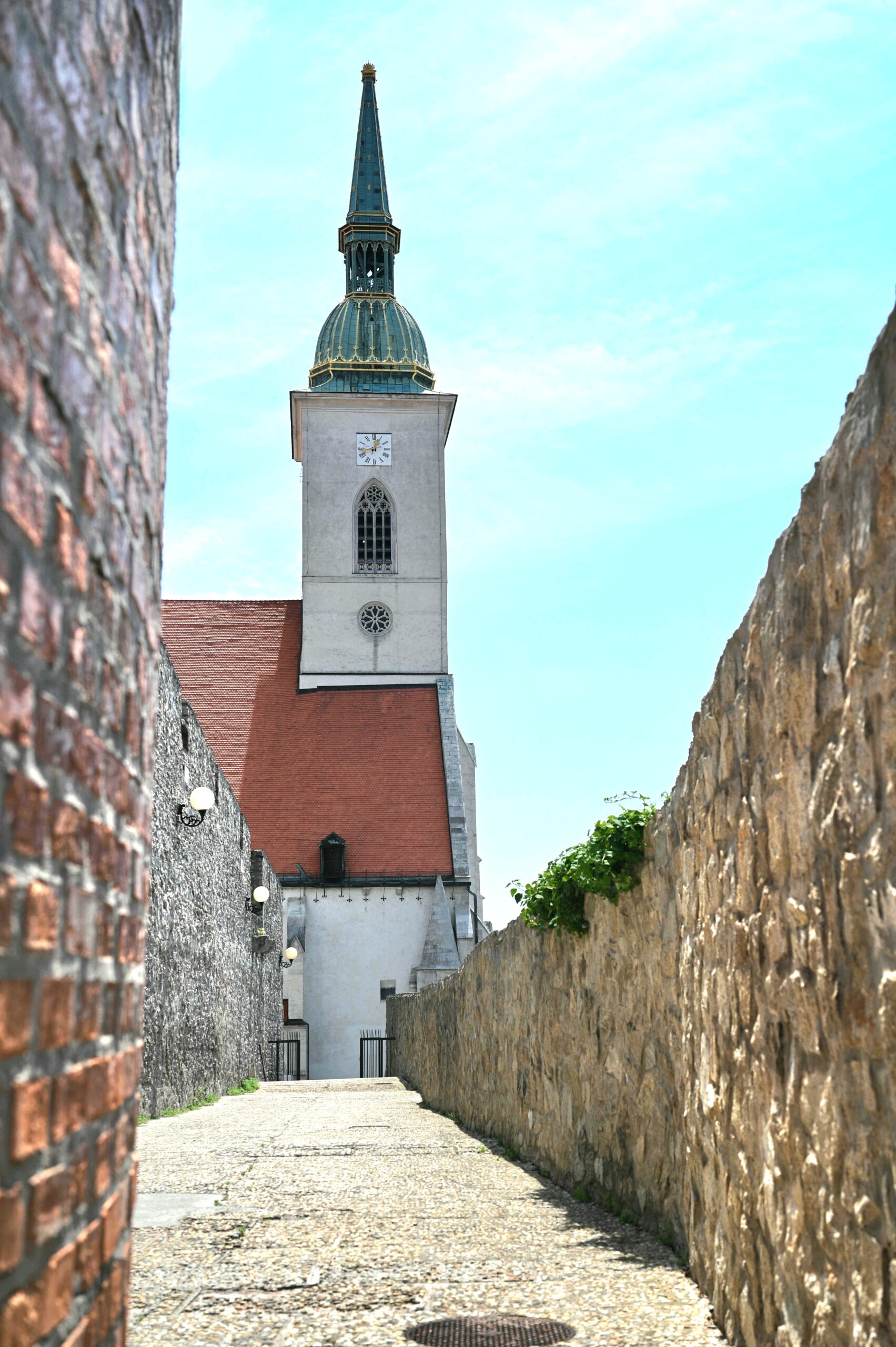
During the Middle Ages, Bratislava’s massive City Walls played an important defensive role. The inner city was only accessible through three main fortified gates, and later a smaller one in the Danube direction. The Michael’s Gate featuring an iconic tower is the only one that survived until today. As the walls’ relevance decreased after the defeat of the Ottoman forces in the 18th century, their large part was destroyed to allow the city’s further expansion. Travel back in time by entering the preserved part of the walls through a bridge connecting it with the Castle Hill, a gate opposite to the St. Martin’s Cathedral, or a passage from Kapitulska Street. The Walls are open every day of the week.
One of Europe’s oldest pharmacies, Salvator was established by the Jesuit College after their arrival in Bratislava in the first half of the 17th century and was formally founded by Archbishop Georgius Lippay around 1658. Originally located in a building opposite the northern entrance to the Cathedral on Kapitulska Street, the pharmacy moved in the 1830s to the Csaky Palace, south of the Cathedral on Panska Street, and eventually, in 1904, to a neighboring building where it still operates today. Visitors can admire the original Baroque furniture from the 1720s and a grand marble table dating back to the first half of the 17th century.
A sprawling promenade shaded by old trees and lined with numerous bars and restaurants, Hviezdoslav Square is one of Bratislava’s must-see attractions. Beautiful palaces on both sides recall the era when this area was home to wealthy nobility. Notable landmarks include the historic building of the Slovak National Theatre building and the Carlton Hotel, which once hosted prominent figures such as Maria Theresa, Jules Verne, Albert Einstein, Alfred Nobel, Franklin D. Roosevelt, Thomas Edison, and Franz Liszt. The square features several fountains, a grand statue of one of Slovakia’s most significant poets, Pavol Orszagh Hviezdoslav, and various smaller statues. It culminates at Rybne Square with its 1713 Plague Column.
Perched on a hill where people have dwelled since the Stone Age and where the Celts minted their well-known Biatec coins, Bratislava Castle stands tall as the most impressive landmark in the city. For centuries, it was overseeing the intersection of Europe’s major trade routes – the Danube River and the Amber Road. Today, it exhibits a historical museum and a baroque garden. The castle walls and the castle park remain accessible at all times, offering one of the finest views of the city’s panorama.