
Salvator Pharmacy
Established 1658 A.D.
About
Bratislava is home to one of Europe’s oldest pharmacies, Salvator. It was established by the Jesuit College after their arrival in Bratislava in the first half of the 17th century and was formally founded by Archbishop Georgius Lippay around 1658. The pharmacy, which also included its own laboratory, was originally located in the building north of St. Martin’s Cathedral on Kapitulska Street, now the seat of the Theology Faculty.
The city and its pharmacists initially opposed the new public pharmacy. At the time, Bratislava was a Protestant city, and the mission of the Catholic order was to promote recatholicization.
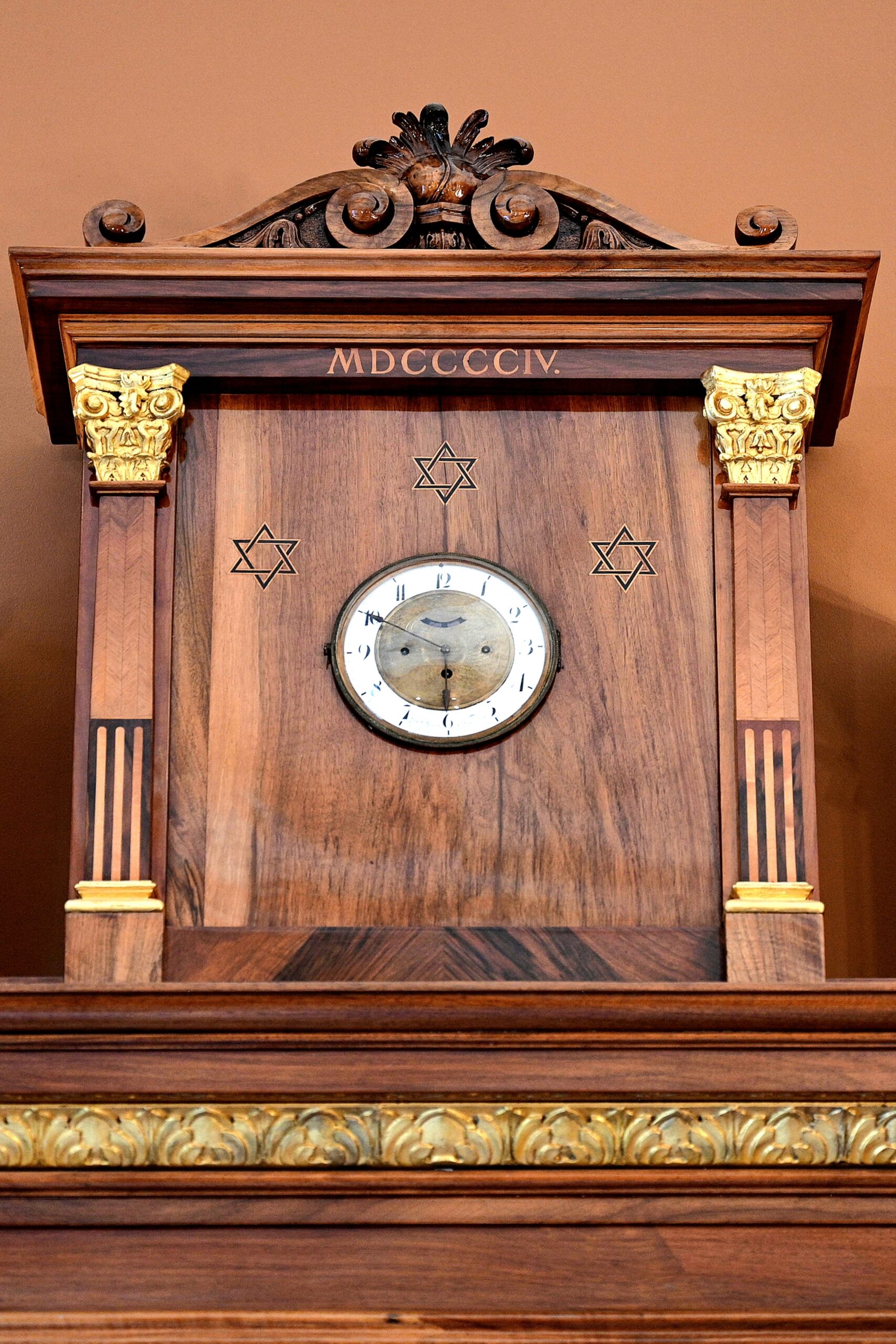
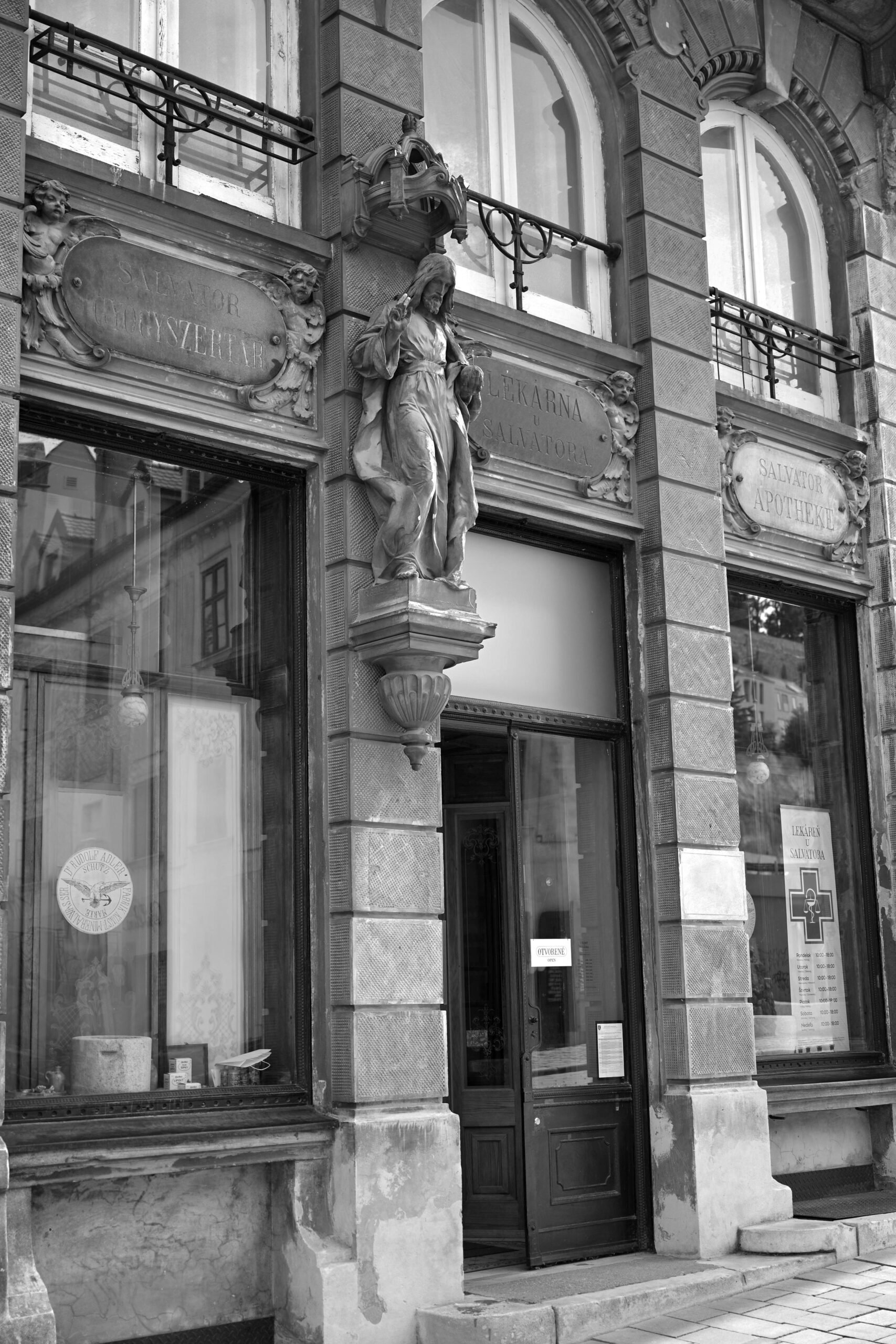
After the Jesuit Order was dissolved by the Pope in 1773, the Salvator Pharmacy was purchased by a private pharmacist and later moved in the 1830s to the nearby Csaky Palace. The company, later owned by Dr. Rudolf Adler, relocated again in 1904 to a newly built house on Panska Street, where it operates today.
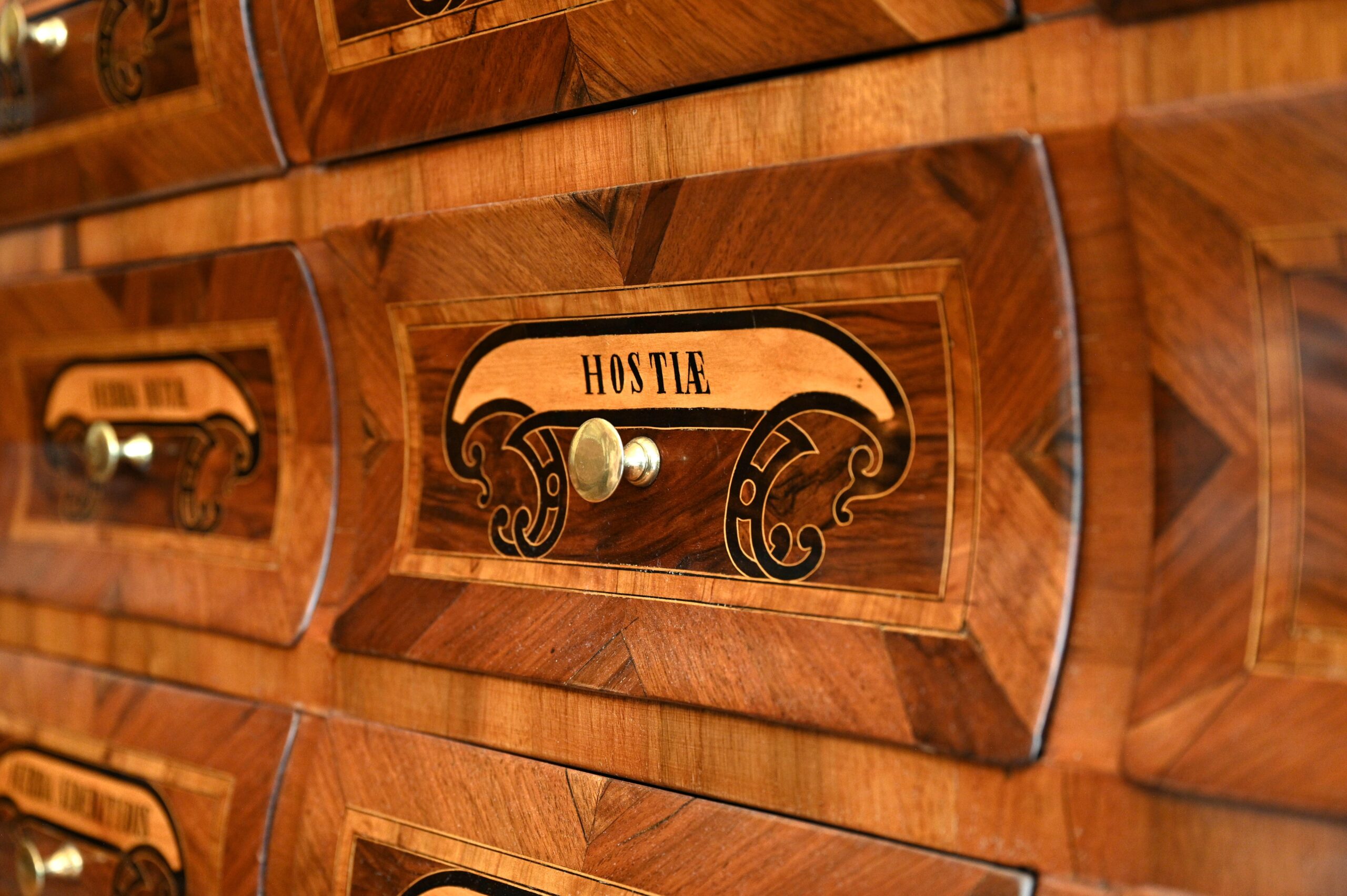
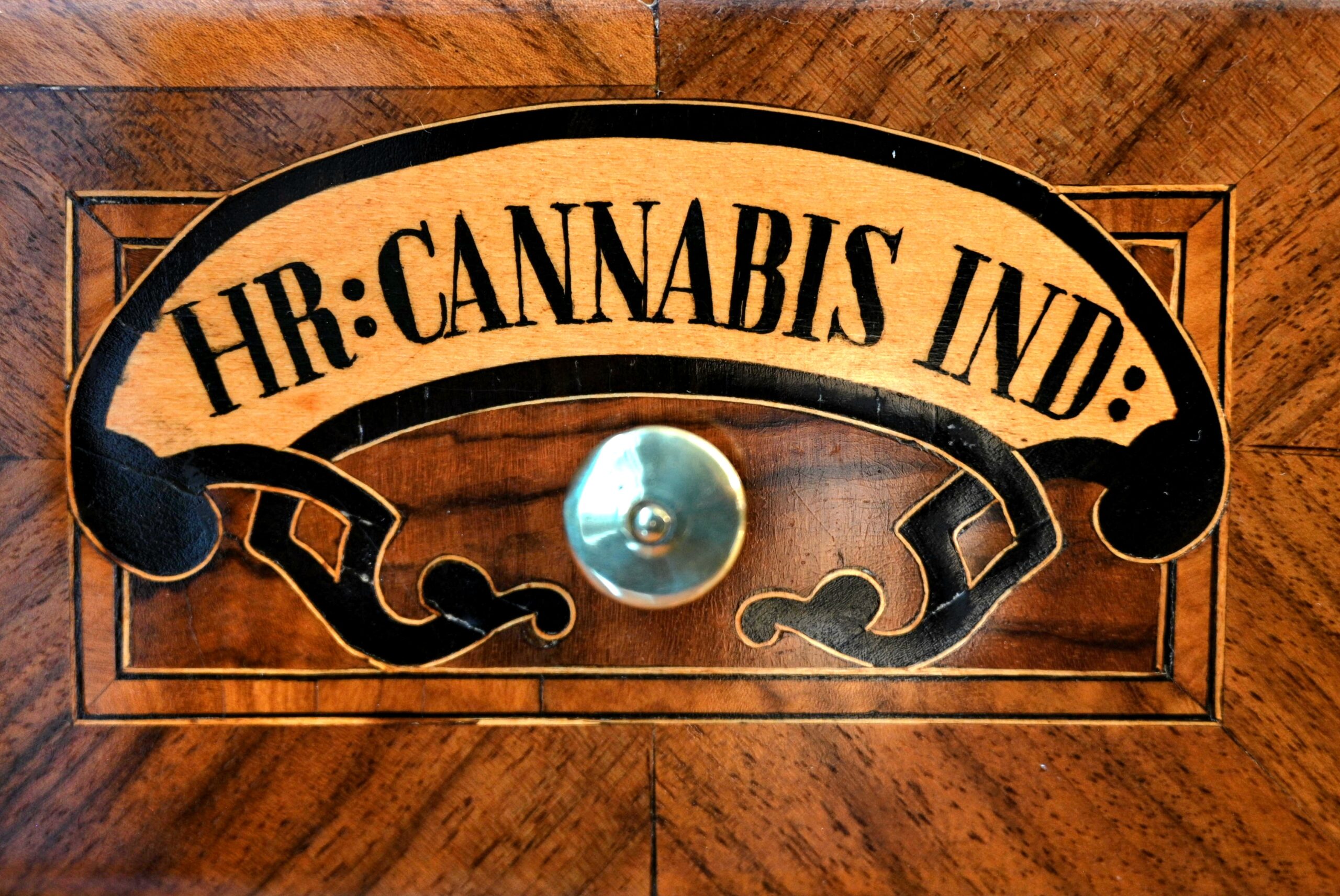
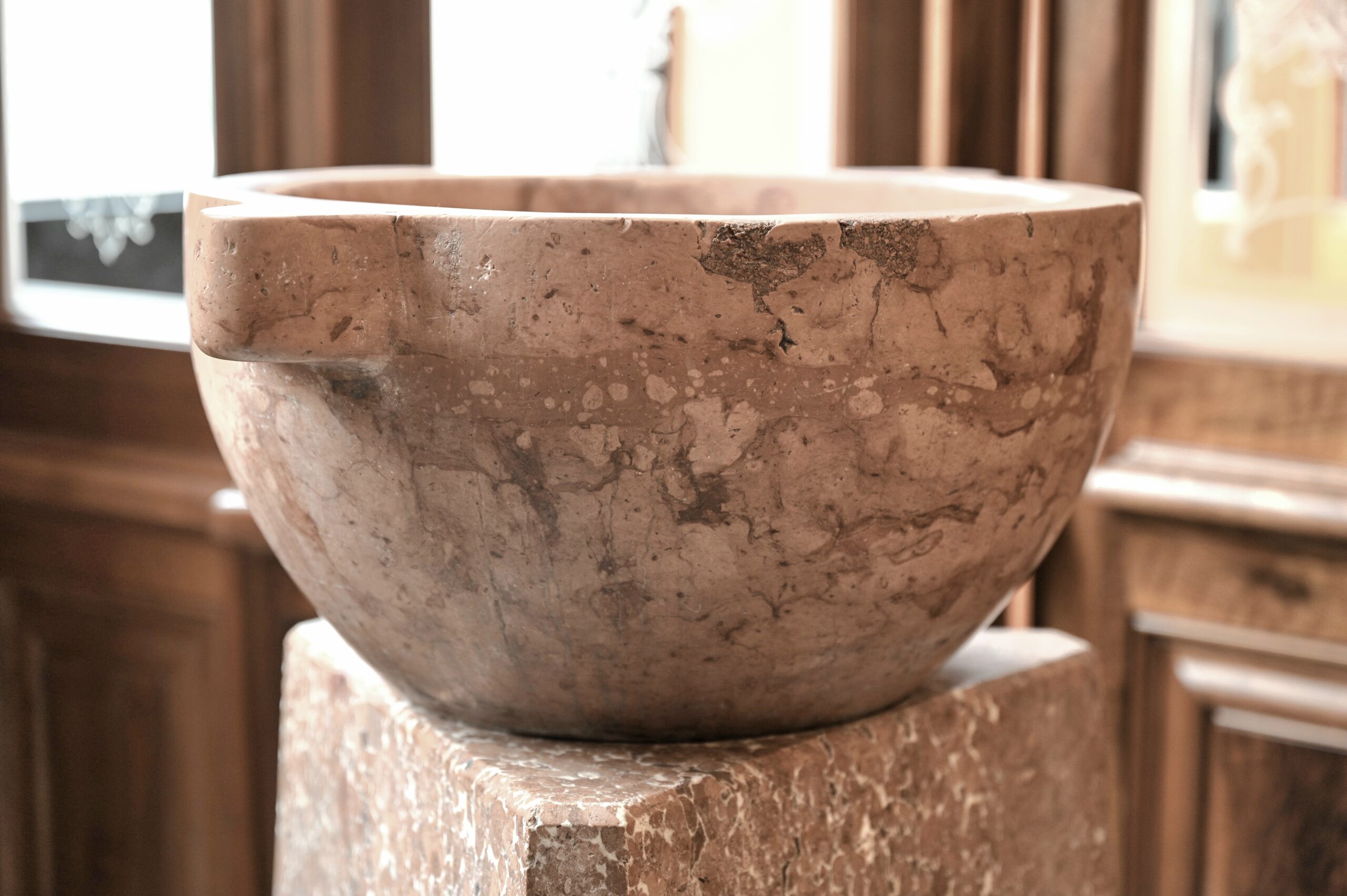
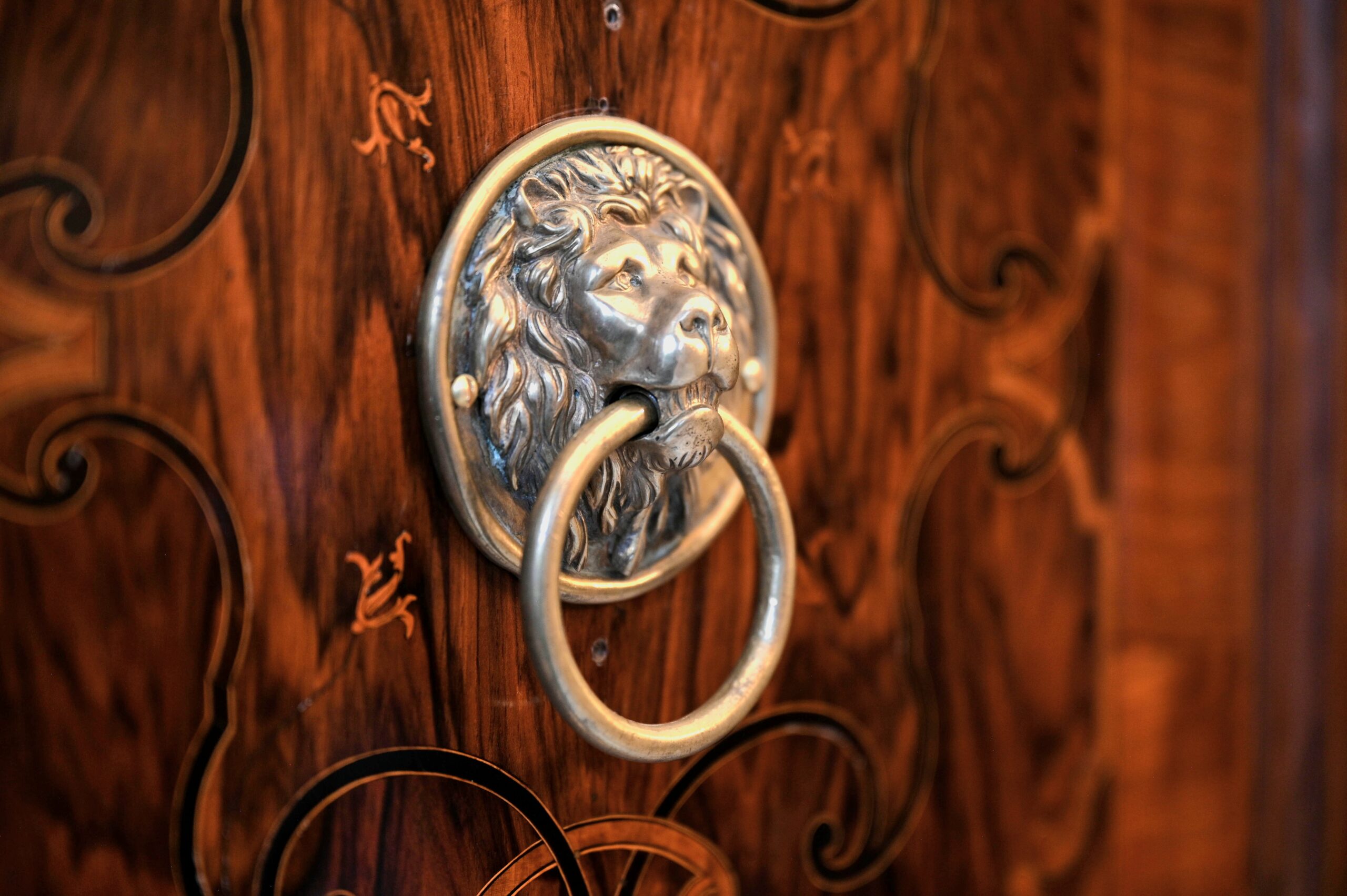
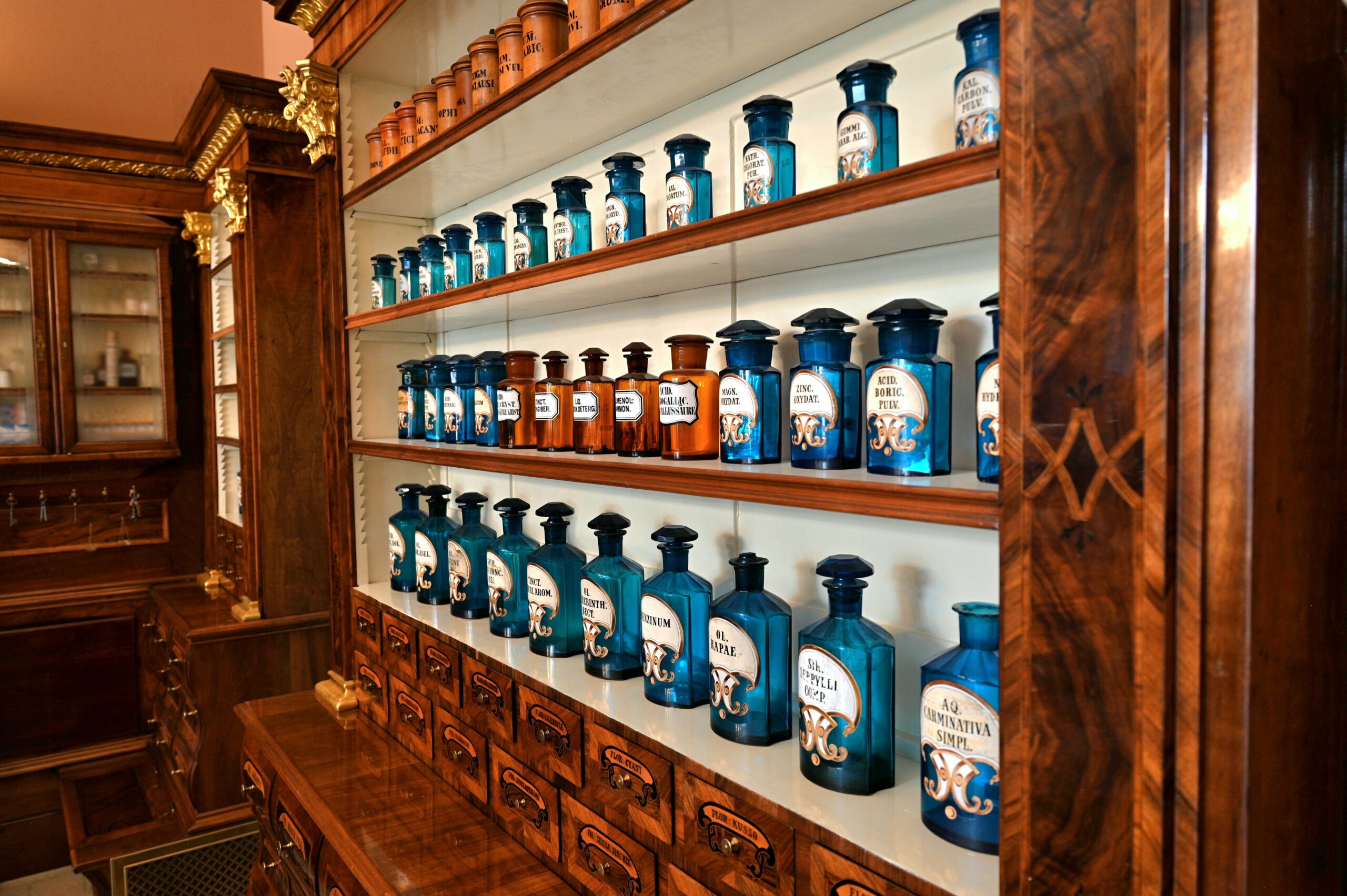
Visitors of the Salvator Pharmacy can admire original Baroque furniture from the 1720s and a grand marble table dating back to the first half of the 17th century. Due to the country’s poor governance in the 1990s, the pharmacy was forced to close, but it was restored to its former glory by the city of Bratislava and reopened in 2024.
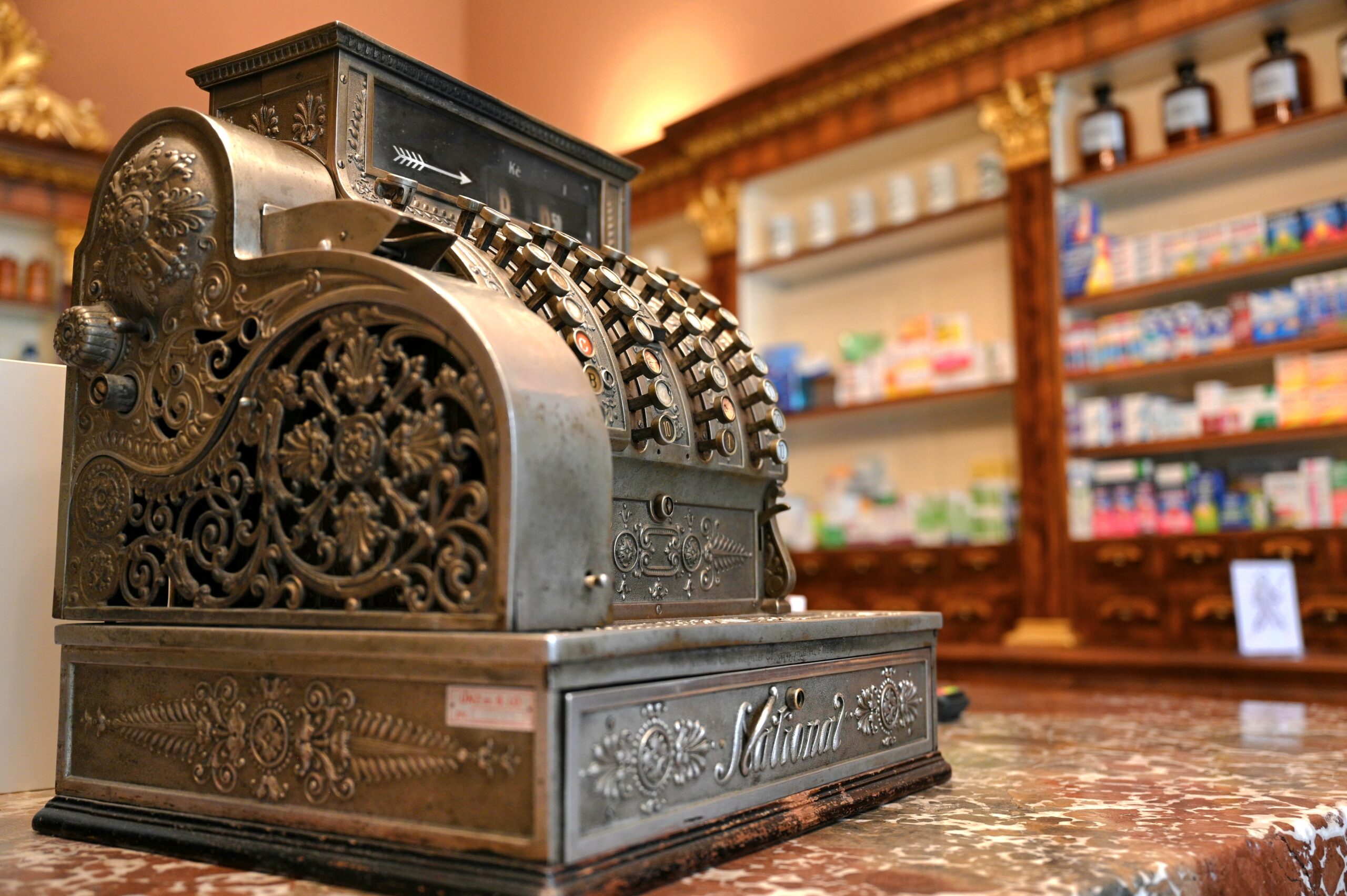
Today, it serves both its original purpose of dispensing medications and as a living museum, employing specially trained pharmacists eager to share the pharmacy’s centuries-long story.
Tips
Exterior
Three Languages
Name
Saint Salvator
Establishment
Before 1658
Nearby restaurants
There’s plenty of options near Salvator Pharmacy. Panska and Laurinska Streets, along with Hviezdoslav Square, feature a variety of bars, cafés, and restaurants. Among them are two Gatto Matto restaurants, the Mediterranean-inspired San Marten, and the beautifully designed Zylinder, which evokes the elegance of Emperor Franz Joseph’s era. For an upscale dining experience with stunning views of the cathedral and the Old Town, consider visiting the Sky Bar & Restaurant.
Things to do nearby
Right in front of the Salvator Pharmacy stands St. Martin’s Cathedral, a stunning Gothic church that played a key religious and political role in Central Europe for centuries as the coronation site of kings and queens of the Hungarian Kingdom. Behind the cathedral are the City Walls, which protected Bratislava from invaders for centuries, as well as the cobblestone-paved Kapitulska Street. Traditionally home to several Roman Catholic institutions, Kapitulska Street still retains its historic charm today. To the south, you can explore the beautiful Hviezdoslav Square, which stretches from Rybne Square with its Plague Column to the Ganymede Fountain in front of the historic Slovak National Theatre.
For centuries, the St. Martin’s Cathedral was playing a key religious and political role in Central Europe, as the coronation church of kings and queens of the Hungarian Kingdom, including famous Maria Theresa. The construction of this beautiful Gothic building was initiated in 1311 A.D. and finalized two centuries later. The 85-meter-high tower houses houses six bells, including a 2.5-ton Wederin, dating back to 1674, as well as a 150-kilogram golden-plated model of the Hungarian royal crown.
During the Middle Ages, Bratislava’s massive City Walls played an important defensive role. The inner city was only accessible through three main fortified gates, and later a smaller one in the Danube direction. The Michael’s Gate featuring an iconic tower is the only one that survived until today. As the walls’ relevance decreased after the defeat of the Ottoman forces in the 18th century, their large part was destroyed to allow the city’s further expansion. Travel back in time by entering the preserved part of the walls through a bridge connecting it with the Castle Hill, a gate opposite to the St. Martin’s Cathedral, or a passage from Kapitulska Street. The Walls are open every day of the week.
Kapitulska Street is one of the oldest streets, predating the establishment of the city in the 13th century. It has long been home to Roman Catholic institutions, including the Faculty of Theology and Seminary, the Bishops’ Conference of Slovakia, a parish office, Premonstratensian nuns, a youth center, and Catholic radio and newspapers. This picturesque cobblestone-paved street, with its passages leading to the City Walls, remains one of the quietest and most romantic spots in the Old Town.
A sprawling promenade shaded by old trees and lined with numerous bars and restaurants, Hviezdoslav Square is one of Bratislava’s must-see attractions. Beautiful palaces on both sides recall the era when this area was home to wealthy nobility. Notable landmarks include the historic building of the Slovak National Theatre building and the Carlton Hotel, which once hosted prominent figures such as Maria Theresa, Jules Verne, Albert Einstein, Alfred Nobel, Franklin D. Roosevelt, Thomas Edison, and Franz Liszt. The square features several fountains, a grand statue of one of Slovakia’s most significant poets, Pavol Orszagh Hviezdoslav, and various smaller statues. It culminates at Rybne Square with its 1713 Plague Column.
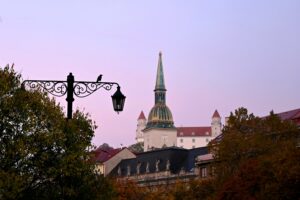
Perched on a hill where people have dwelled since the Stone Age and where the Celts minted their well-known Biatec coins, Bratislava Castle stands tall as the most impressive landmark in the city. For centuries, it was overseeing the intersection of Europe’s major trade routes – the Danube River and the Amber Road. Today, it exhibits a historical museum and a baroque garden. The castle walls and the castle park remain accessible at all times, offering one of the finest views of the city’s panorama.