
Bratislava
Travel Guide
Welcome to Bratislava
Discover endless sightseeing options and indulge in the most amazing cafés, bars, and restaurants. Feel rejuvenated as you soak in the city’s relaxed ambiance. Bratislava has it all: centuries of history, perks of the urban life, and great outdoors. The maponaut’s Bratislava Travel Guide will help you enjoy your stay.
Bratislava lies within the Central European triangle formed by Prague, Vienna, and Budapest, with which it shares strong historic, cultural, and economic ties. Visit the city where coronations of Hungarian kings and queens took place, where France and Austria signed a peace treaty, where Liszt and perhaps Mozart performed, the last major city attached to Czechoslovakia, and the Capital of an independent Slovakia.
Most popular
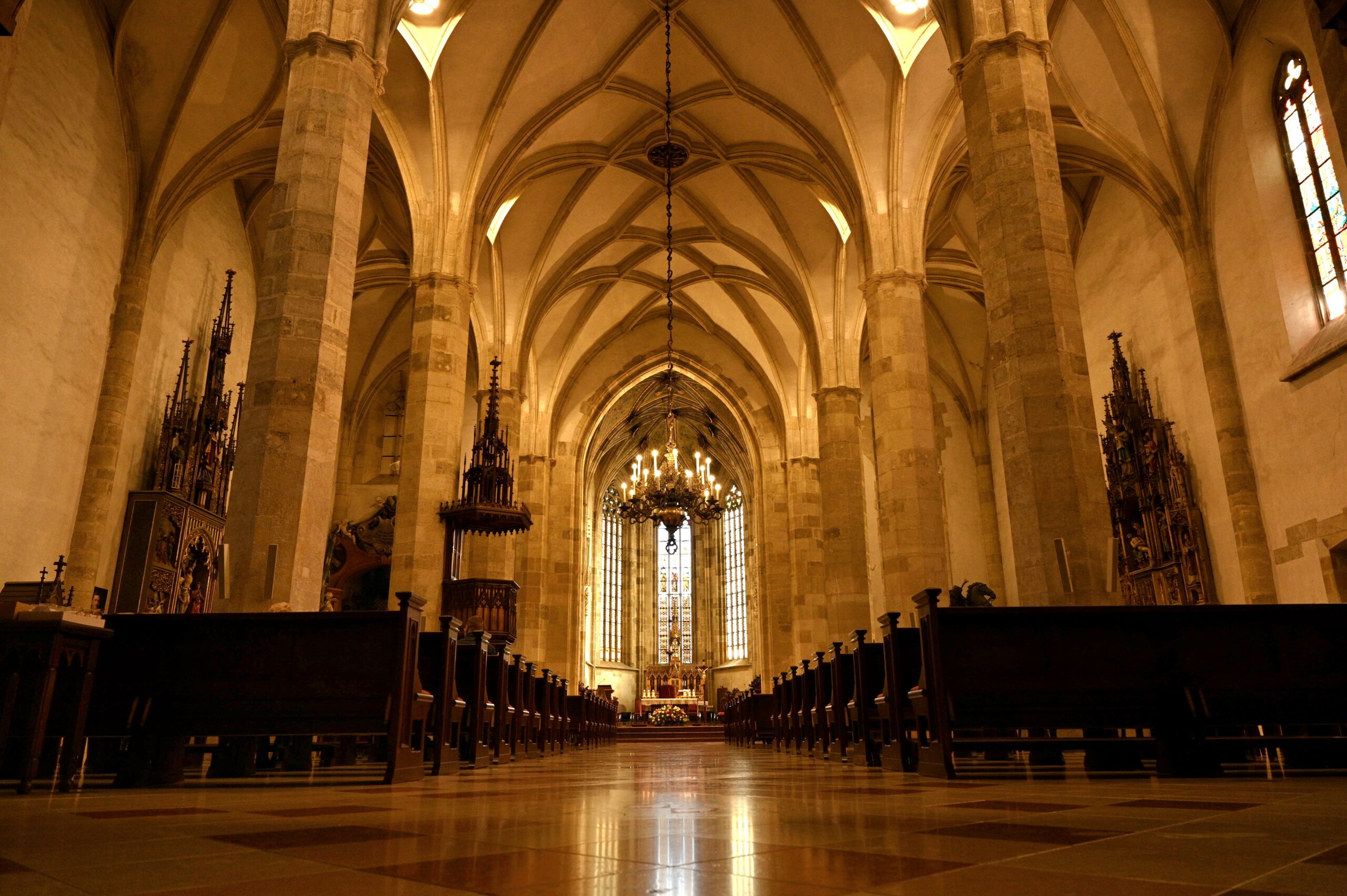
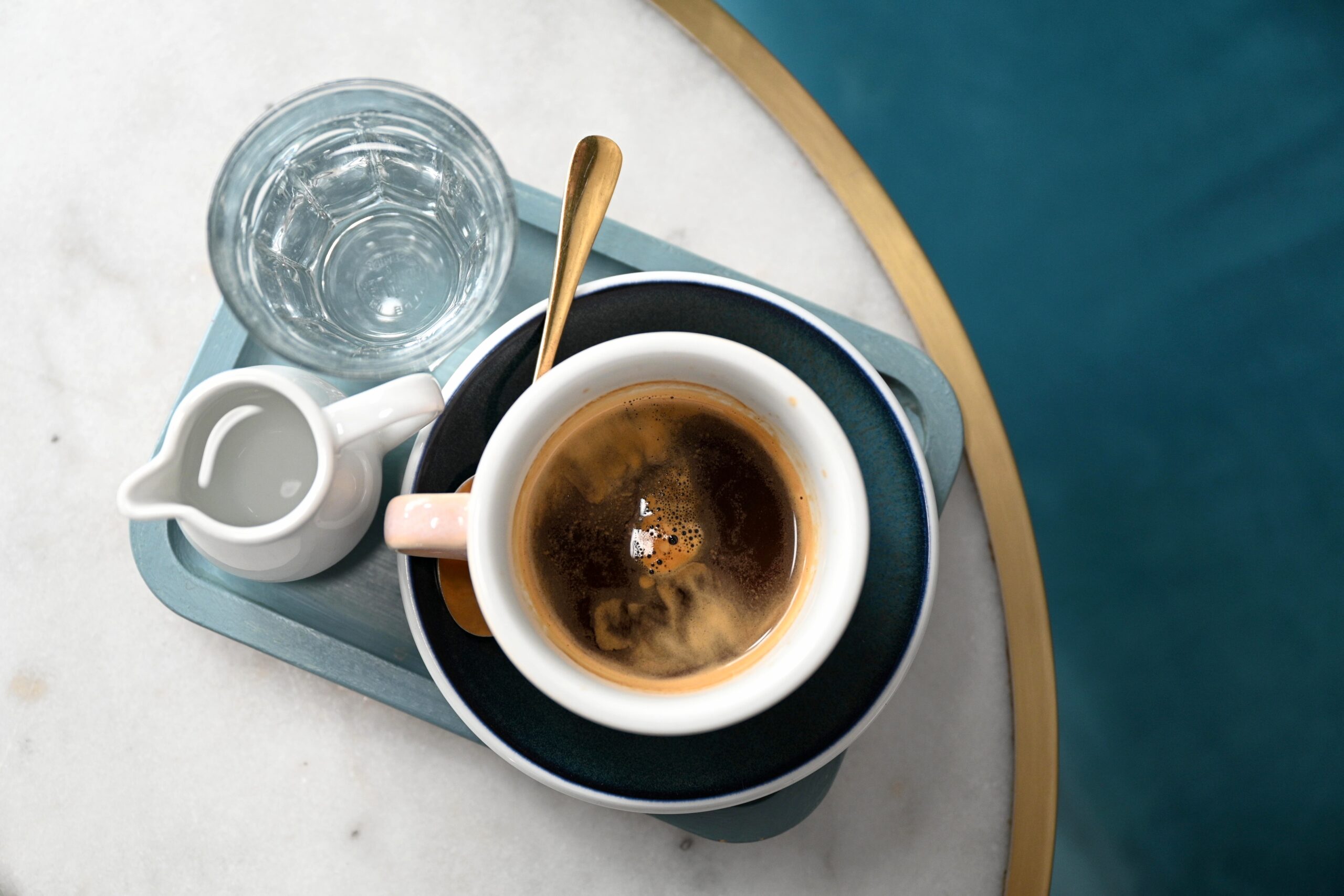
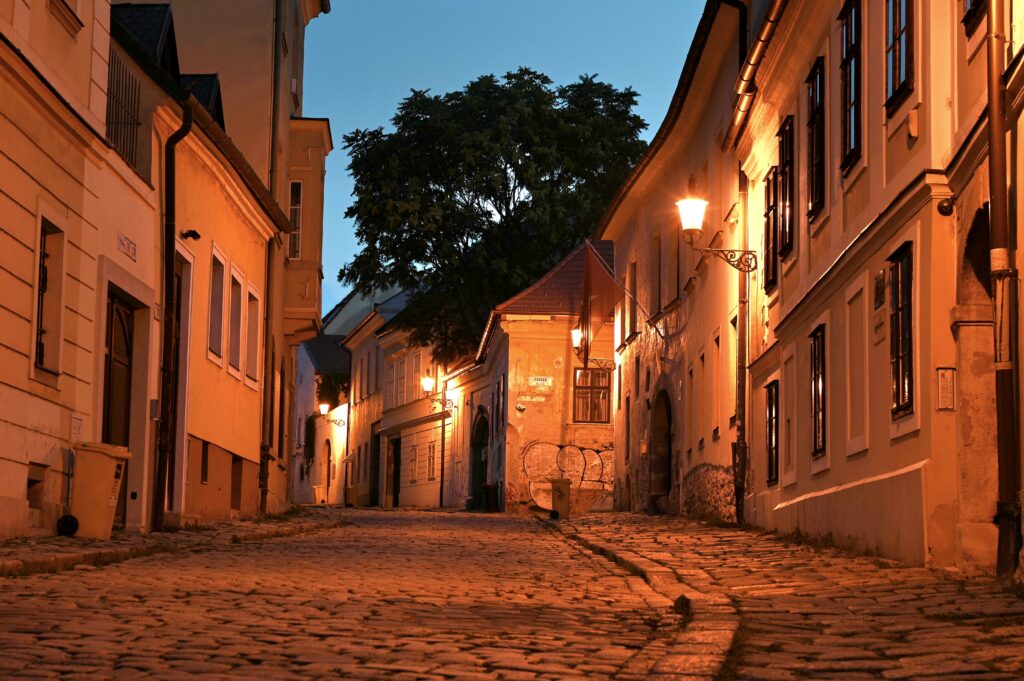
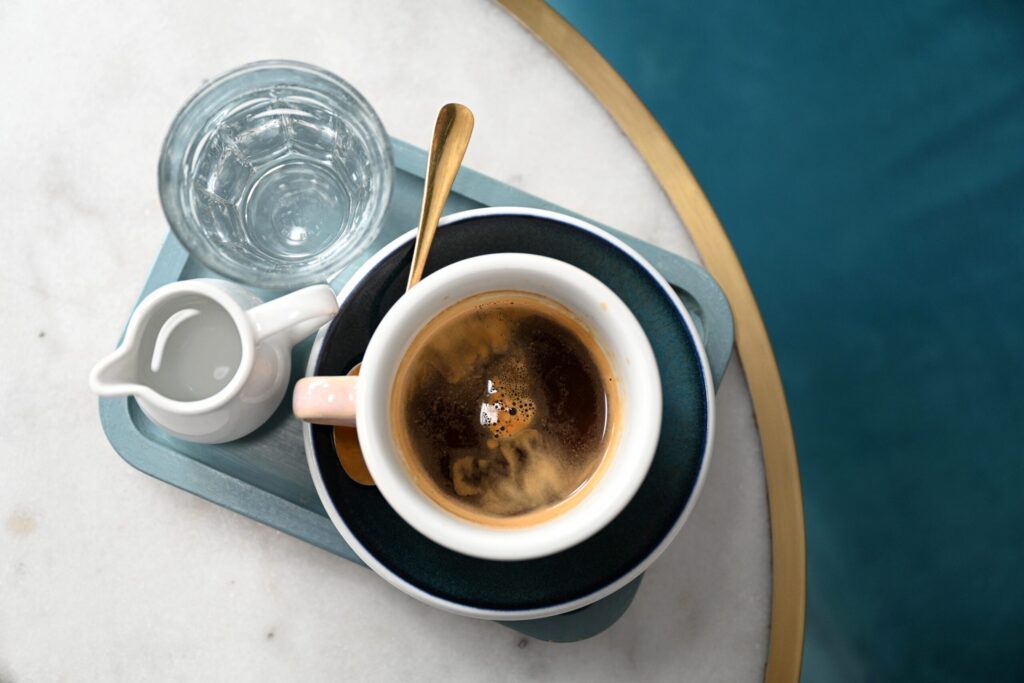
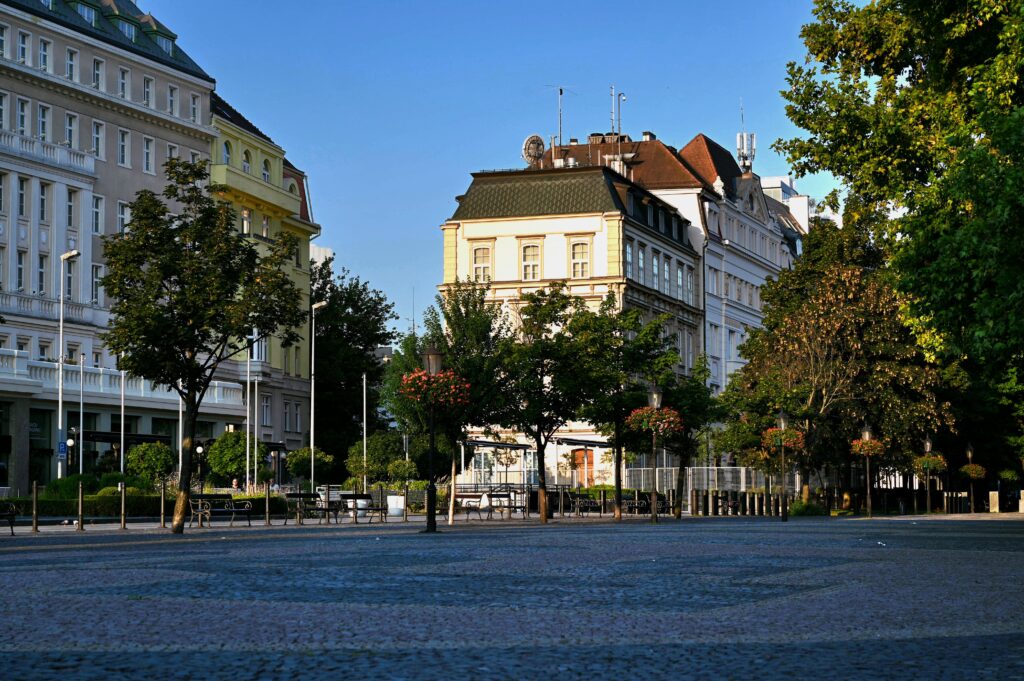
Bratislava is known for its laid-back atmosphere. Enjoy walks in the historic city center, have a cup of coffee in one of the countless coffee shops, and relax. In the Old Town, everything is within the walking distance. Explore romantic alleys, a Gothic cathedral, medieval city walls, beautiful palaces, and lively historic squares without any haste.
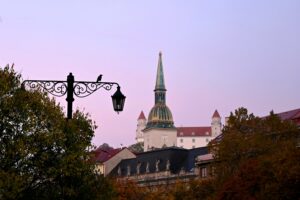
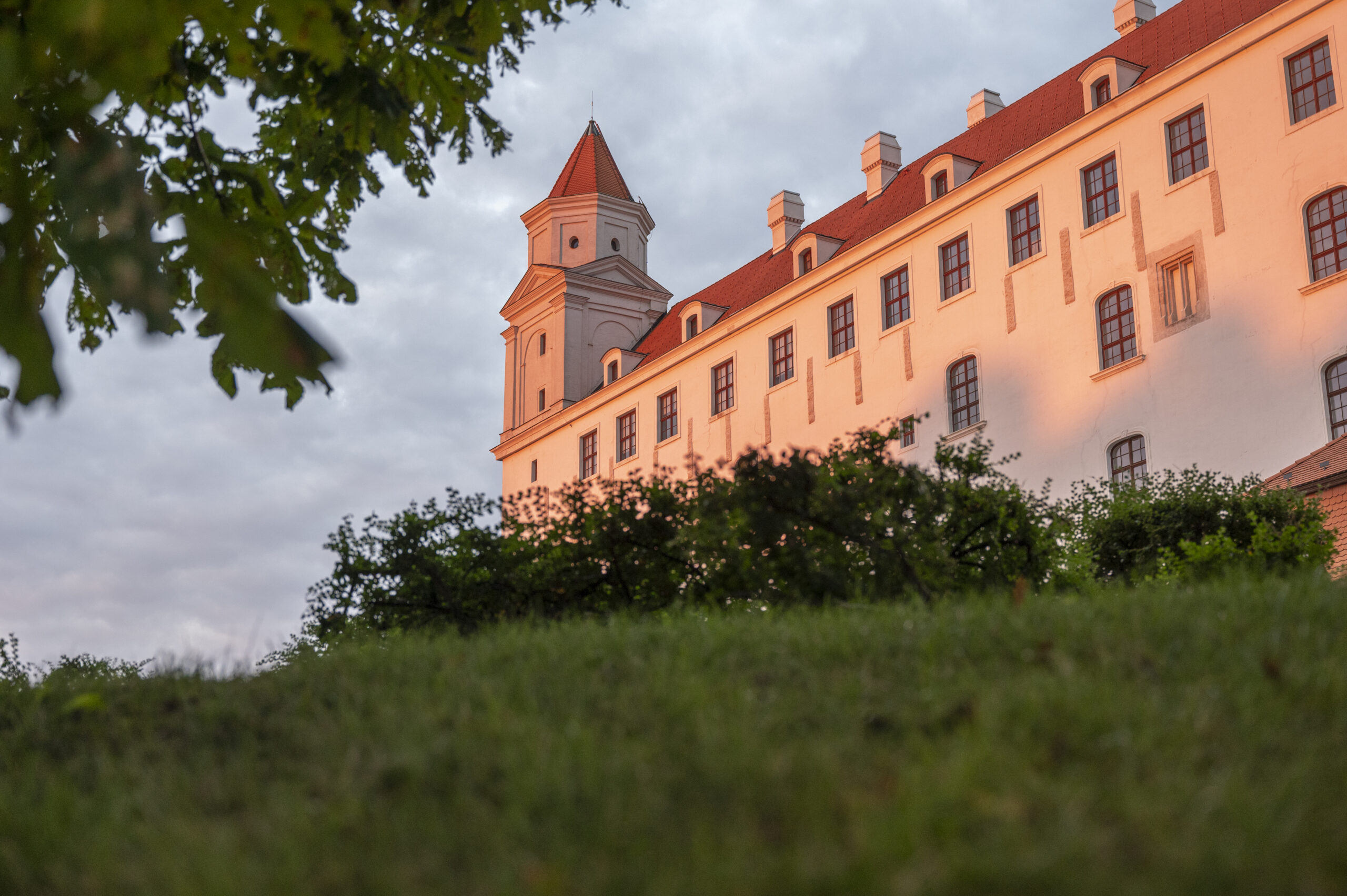
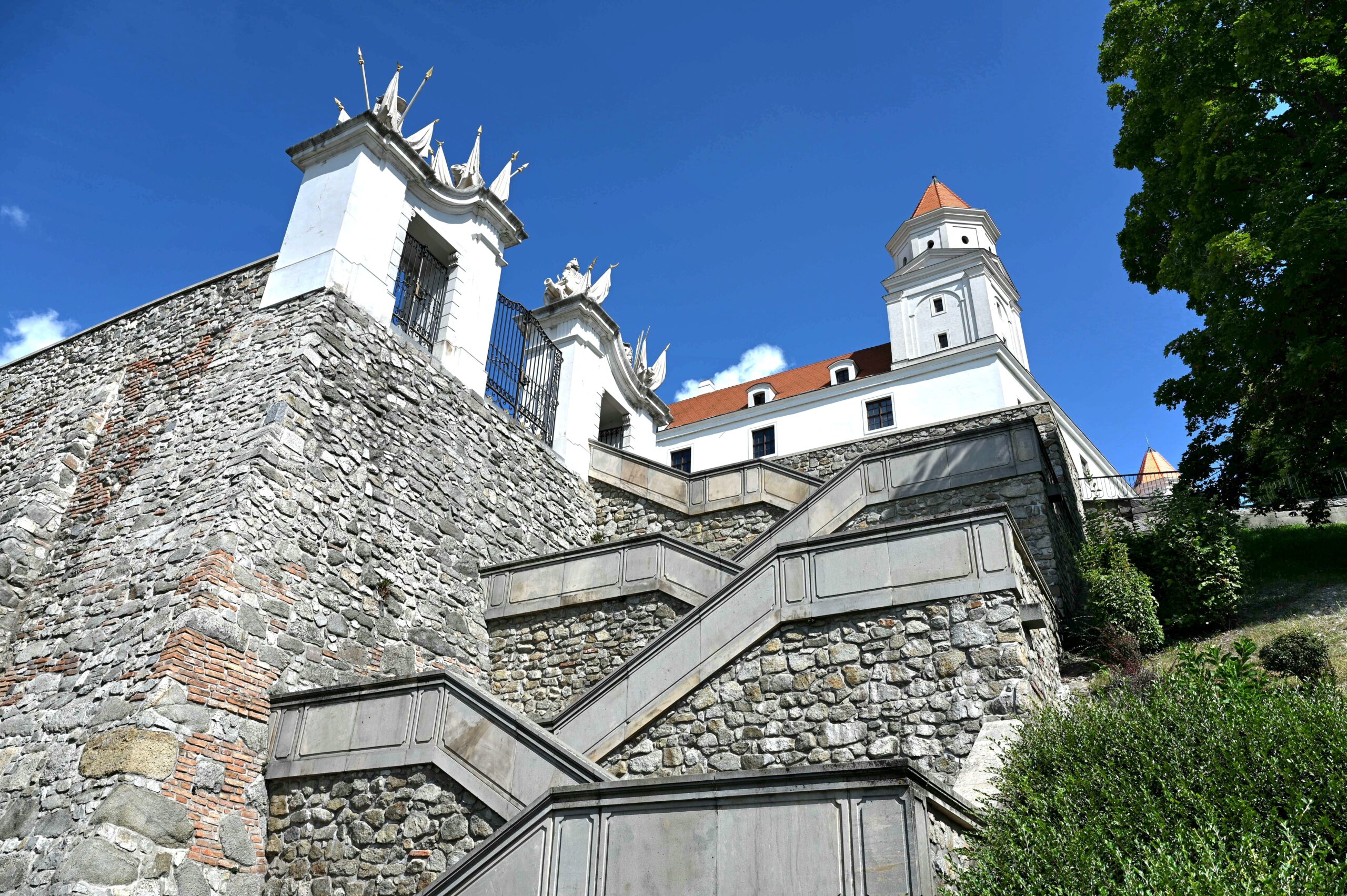
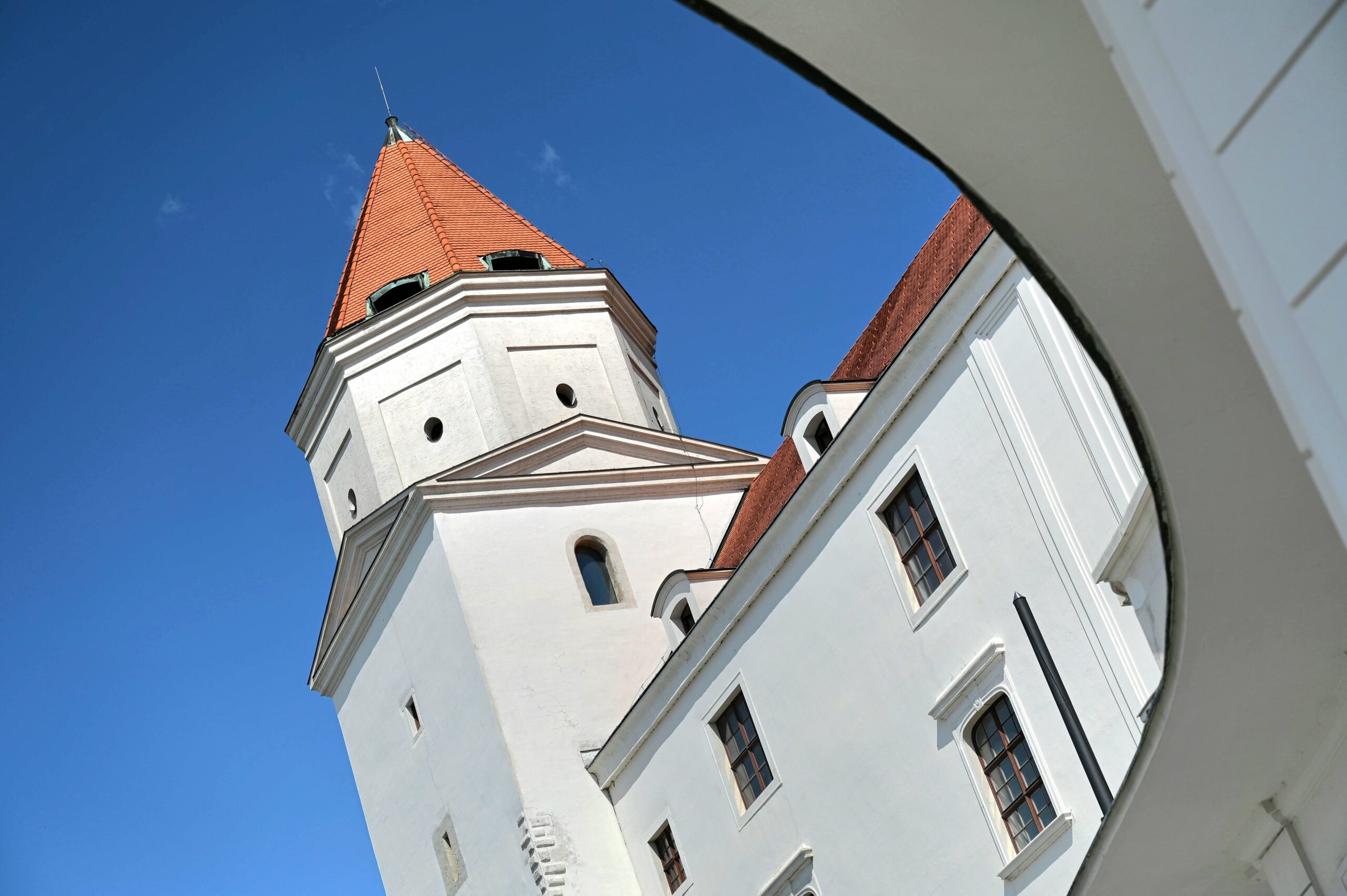
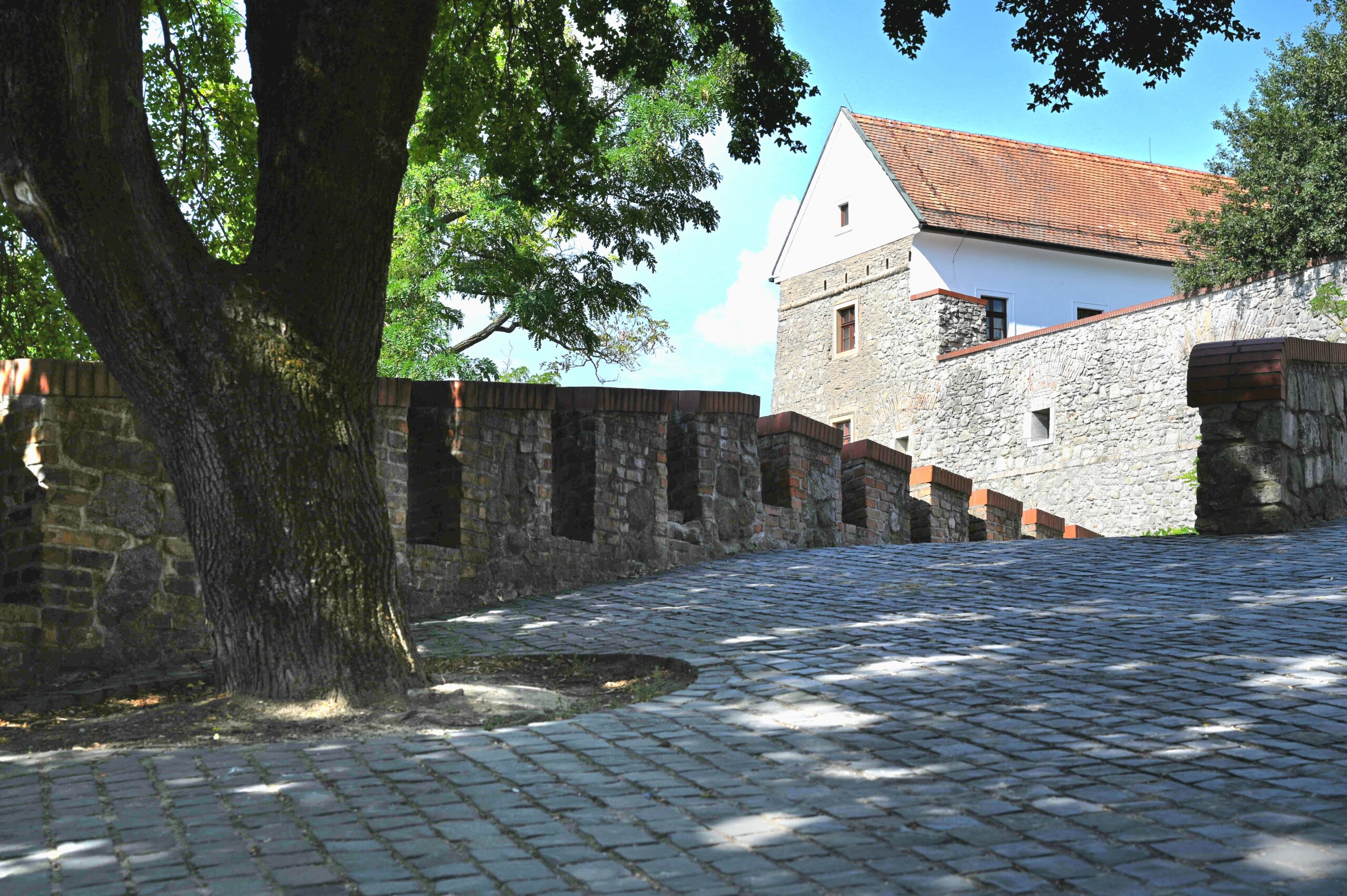
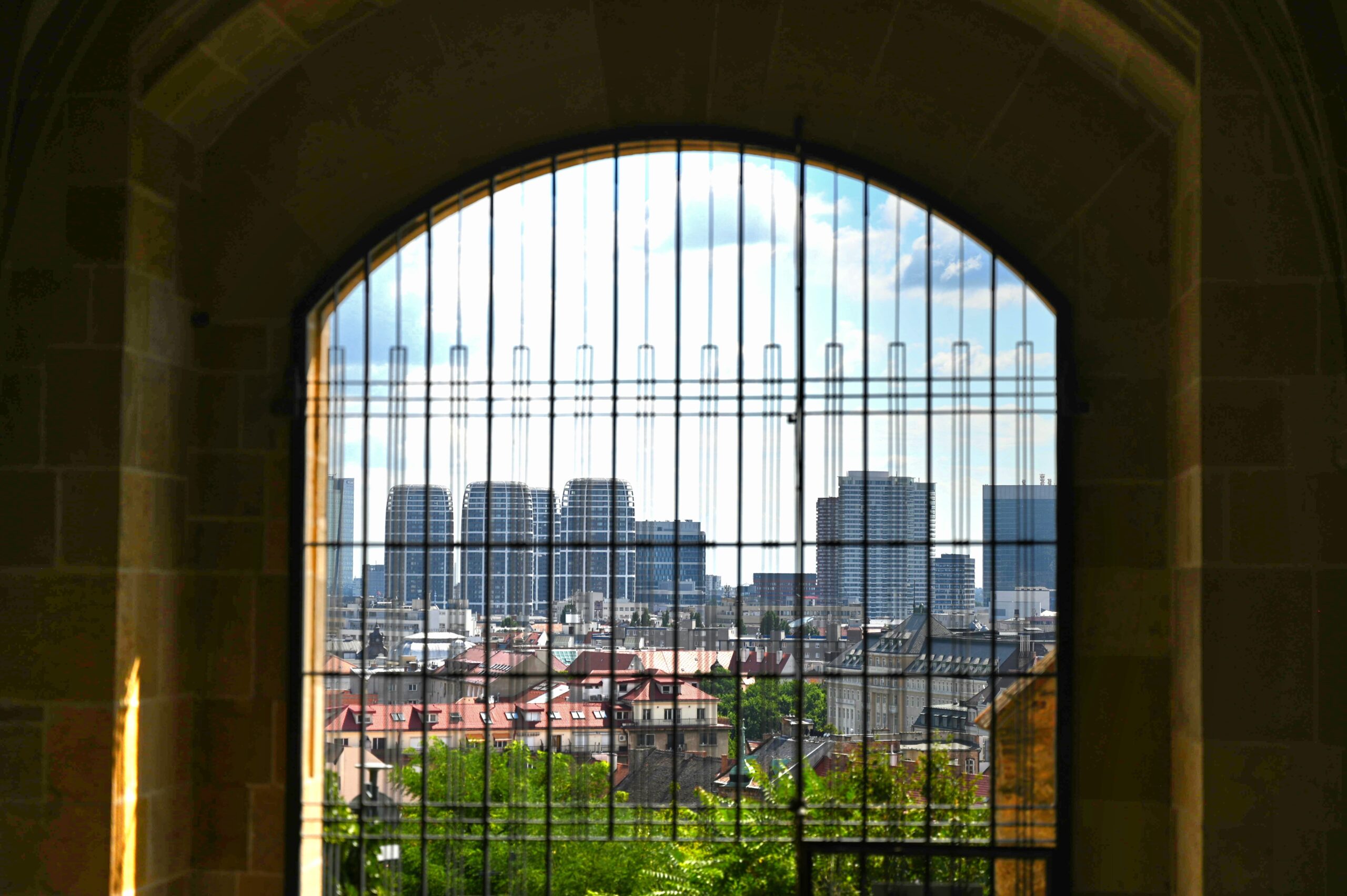
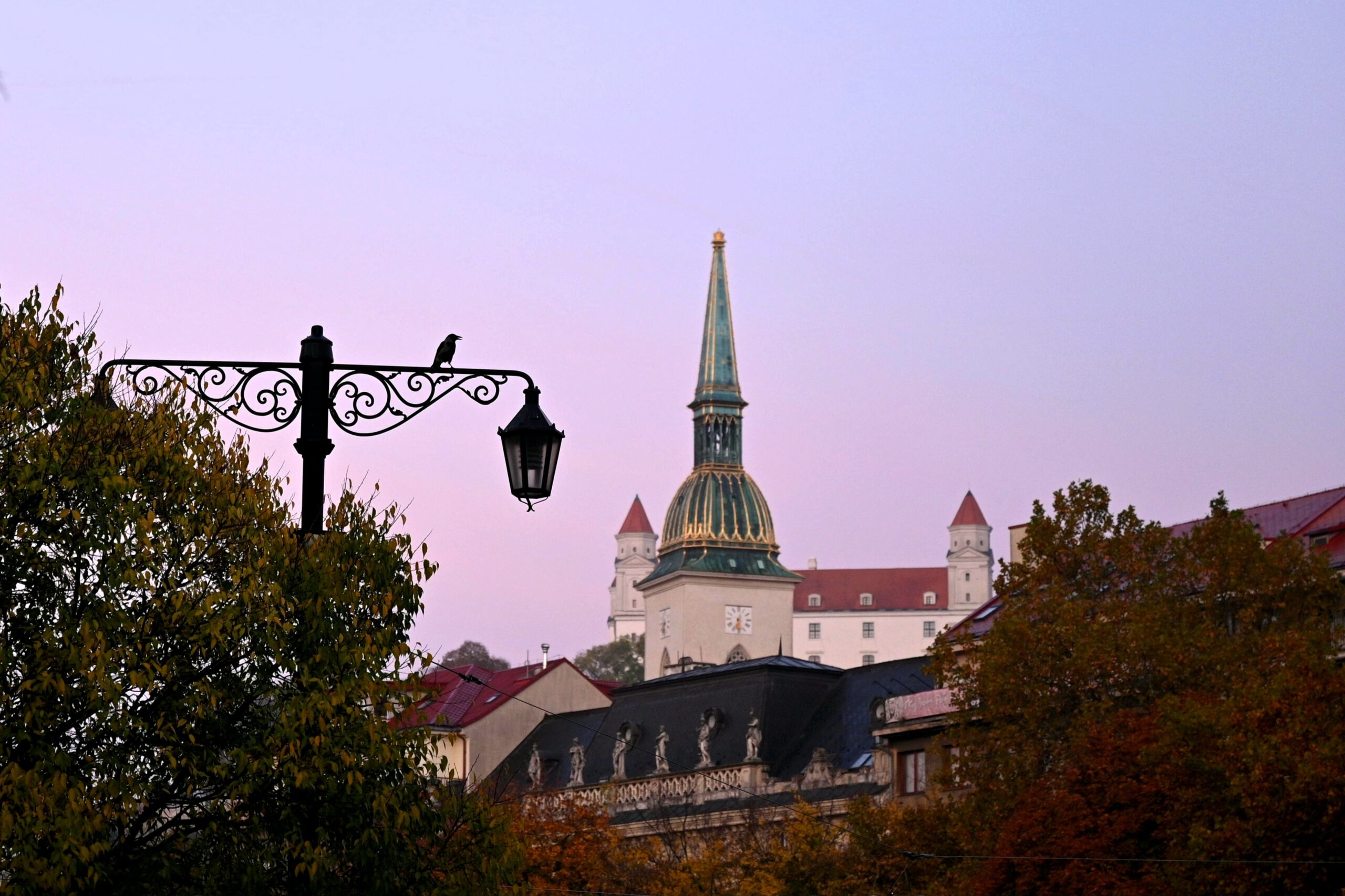
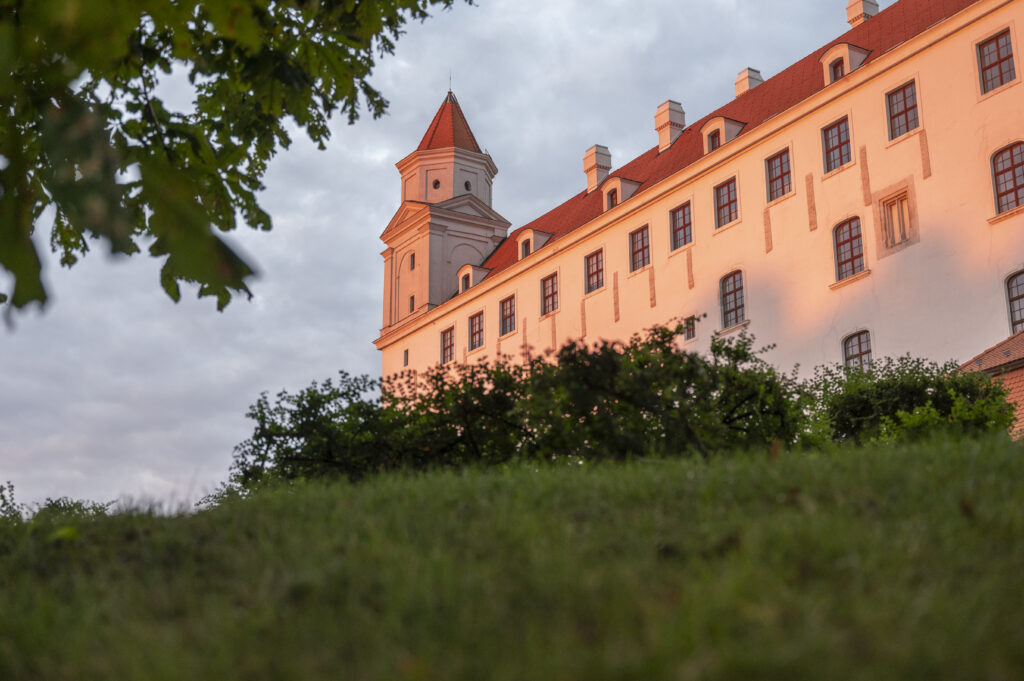
Perched on a hill where people have dwelled since the Stone Age and where the Celts minted their well-known Biatec coins, Bratislava Castle stands tall as the most impressive landmark in the city. For centuries, it was overseeing the intersection of Europe’s major trade routes – the Danube River and the Amber Road. Today, it exhibits a historical museum and a baroque garden. The castle walls and the castle park remain accessible at all times, offering one of the finest views of the city’s panorama.
Holiday Season
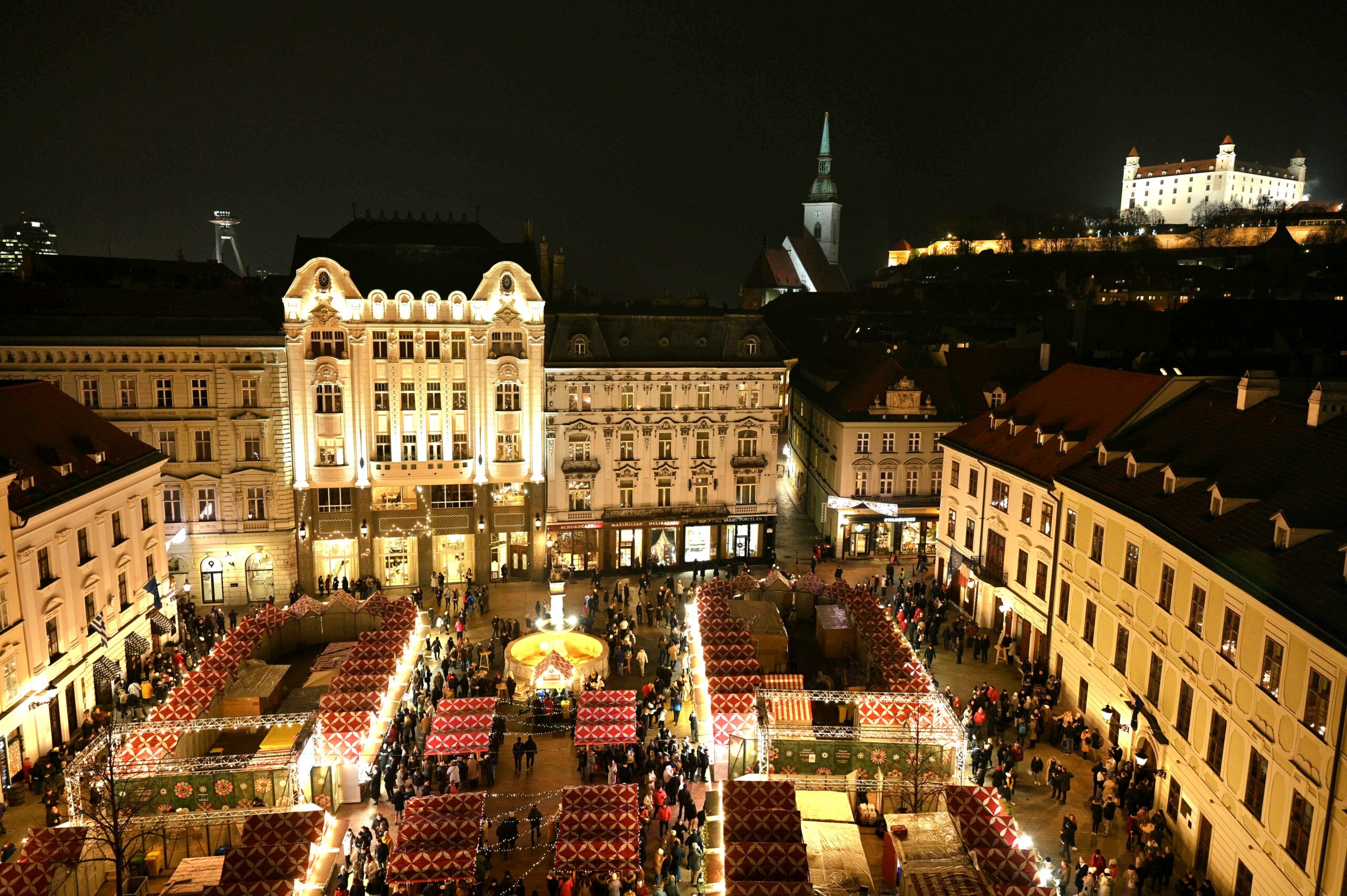
Bratislava turns into a winter fairy tale at Christmas, with twinkling markets, the sparkling Christmas Tram, and magical views from the Old Town Hall tower. A snowy walk through the Municipal Forest invites quiet moments, while skating under the stars at Hviezdoslav Square or by the Danube adds romance. The holiday shopping season fills the city with festive windows and sweet treats, while peaceful church concerts and midnight masses let visitors experience the true Christmas spirit.
Traveling
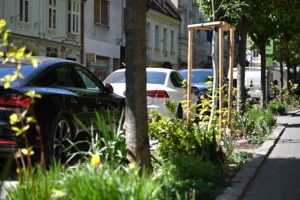
Bratislava offers a range of parking options to suit every visitor. From street parking, through public garages and parking lots in the Old Town, to vast parking garages in the shopping malls and park-and-ride spots, our Bratislava parking guide will help you find what’s best for you.
What to know before visiting Bratislava, the capital of Slovakia. What is the best season to visit Bratislava? Why not to hail a taxi on the street? Are shops open on Sunday? Our traveling guide has it all: from fun facts to transportation options and area recommendations!
What to do and see in Bratislava
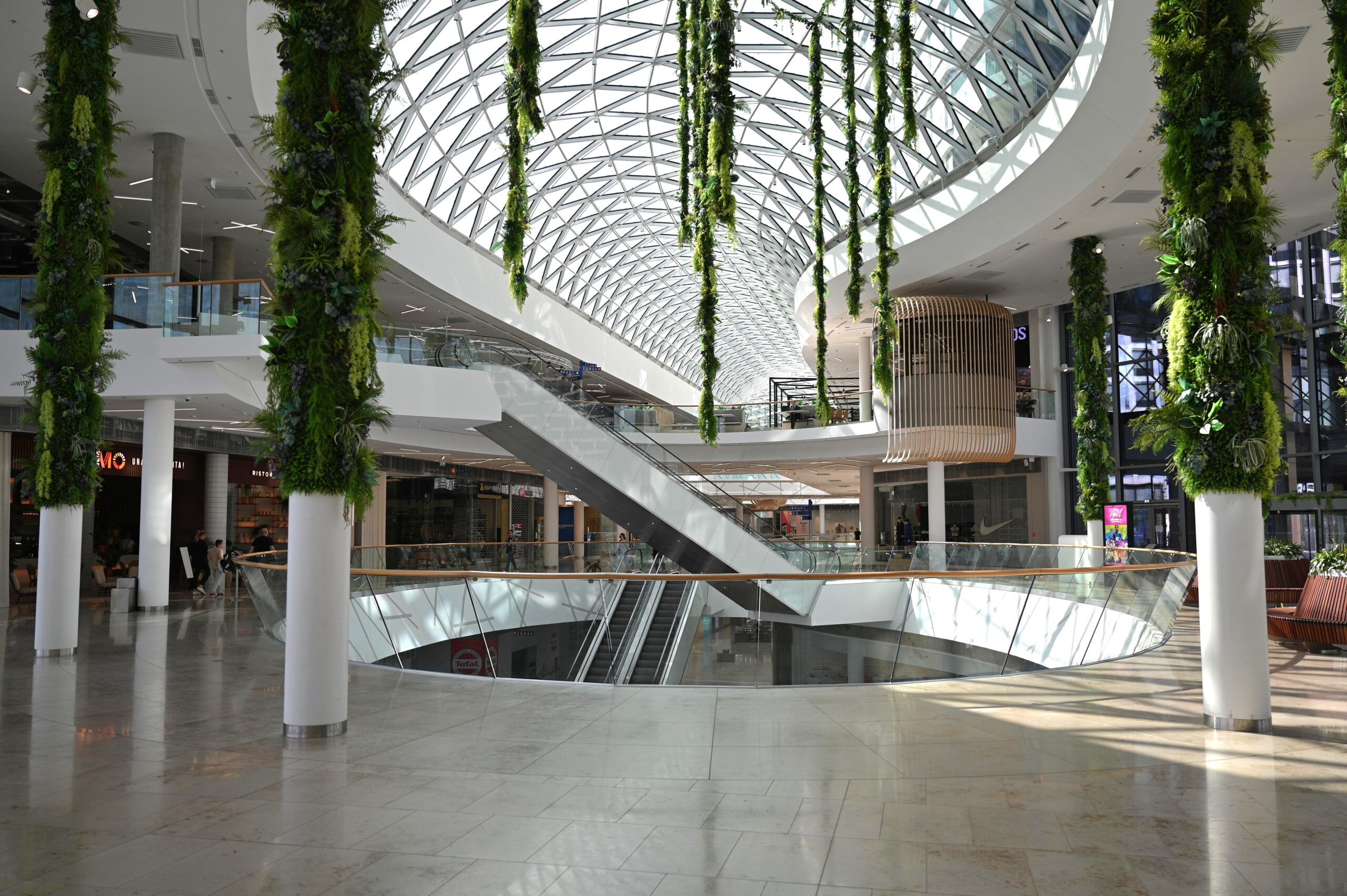
There’s a lot you can do in Bratislava: Wander in the Old Town, sit down in a café, eat and drink in a local brewery or vinery, take a boat trip on the Danube to the Devin Castle, explore beautiful fine art galleries, enjoy classical music in the internationally-recognized Slovak Philharmonic, indulge in Bratislava’s vibrant nightlife, go for a morning run along the waterfront, spend money in one of the major shopping malls, have a walk, ride a bike, or grill your own meal in the municipal forest. The choice is yours!
As a starting point, check out this Bratislava Travel Guide’s Top 10 list featuring all the must-see places in the city. Dive deeper through our carefully curated lists and itineraries to unveil all the fantastic places and activities that await you in Bratislava!
Bratislava has a lot to offer if you are willing to explore beyond the top attractions. From hidden gems to offbeat activities, look at our suggestions to make the most of your stay in Bratislava.
What to eat and drink
in Bratislava
Bratislava offers a variety of fine dinning and street food restaurants. We recommend experiencing a lunch or dinner in one of the local micro-breweries following up on more than five hundred years of brewing beer in Bratislava. In the last couple of years, a number of high-quality vegan restaurants enriched the city’s gastronomy landscape.
The most traditional Slovak dish is the sheep cheese dumplings, called “bryndzove halusky”. The city’s true specialty is a sweet pastry with nut or poppy seed filling called “bratislavske rozky”. In Slovakia, meals and desserts with the poppy seed filling are highly popular among children and adults alike, and tasting one of them is a must for any curious foodie.
Bratislava region is home to a large number of vineyards associated in the Little Carpathian Wine Route. Explore small villages and towns on the south-eastern side of the Little Carpathians (or “Male Karpaty”) mountain range, and enjoy fine wine tastings combined with traditional food in one of the many cozy wine cellars.
Quality honey is produced by local family-owned producers all across Slovakia. Buy a jar of the award-winning honey, a bottle of the traditional mead or another bee product as a thoughtful present or souvenir from Slovakia.
Find what you need with Bratislava Travel Guide by maponaut.
Our lists
Go off the beaten path, discover hidden gems, extraordinary things to do, and personalize your vacation according to your preferences. Our carefully prepared lists and itineraries will help you navigate through available options and get most out of your stay in Bratislava.
What are the best vegan restaurants, burger places and clubs in Bratislava? How to plan the most romantic Christmas vacation? Where are the most beautiful city gardens and what adventures can you experience in Slovakia’s capital? This Bratislava Travel Guide will provide the answears.
Let’s go beyond the usual tourist spots, and plan a truly unique visit! See all the lists and itineraries by clicking on the button below.
History
The area of Bratislava has been continuously inhabited for thousands of years, with first documented Neolithic settlements dating back to 5000 B.C., and traces of the human presence dating back even to Paleolithic. The first fortified town was established by the Celtic tribe of Boii in the 2nd century B.C. The significance of this ‘oppidum’ is evidenced by their minting of coins, including the famous silver ‘Biatec,’ which now serves as the emblem of Slovakia’s central bank.
After the Celts’ decline, the Danube River became a natural frontier between the Roman Empire and Germanic tribes. Atop the hills where Bratislava and Devin castles would later be built, the Romans established outposts to control river passage and protect the ‘Limes Romanus.’ The foundations of their ‘Gerulata’ fort and related artifacts can be seen today at a UNESCO World Heritage Site in Bratislava’s Rusovce district.
Slavic tribes settled the area during the Migration Period in the early Middle Ages, adopted Christianity, and created their states as early as in the 7th century. Bratislava Castle is mentioned in the Annals of Salzburg of 907 A.D. as the site where Hungarian tribes defeated East Frankish forces, marking the first known written reference to Bratislava.
For nearly a thousand years, Bratislava was part of the Hungarian Kingdom, and eventually the Austro-Hungarian Empire. It became a multicultural city with significant German and Jewish communities. Rulers granted it extensive city privileges, including the status of a free royal city in 1291 A.D., the right to a coat of arms in 1436 A.D., and the establishment of its first university, ‘Universitas Istropolitana,’ in 1467 A.D. In the 16th century, following the Ottoman victory at the Battle of Mohács in 1526 A.D., Bratislava became the capital of the Hungarian Kingdom, a coronation site for its kings and queens, and the seat of the Archbishop of Esztergom. Throughout three centuries, Bratislava played a critical role as a fortress on the Christian-Islamic frontier. In the 12th century, the forces of the Third Crusade led by Frederick I Barbarossa gathered at Bratislava Castle in 1189 A.D.
Despite its prominence, the city also faced significant turmoil. In the 17th century, Protestantism spread but was later suppressed, and an outbreak of plague in 1679 A.D., followed by cholera in 1712 A.D., drastically reduced the population. The 18th century marked a period of reconstruction: Queen Maria Theresa ordered a Baroque expansion of the castle and agreed to dismantle the medieval city walls to make way for new buildings. Notable developments included the Archbishop of Esztergom’s summer residence (now the Prime Minister’s seat), Count Grassalkovich’s palace (now the Presidential residence), the establishment of a public park (today’s Sad Janka Kráľa) on the Danube’s southern bank, and the construction of various manufactories.
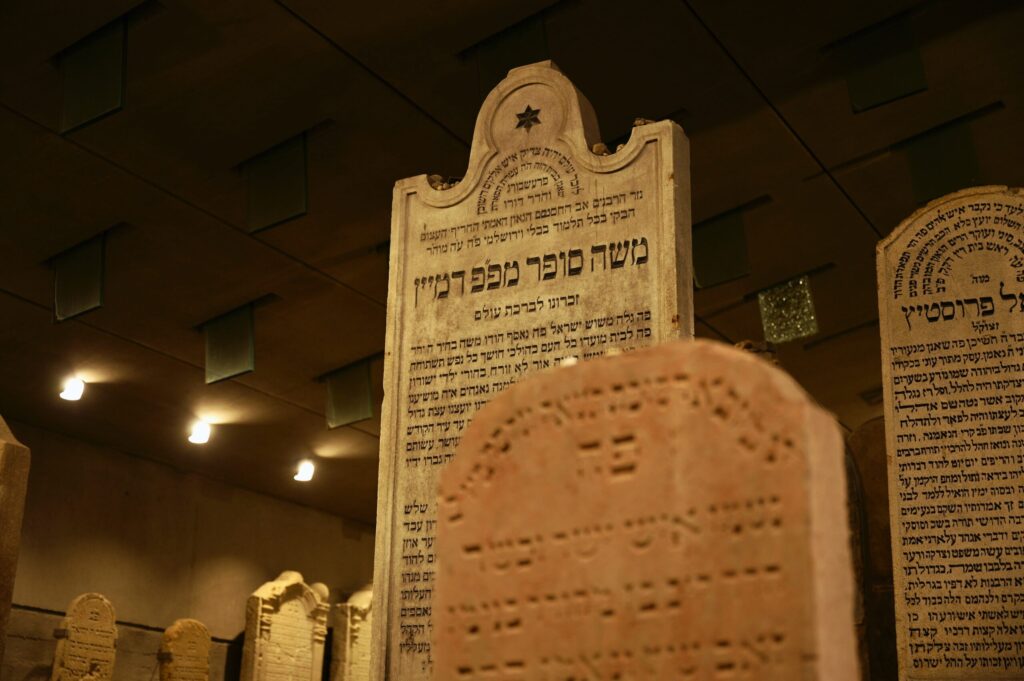
After the end of Ottoman rule, Bratislava lost its status as the capital but remained the coronation city and seat of Parliament until the mid-19th century. In 1805, following the Battle of Austerlitz, the Peace of Bratislava was signed in the Mirror Hall of the Primate’s Palace between Napoleonic France and the Austrian Empire. Four years later, French artillery destroyed much of the medieval town. A fire in 1811 devastated Bratislava Castle and the Jewish quarter on Castle Hill. Despite that, the Pressburg Yeshiva led by Rabbi Chatam Sofer became the most influential yeshiva in Central Europe. In 1848, the last session of the Parliament in Bratislava abolished feudalism in the Hungarian Kingdom, and Bratislava witnessed the awakening of the Slovak identity and culture, as well as the nation’s political demands.
After the collapse of the Austro-Hungarian Empire and the establishment of Czechoslovakia in 1918, Bratislava (called Poszony in Hungarian, Pressburg in German, and Presporok in Slovak) received its current name and was officially integrated into the young republic a year later at the Versailles Peace Conference. During the World War II, harsh persecutions and mass deportations decimated Bratislava’s Jewish community, and parts of the city suffered damage during Allied aerial strikes. Bratislava was liberated from Nazi control by the Red Army in April 1945.
Following the Communist coup in 1948, Czechoslovakia was isolated from the free world, and Bratislava—a historic crossroads of trade routes—was fenced off at key border points with Austria. A memorial for the victims of Communism who were killed while attempting to escape the totalitarian regime now stands under Devin Castle, at the confluence of the Morava and Danube rivers.
In the process of the collapse of the Iron Curtain, people of Czechoslovakia brought down the regime in the so-called Velvet Revolution in 1989. Following the peaceful dissolution of Czechoslovakia, Bratislava became the capital of an independent Slovakia on January 1, 1993. Slovakia has became member of the EU and NATO in 2004, and part of the Eurozone in 2009.
Transportation
Bratislava is easily accessible through the Bratislava Airport (BTS) located in the outskirts (city bus line 61), and the Vienna – Schwechat Airport (VIE) located 60 km (45 minutes via A4/A6 highway) from Bratislava (international buses are operated by FlixBus and RegioJet).
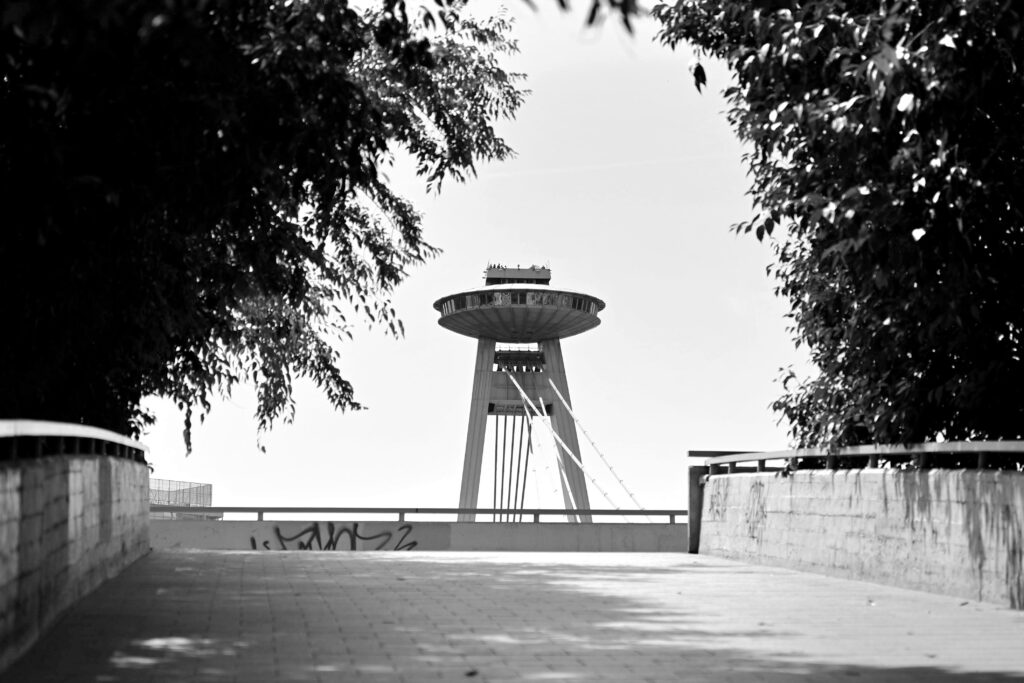
International buses from the airport stop under the “Most SNP” bridge in the city center, and continue to the main bus station called “Mlynske nivy” located in the broader city center (the new downtown). The bus station building is also a large Nivy shopping mall.
Bratislava’s public transportation is operated by a municipal company. It encompasses buses, trolleybuses, and trams. There is no metro in Bratislava. Connections can be found through Google Maps and HOPIN, as well as through a dedicated imhd.sk website.
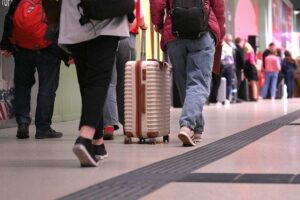
If you need a taxi, we strongly recommend to use HOPIN, a mobile app aggregating certified taxi drivers. Bolt is also available in Bratislava. We strongly recommend not to hail a taxi on the street, especially at touristy places, such as train stations, as it may be extremely pricey. The locals don’t do that!
Bratislava offers convenient parking options including street parking, garages, shopping malls, paid lots, and Park + Ride facilities—see our comprehensive Bratislava car parking guide for full details.
Bratislava is also reachable by the “Twin-City Liner” catamaran speedboat from Vienna (75 minutes), operated by LOD.
Travel tips
What to know before visiting Bratislava?
Slovakia is a European Union and Schengen zone country. Check the Schengen zone visa requirements before you book a trip. The Capital of Slovakia, Bratislava, is easily accessible via Bratislava (BTS) and Vienna (VIE) airports.
What is unique about Bratislava?
Bratislava is a cozy European capital, with a world-class artisan coffee scene and a lively nightlife. It is also the only capital city bordering two foreign countries – Austria and Hungary. Bratislava and Vienna are Europe’s two closest capitals, located only 55 kilometers (34 miles) apart from each other. Bratislava lies on the tip of the Carpathian mountains, and was historically a key crossing point through the Danube river. For centuries, Bratislava served as a coronation city, it was granted privileges by the king and became a free royal city in 1291. The first university was established there in 1465.
How long should I stay in Bratislava?
It is technically possible to walk around the city center and visit some of the main historical sights within a day, but you don’t want to miss a Friday or Saturday night’s atmosphere in the Old Town. Have a nice dinner, a fancy cocktail or a beer, and wander off in romantic cobblestone-covered alleys. There is so much more you can do the next day!
What is the best season to visit Bratislava?
You might want to plan your visit of Bratislava for June to August if hot weather (above 30° Celsius or 86° Fahrenheit) and clear blue sky is what you seek. For those who prefer milder weather, May or September are better options. Finally, if you want to experience one of the most beautiful and largest Christmas markets in Europe, do visit Bratislava’s Old Town in December.
Is Bratislava safe for tourists?
Slovakia ranked 27th out of 163 countries in the 2024 Global Peace Index, and 18th in Europe. It ranked among the safest places on Earth in the Safety & Security, Violent Crime, and Homicides categories. Slovakia was listed by Numbeo among 15 safest countries in Europe, just above Portugal and Norway. In general, Bratislava is considered a safe place, but, as in other major cities, it is advisable to be aware of the possibility of pickpocketing and petty crime in touristy and crowded areas, and avoid micro-locations that could be riskier during the night (Obchodna, Kopcany, Slovnaftska, Vlcie Hrdlo, Pentagon).
What is the best area to stay?
As most sights are located in the Old Town, and this area is also the center of the nightlife with a great variety of restaurants, pubs and clubs, staying in the walking distance makes sense from the logistical point of view. At the same time, most of the more remote neighborhoods are not considered dangerous, accommodation can be cheaper there, and public transportation to the city center accessible. The choice is yours.
Is Bratislava walkable?
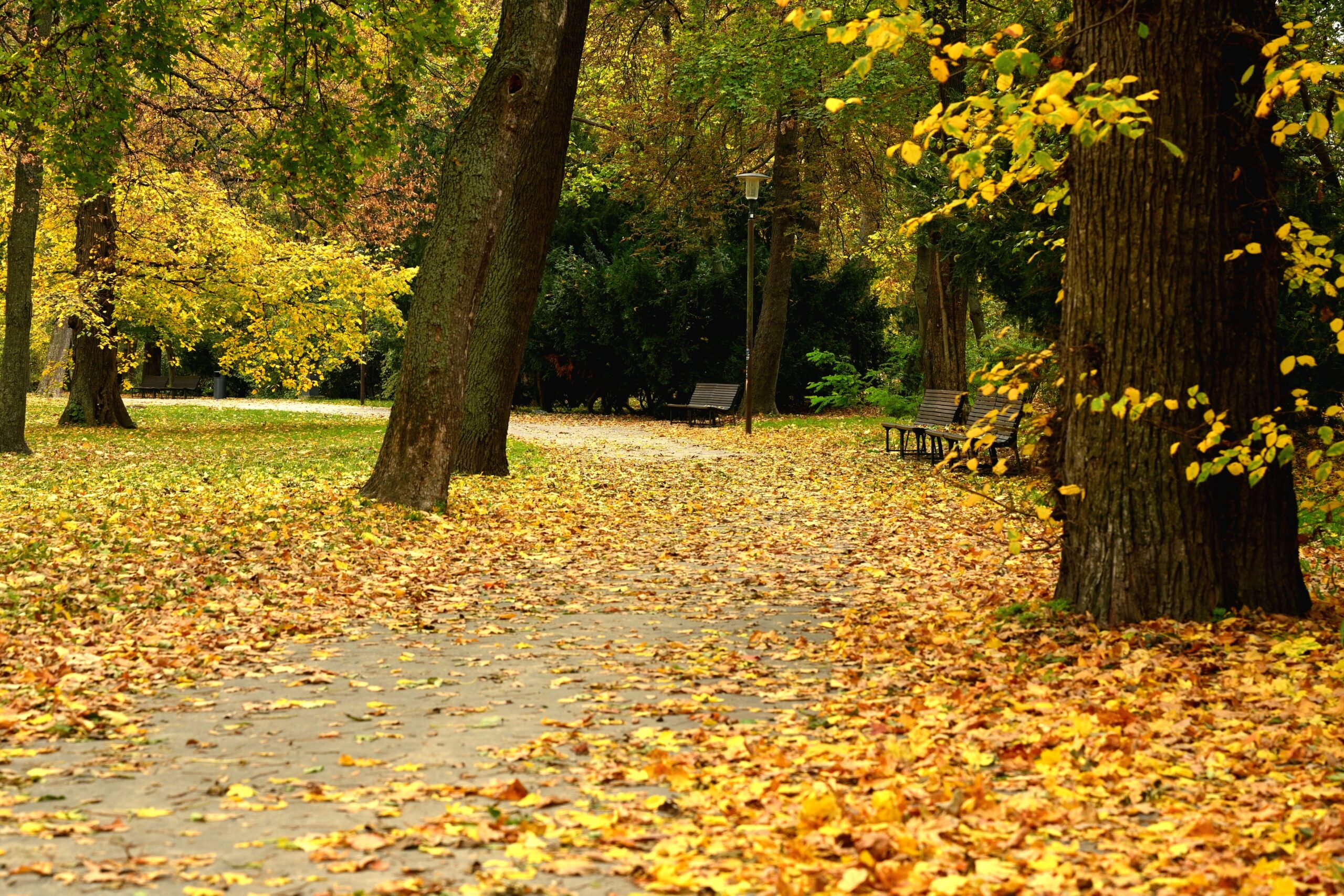
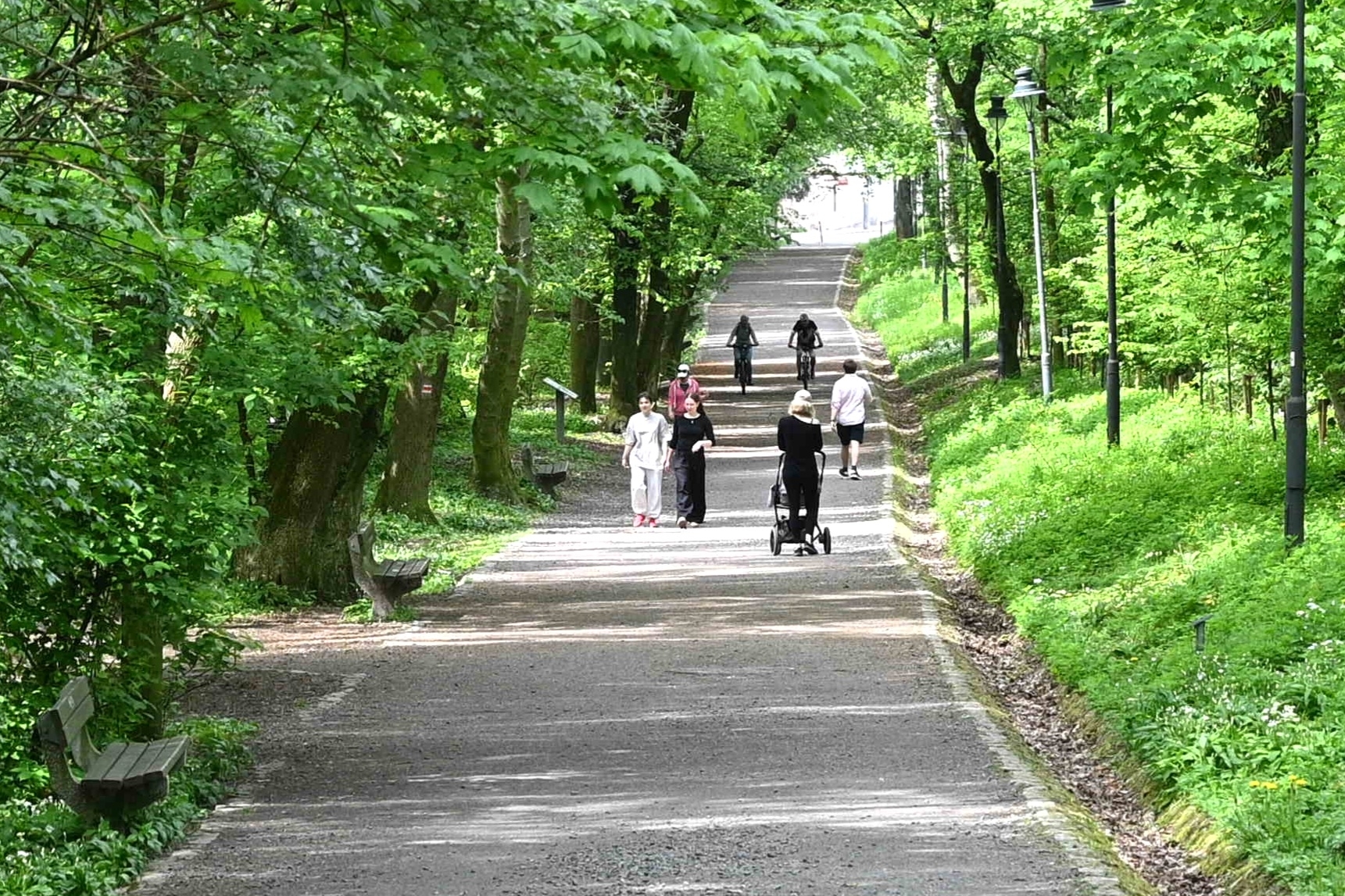
Walking in the historic Old Town, along the Danube waterfront, or in the municipal forest, is a popular activity among locals. Take it easy and stop by in one of the numerous cafés Bratislava can offer. Most of the city’s historical sights, museums and fine arts galleries, shopping malls, as well as many nice restaurants and microbreweries are within the walking distance from each other.
Can I pay in euros in Slovakia?
Slovakia is a Eurozone country and Euro is the official currency. Although major credit cards and contactless payments are generally accepted, small amounts of cash can be useful from time to time. Although tipping is not obligatory, it is expected. Rounding or giving extra 5-10% is considered appropriate. It is not always possible to tip by increasing the total amount when paying by card. For those occasions, having some cash in your pocket can be useful.
Is Bratislava expensive?
Are shops open on Sunday?
Major shopping malls and grocery stores, as well as many cafés and restaurants are open on weekends. Smaller shops might be closed on Sunday, especially in the afternoon. Museums are usually closed on Monday.
What language is spoken in Slovakia?
Slovak is the official language in Slovakia. It belongs to the West Slavic language family, together with Czech and Polish. English is the most spoken foreign language, but a number of people also speak German.





Video
Explore more
Go off the beaten path, discover hidden gems, extraordinary things to do, and personalize your vacation according to your preferences. Our carefully prepared lists and itineraries will help you navigate through available options and get most out of your stay in Bratislava.
- Top 10 in Bratislava
- Best of Gastronomy in Bratislava
- Most beautiful Vistas in Bratislava
- Best Walks in Bratislava
- Finest spots for Art and Culture in Bratislava
- Most popular Sights in Bratislava
- Best Shops in Bratislava
What are the best vegan restaurants, burger places and clubs in Bratislava? How to plan the most romantic Christmas vacation? Where are the most beautiful city gardens and what adventures can you experience in Slovakia’s capital?
Let’s go beyond the usual tourist spots, and plan a truly unique visit!