
Waterfront
The Danube’s Promenade
About
The Danube is the second-largest river in Europe, connecting 10 countries, from Germany’s Black Forest to Ukraine’s Black Sea delta. It has shaped Bratislava’s history for centuries, serving as a trade route, imperial frontier, natural defense line, and a source of food.
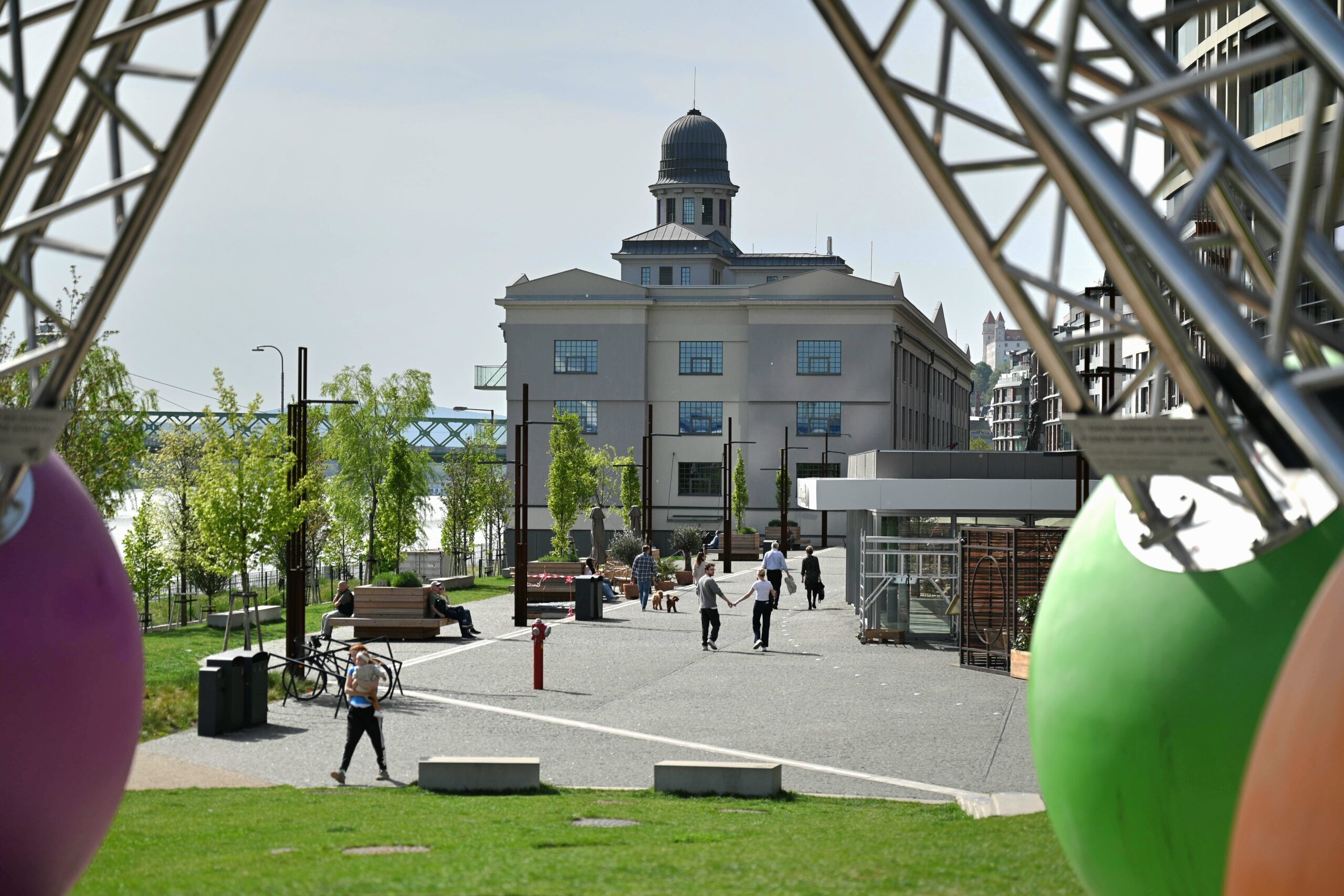
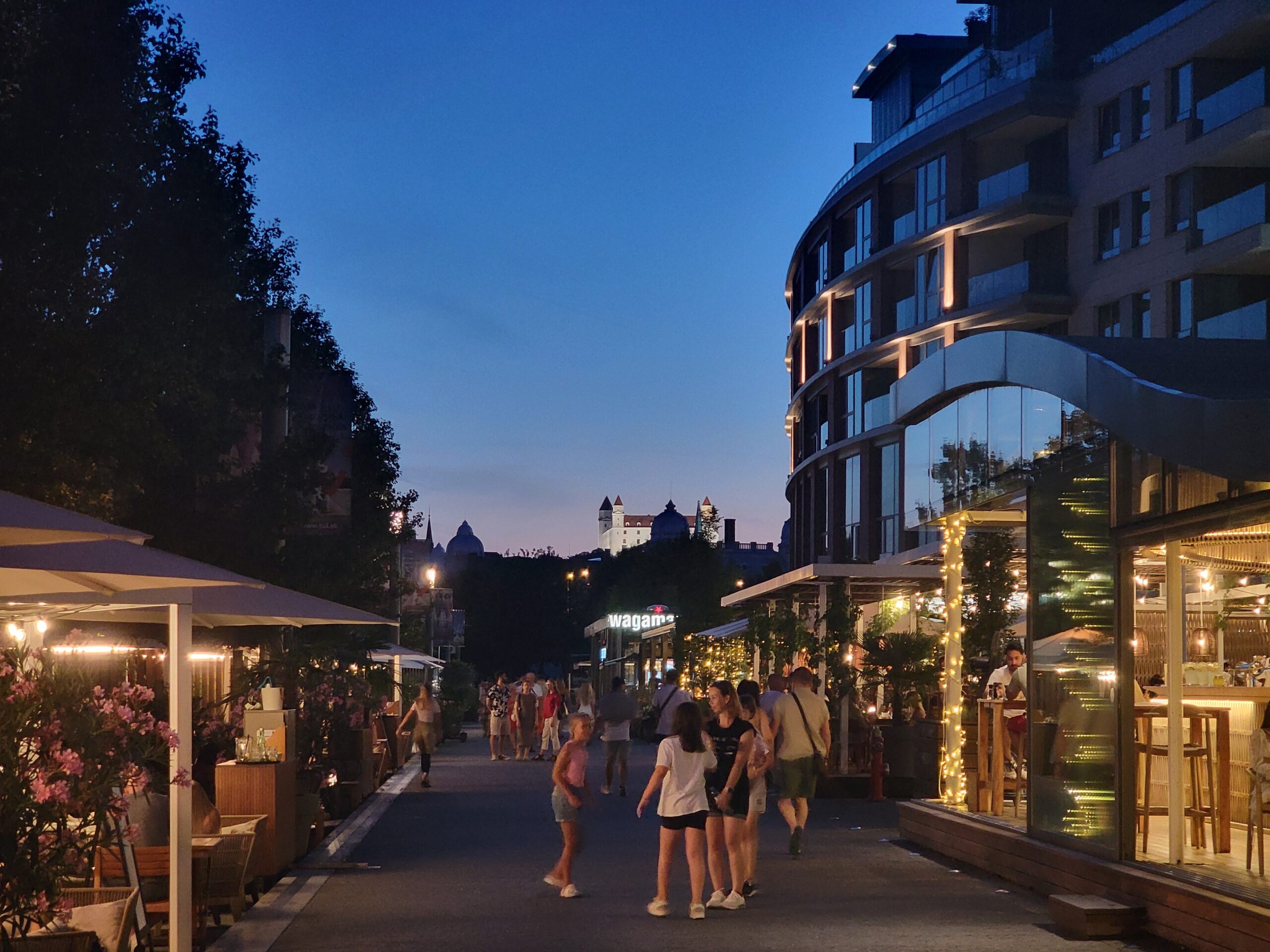
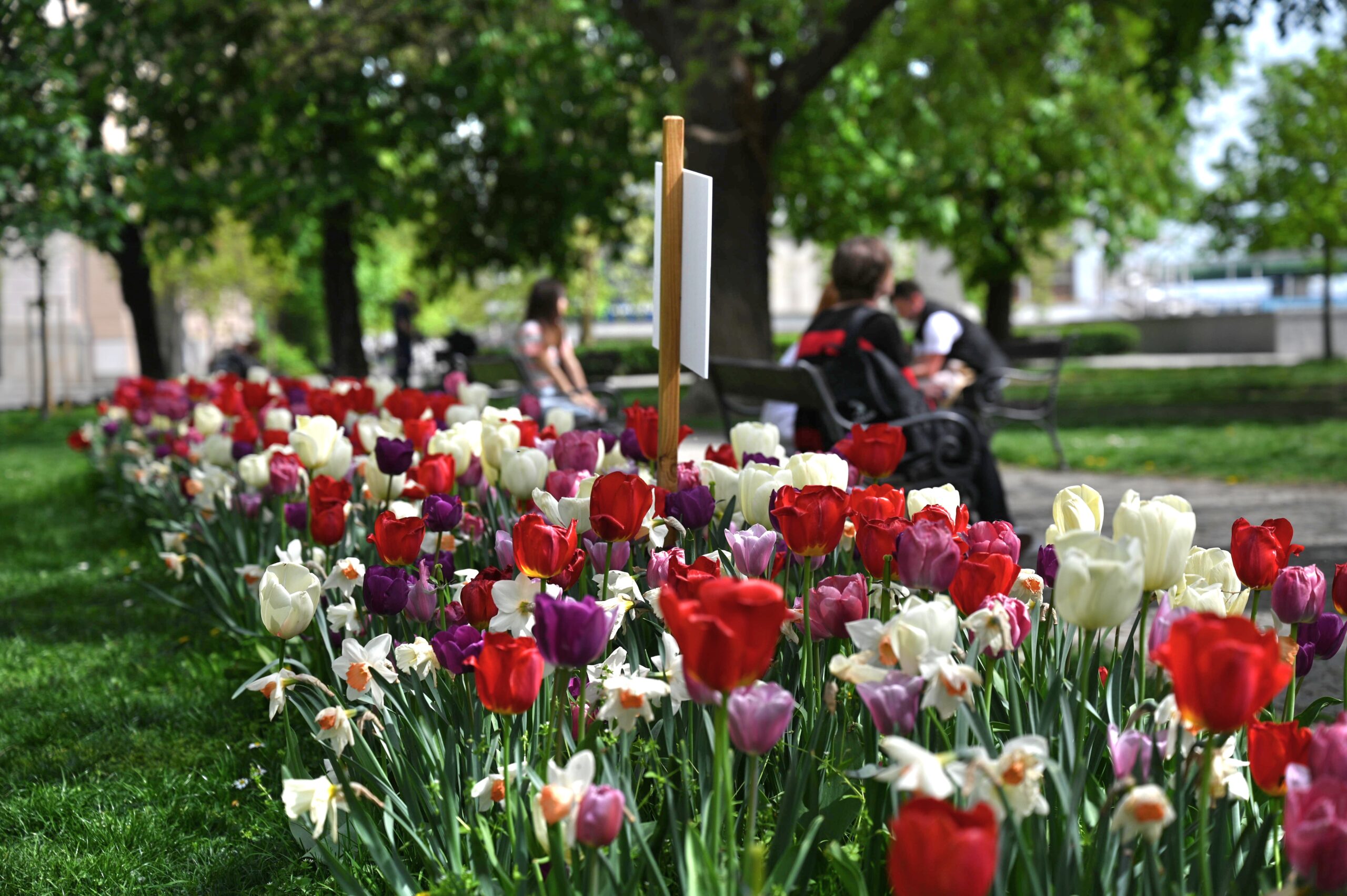
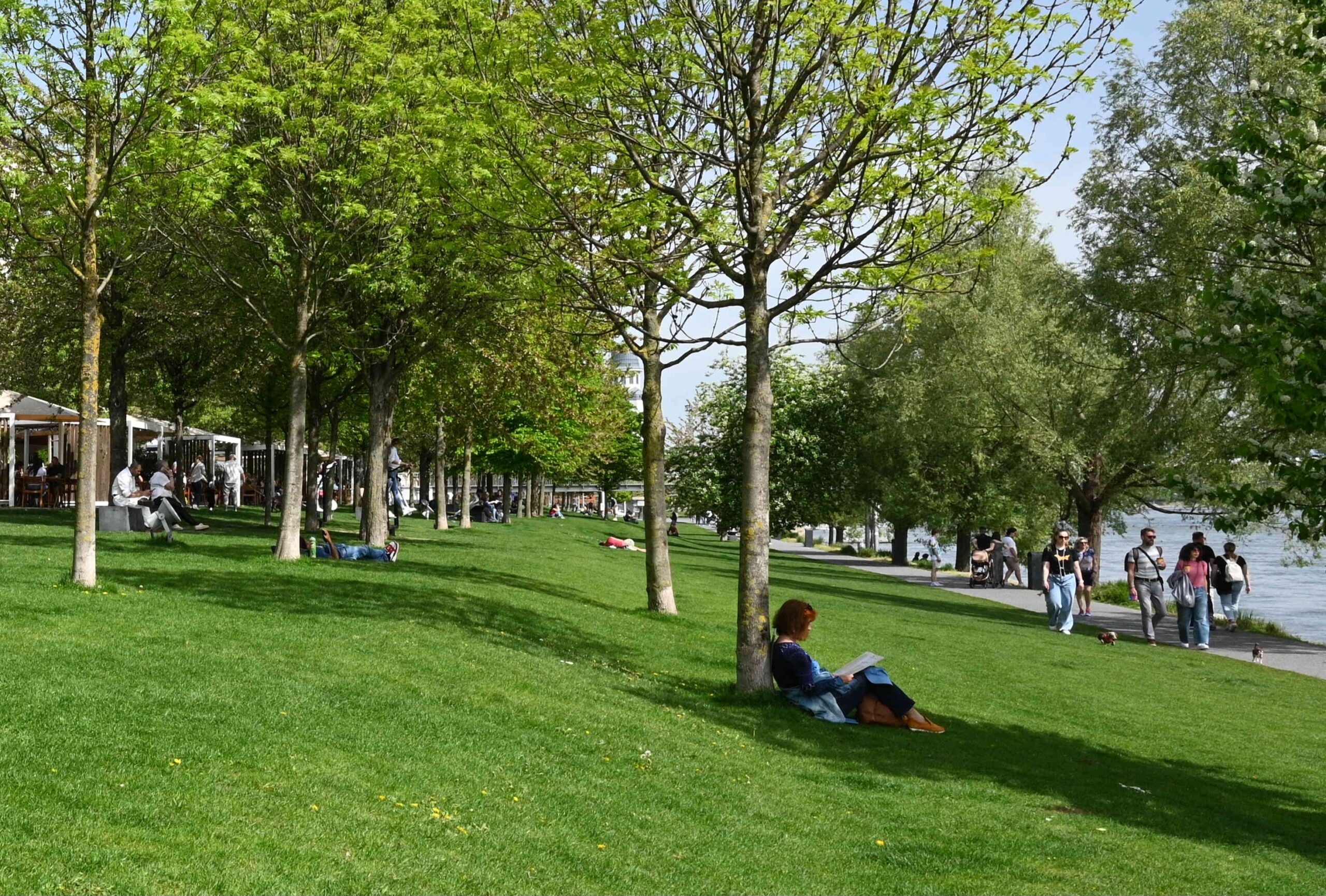
The northern (left) riverfront promenade is a vibrant public space for both locals and visitors, serving as a meeting point, recreational hub, shopping area, and gateway to the Old Town’s treasures. With green spaces, shops, restaurants, and cafés, it offers everything needed for relaxation.
The most popular stretch of the promenade spans 1.6 km (1 mile), from the eastern edge of the Eurovea zone to the SNP (UFO) Bridge, which provides a convenient entry to the Old Town. Beyond this segment, the promenade continues up to the Lanfranconi Bridge, where it transitions into a scenic outdoor trail.
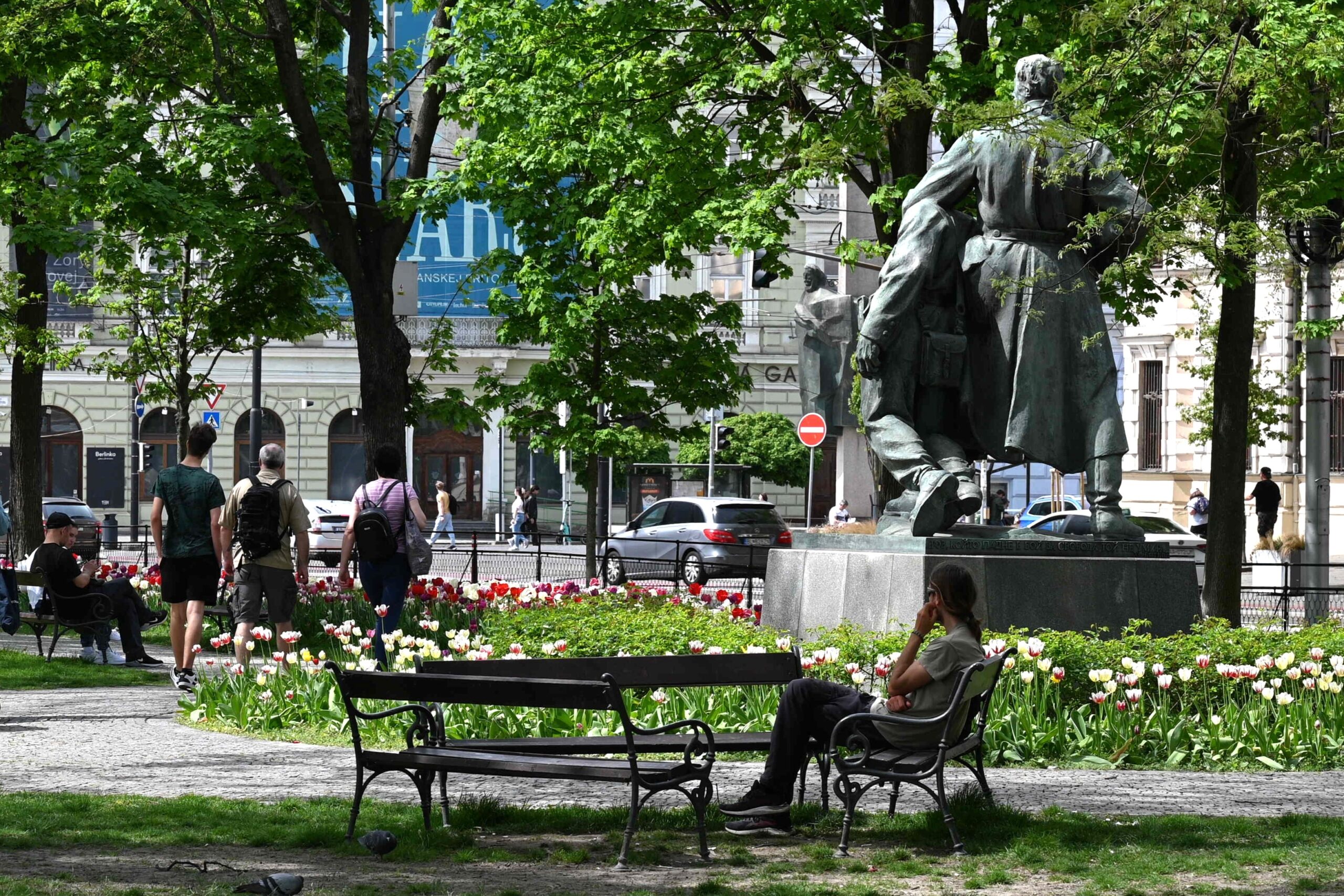
At Eurovea, the promenade is lined with terraces of upscale restaurants, as well as green spaces where people can relax on sunny days. The statue of General Stefanik, one of Czechoslovakia’s founding fathers, proudly dominates the square that divides the mall into two sections, and opening it towards the Slovak National Theatre. From there, the riverfront continues past three magnificent 20th-century buildings: the Philosophical Faculty of Comenius University, a 120-year-old engineering secondary school, and the Slovak National Museum.
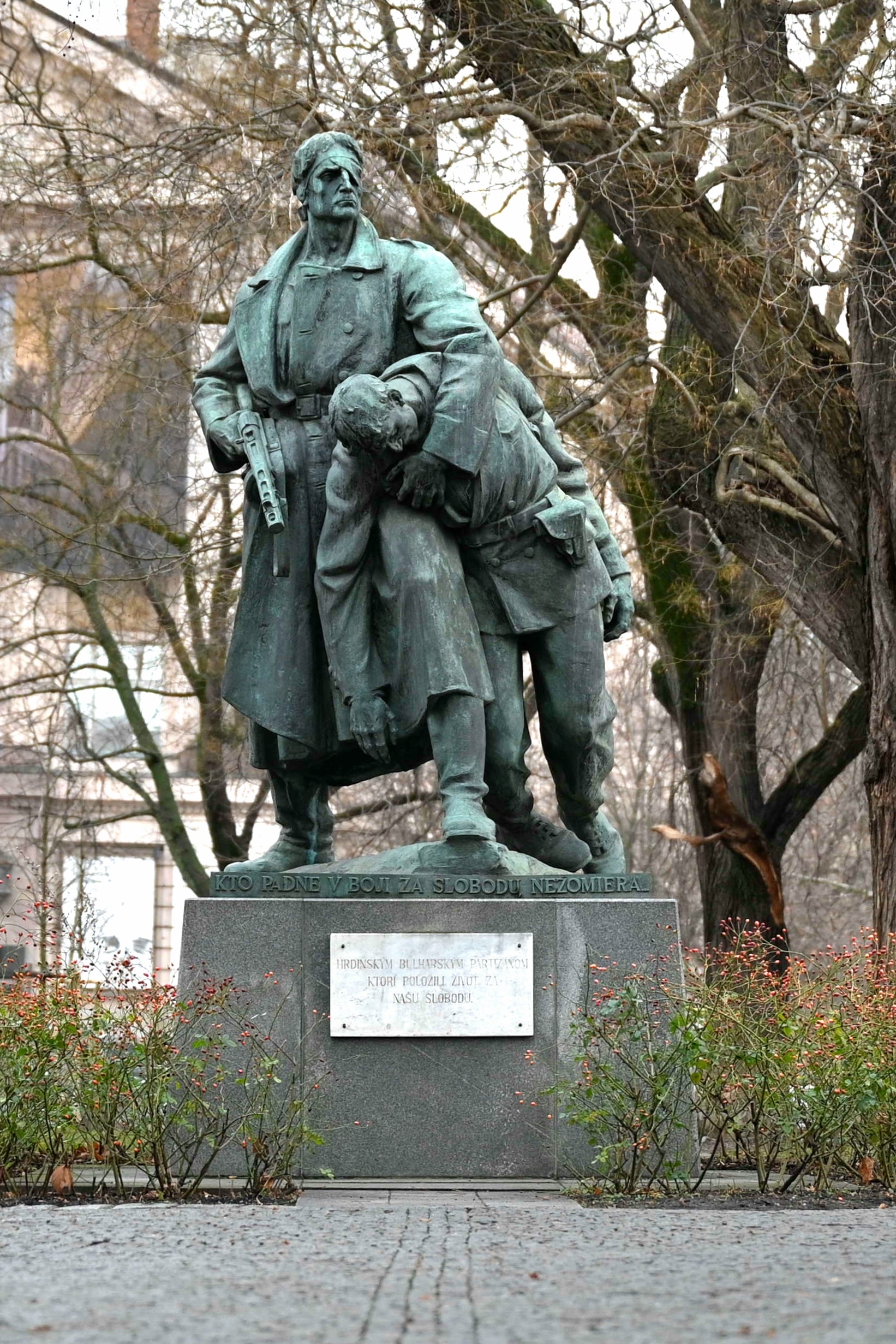
The promenade continues along a small park featuring a memorial dedicated to Bulgarian partisans during World War II and a bench dedicated to Vaclav Havel, President of Czechoslovakia after the fall of the Communist regime. Further west, you can visit the Tomb of the unknown soldier, a small memorial that serves as a place for official commemorations of those who lost their lives in defense of their homeland.
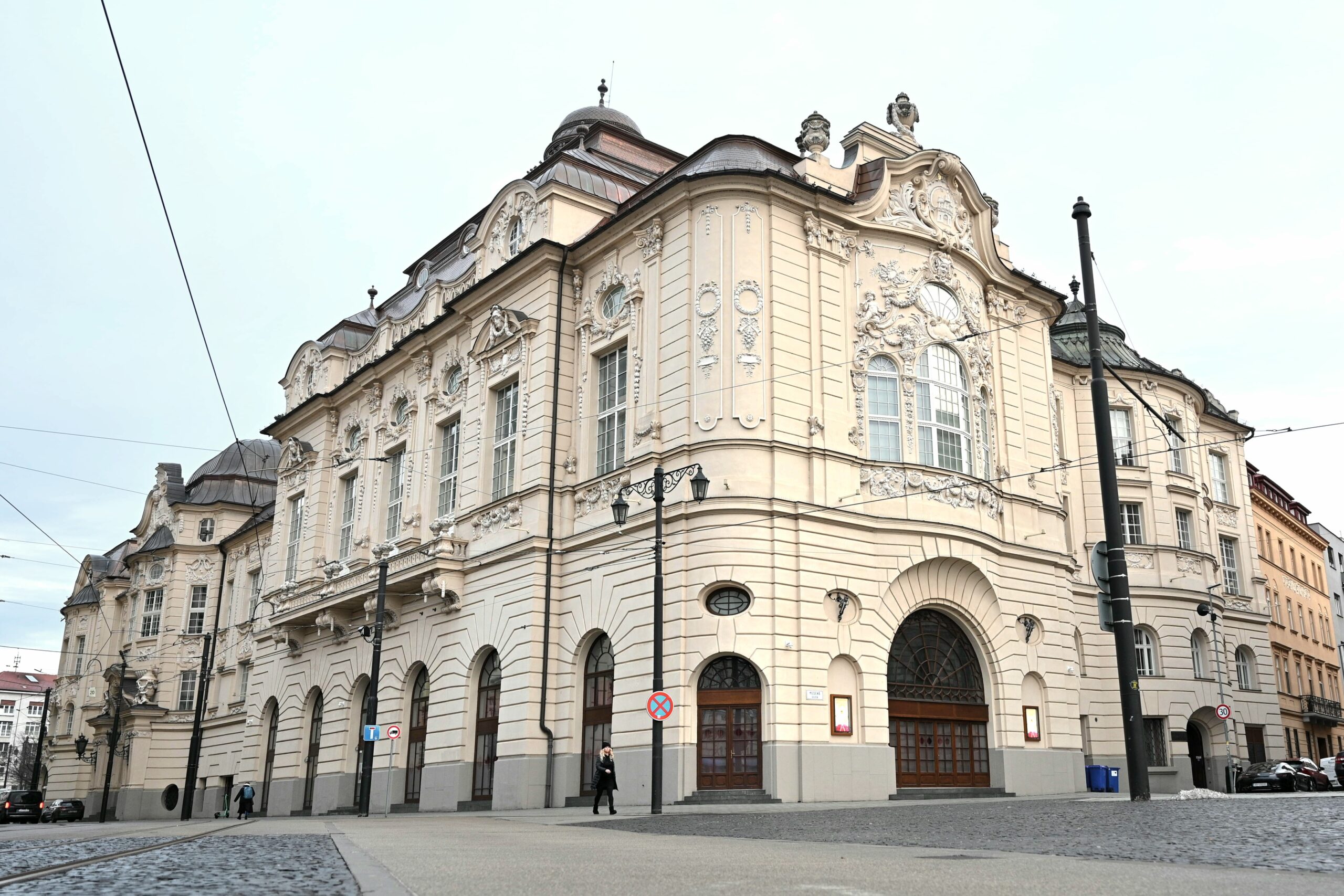
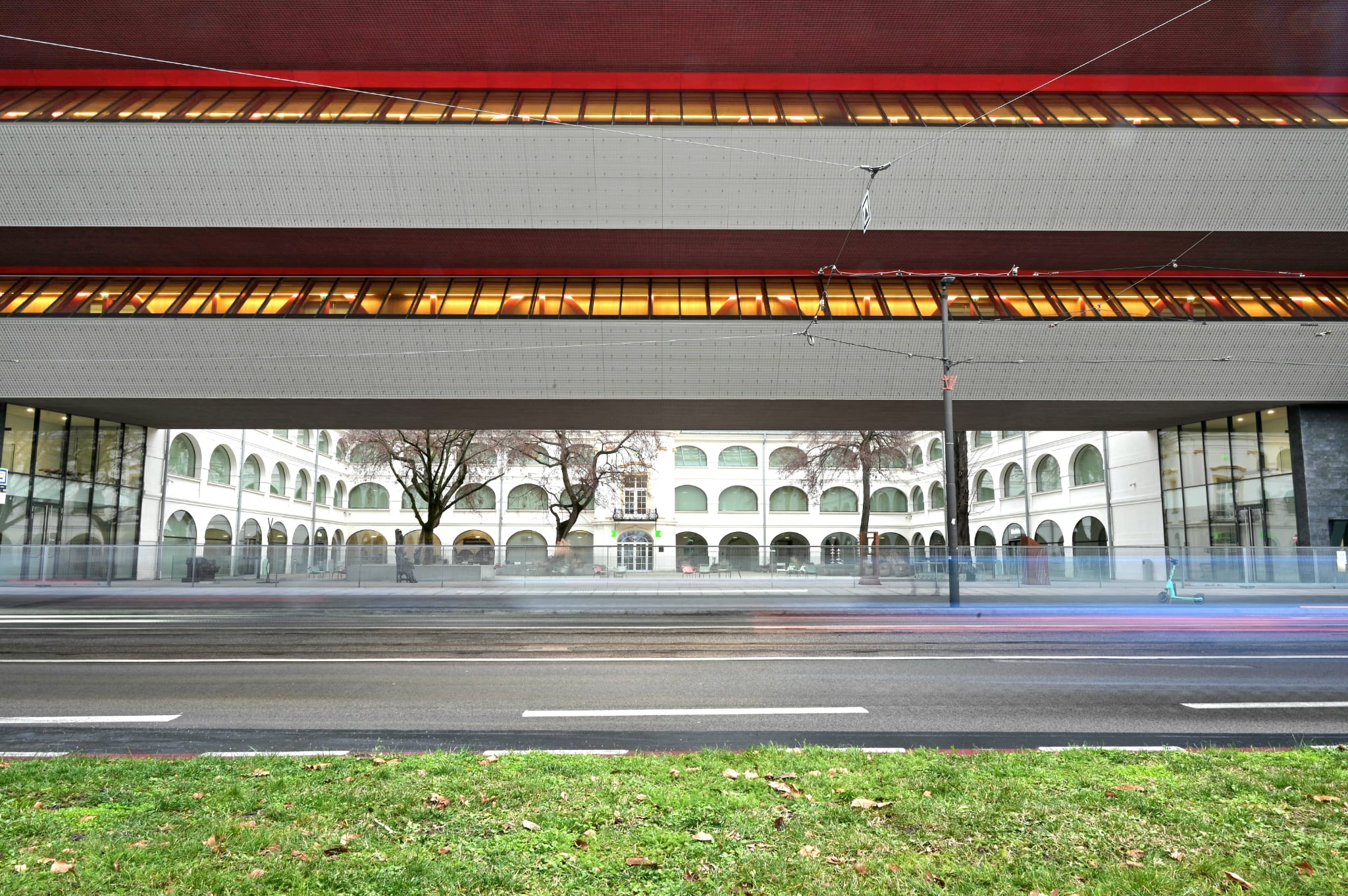
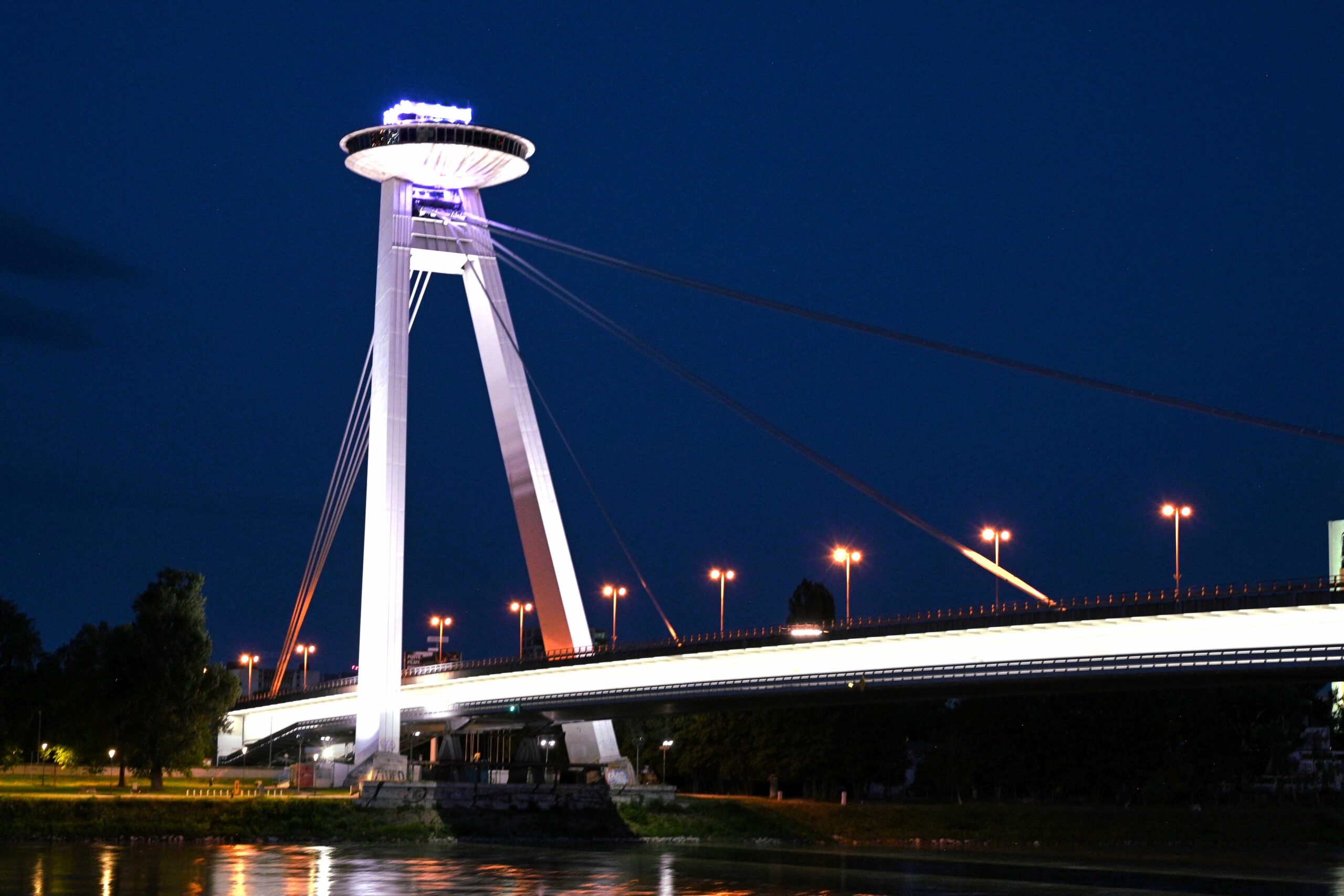
At the point where the Old Town opens up toward the river, two flagship cultural institutions dominate Stur Square: the Slovak National Gallery, housed in the 18th-century Esterházy Palace and Water Barracks, and the Slovak Philharmonic, located in the early 20th-century Reduta building. From the SNP Bridge, you can cross the Danube to visit the UFO observation deck and restaurant, and explore the river’s right side.
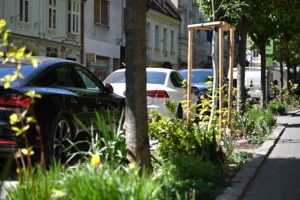
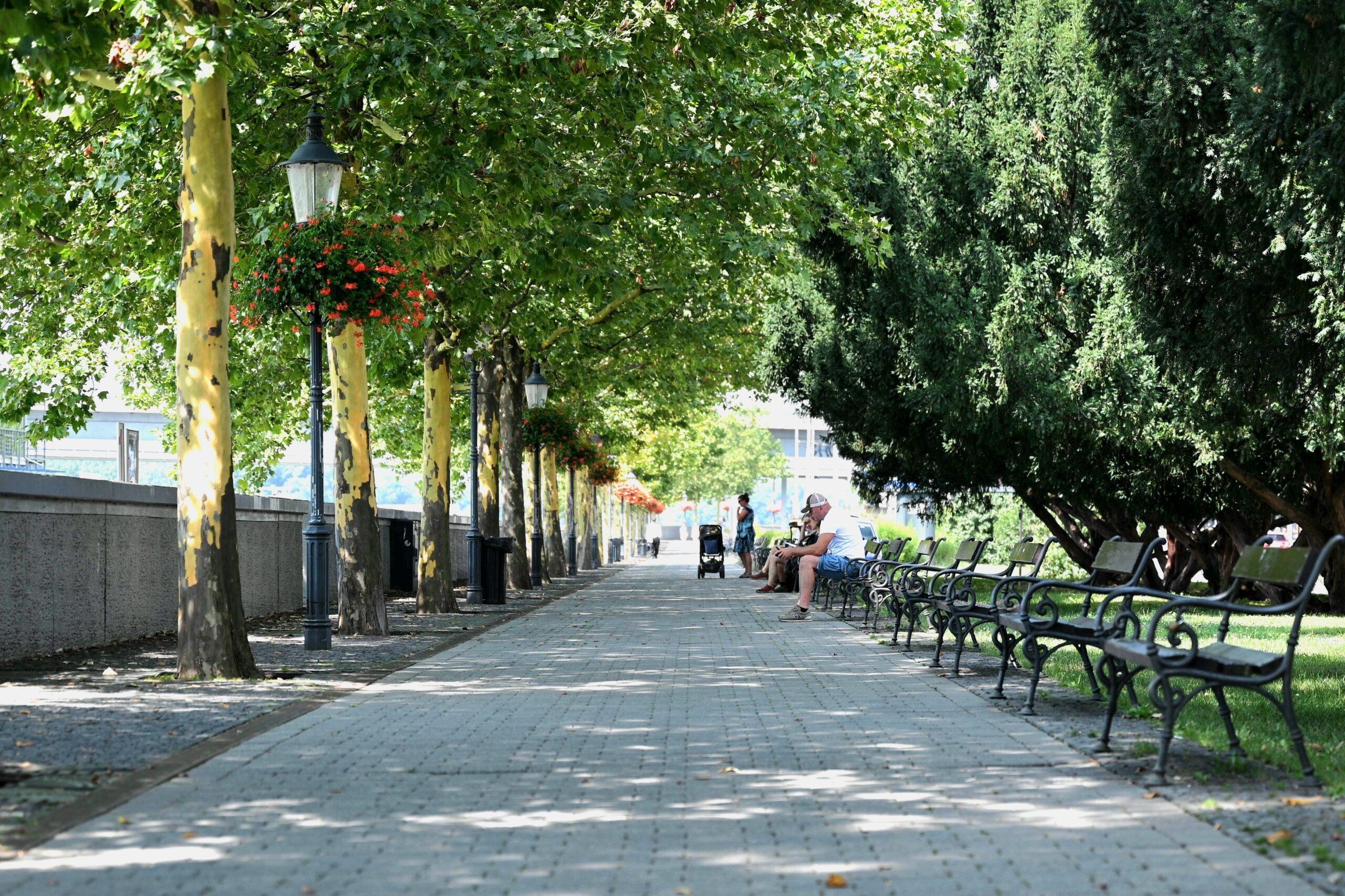
Between the SNP Bridge and the Riverpark building complex, the riverfront is lined with trees, equipped with benches, and less crowded. This segment offers a peaceful space for relaxation and provides a pleasant route to the Chatam Sofer Memorial, the remains of an old Jewish Orthodox cemetery with graves and gravestones of Bratislava’s Rabbis.
Logistics
- Nábrežie, Bratislava
- Non-stop
- Free of charge
- Watch out for passing cyclists and runners.
Tips
Nearby restaurants
Eurovea is a vibrant dining destination, offering countless opportunities to eat, drink, and relax. From quick bites at fast-food outlets to upscale restaurants with stunning river views, and from ice cream shops to cozy coffee spots and lively bars, there’s something for everyone. Visit the SNG café where you can enjoy your daily coffee, a glass of wine, or a light snack, or the nearby 2 Zebras. Just a short walk along the quay, you’ll find the iconic Hotel Devin, with its elegant café and a sophisticated French restaurant.
Things to do nearby
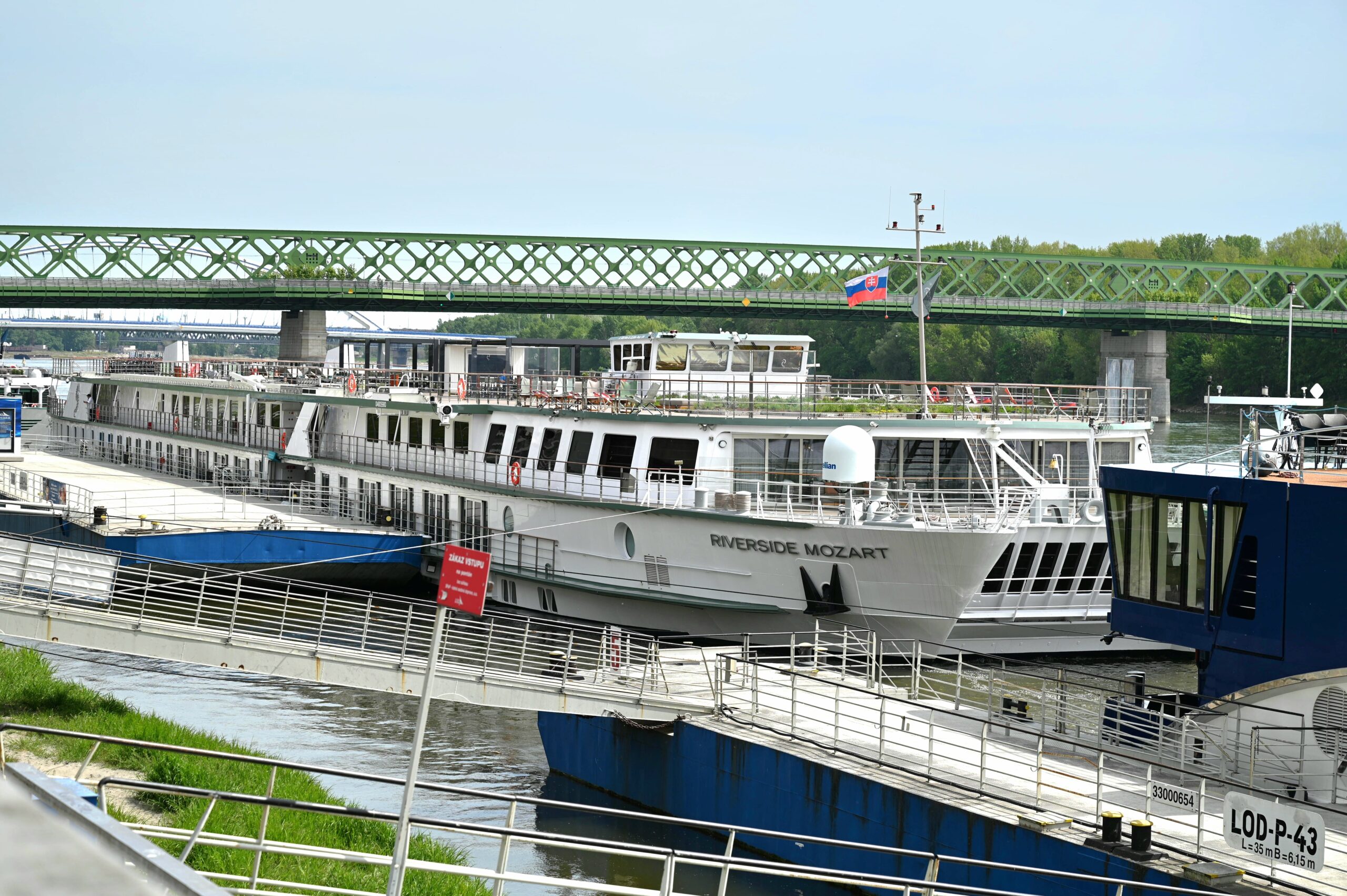
The waterfront provides a pleasant connection between the Eurovea Shopping Center and the Old Town. Along the riverfront, you’ll find three key cultural landmarks: the Slovak National Theatre, the Slovak National Gallery, and the Slovak Philharmonic, offering ultimate art and culture experiences. The path continues to the Riverpark building complex, from which it is just a short walk to the Chatam Sofer Memorial. Although not nearby, the Bratislava Passenger Port serves as your gateway to Devin Castle, as well as Vienna or Budapest.
Slovakia’s largest shopping mall attracts visitors with its unique location right on the riverbank, where you can stroll along the promenade or take a break in one of the restaurants, offering both indoor and outdoor seating options. Be sure to take a selfie with General Stefanik, one of the founding fathers of Czechoslovakia. His statue dominates the square that divides the two parts of the shopping mall, right in front of the new building of the Slovak National Theatre. Similar to other shopping centers in Bratislava, you can use Eurovea’s parking garage free of charge for several hours.
The construction of this stunning eclectic building, blending elements of Baroque, Rococo, and Art Nouveau, was completed in 1919. After World War II, the Reduta was designated as the home of the Slovak Philharmonic, serving as its seat and main stage ever since. The large concert hall, with a capacity of 700 seats, showcases a magnificent Rieger pipe organ installed in 2011 during the building’s general reconstruction. Experience Bratislava through the timeless beauty of classical music performed by one of Europe’s finest philharmonic orchestras!
The Slovak National Gallery (SNG) serves as a gateway to Slovakia’s and Europe’s artistic heritage and contemporary creativity. Its vast collection, encompassing nearly 90,000 artworks, includes remarkable examples of sacred sculptures and paintings from the Gothic and Baroque eras, alongside modern and contemporary pieces. Step into SNG’s freshly renovated main building at the waterfront to explore captivating permanent and temporary exhibitions! The gallery also features a small book shop, a coffee shop, and a cinema hall.
Bratislava features one of the world’s most unique bridges, housing an open-air observation deck and a fancy restaurant atop of its pylon, with a stunning view on the Bratislava Castle and the Old Town. Thanks to its futuristic flying-disc shape, it has become known as UFO.
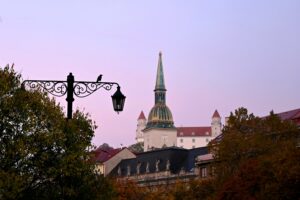
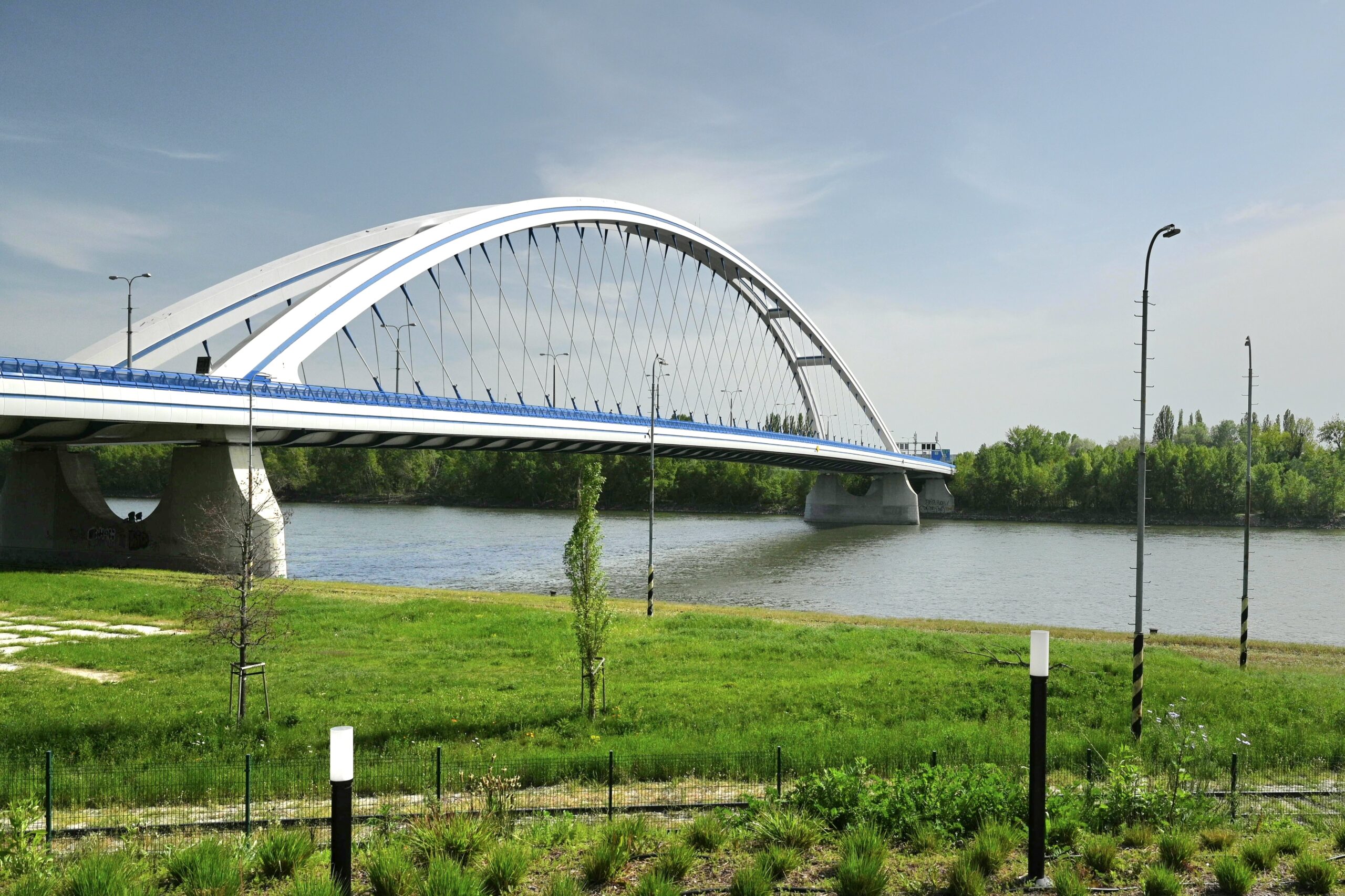
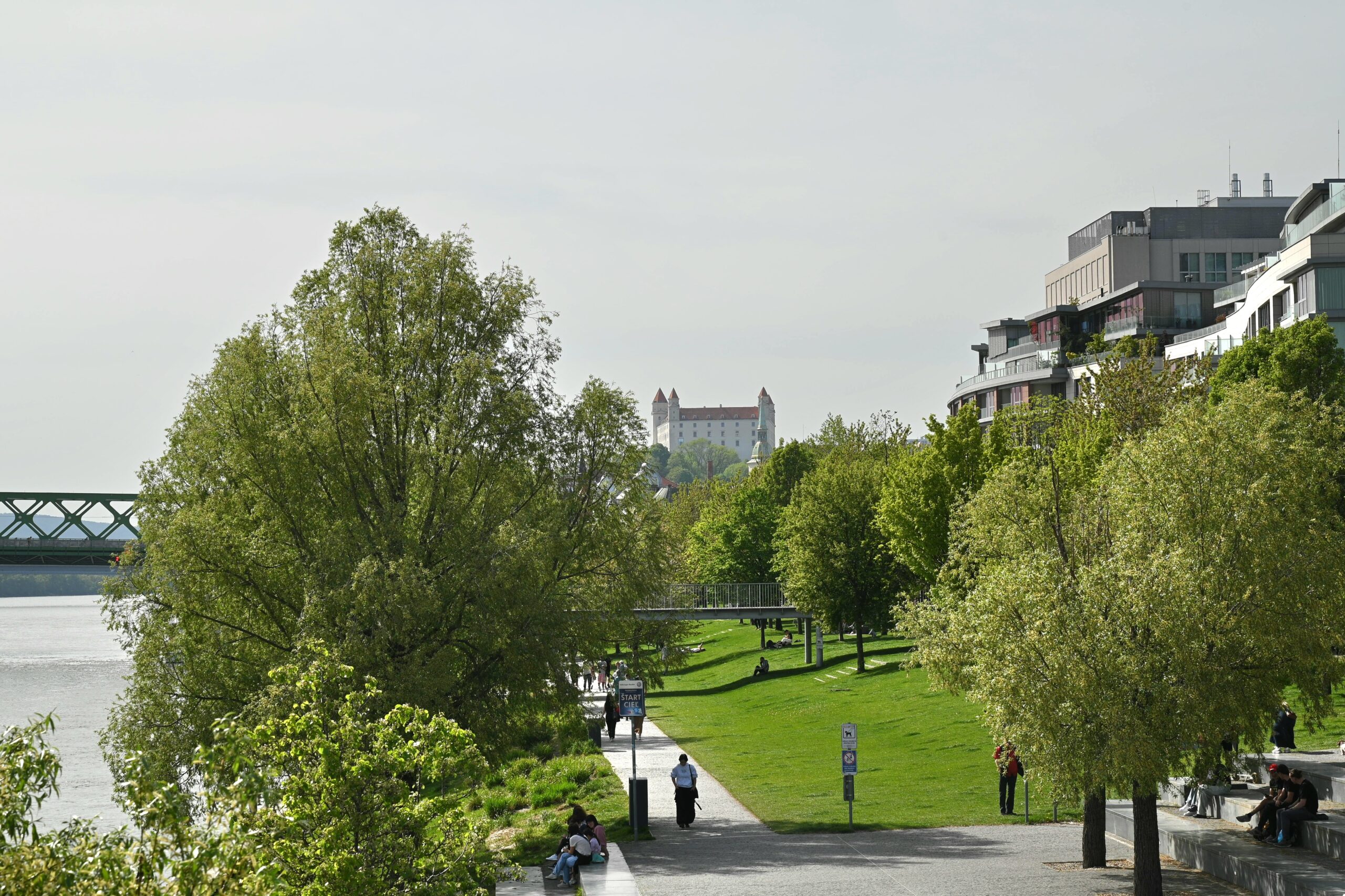
The strip between the SNP ‘UFO’ Bridge and the Old Bridge on the Petrzalka side of the Danube river offers an alternative to the Old Town’s promenade, or an additional loop option. Less crowded in the peak season, with a closer access to the river, and, most importantly, with a nice view of the Castle and the Old Town. Those are Petrzalka Waterfront’s greatest benefits. Also, there are some nice restaurants in this area, including on a boat.
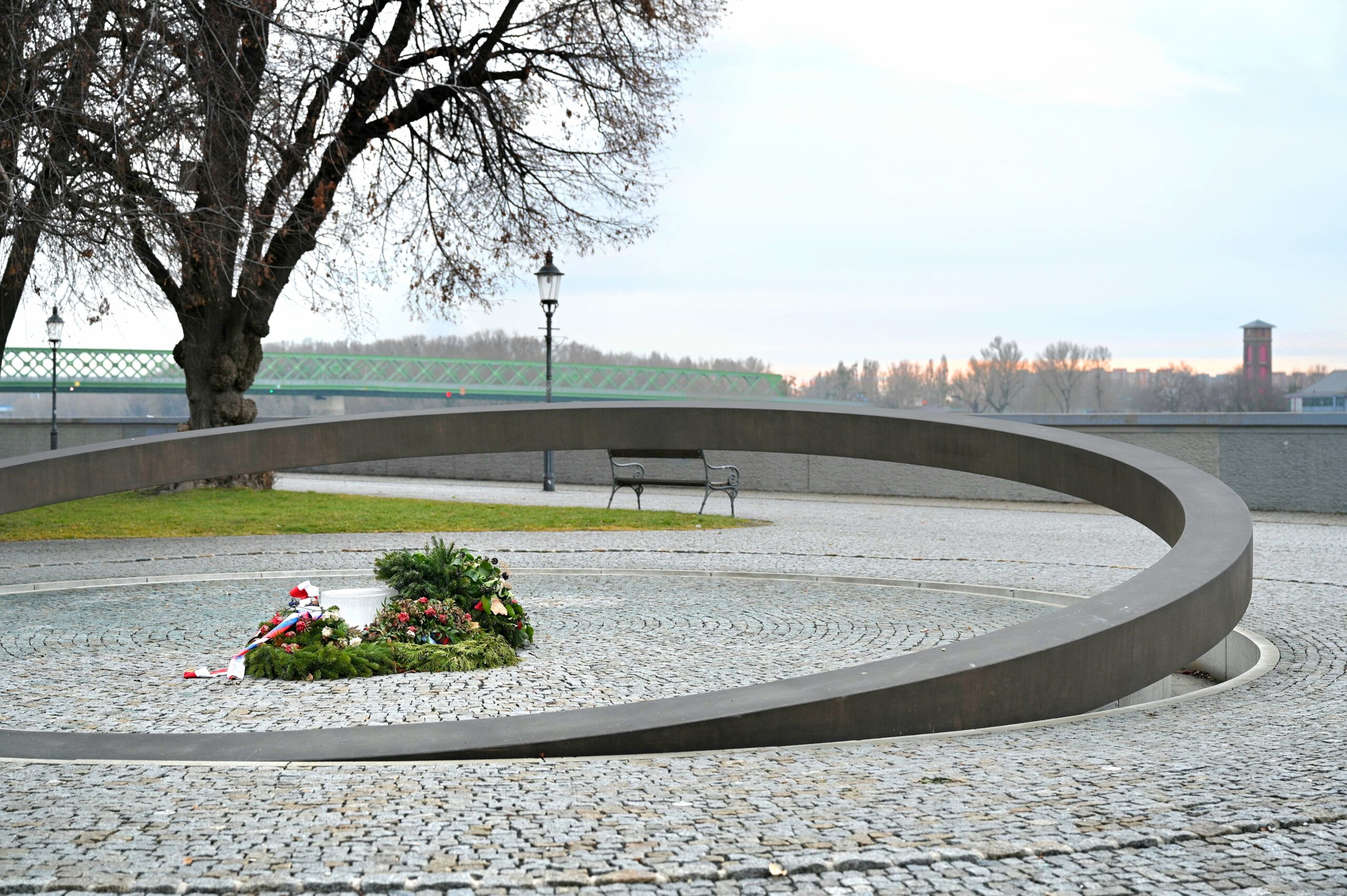
The burial shrine houses 23 graves of prominent Orthodox rabbis and scholars, including Chatam Sofer (Moses Schreiber), the founder of the influential Pressburg Yeshiva and one of the key Jewish scholars of the 19th century. This site represents the most treasured section of an old Jewish cemetery that dates back to the 17th century. In 1942, the cemetery was covered with concrete, but it was restored in 2002 in a new form of the Chatam Sofer Memorial.