
Slovak National Gallery
Country’s largest visual art collection
About
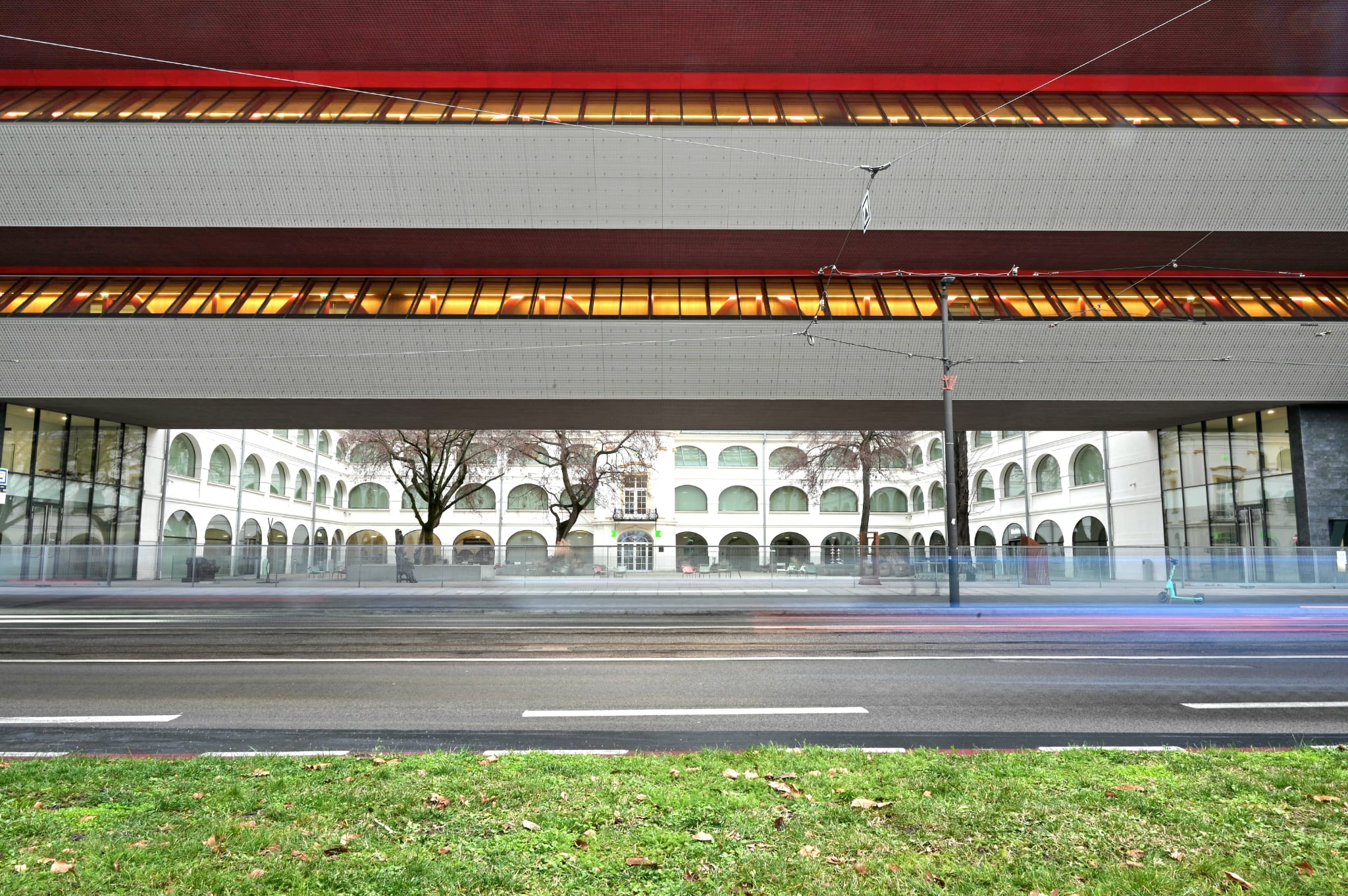
The country’s largest art collection institution, established in 1948, the Slovak National Gallery houses an impressive collection of nearly 90,000 artworks across multiple locations in Slovakia. Its headquarters, situated on the Danube quay, underwent an extensive renovation, which was completed in 2022. The complex includes the Water Barracks, built in 1763; the Esterhazy Palace, completed in 1870; and the iconic, yet controversial, bridge passage that connects the original wings, built in 1977.
Admire the Slovak National Gallery’s stunning collection of sacred sculptures and paintings from the Gothic and Baroque periods, as well as modern and contemporary works. The gallery hosts ongoing, temporary, and experimental exhibitions, alongside a unique exhibition that integrates art with the architectural space of the building. Visitors can also enjoy a small bookshop, a café, and a cinema hall. Whether you’re drawn to historical or contemporary visual art, the SNG is a must-visit destination in Bratislava.
Logistics
- SNG, Bratislava
-
Tuesday – Wednesday
10.00 AM – 06.00 PM
Thursday
12.00 PM – 08.00 PM
Friday – Sunday
10.00 AM – 06.00 PM -
Admission: 9 €
Reduced prices available for students, seniors 60+, and people with disabilities. Children under 15 free of charge. - First Wednesday of the month: free of charge.
- www.sng.sk
Tips
Nearby restaurants
Visit the SNG café on the ground floor, where you can enjoy your daily coffee, a glass of wine, or a light snack. Just a short walk along the quay, you’ll find the iconic Hotel Devin, with its elegant café and a sophisticated French restaurant. In the vicinity of the gallery, Hviezdoslav Square and its surroundings offer a variety of dining options, from fast food to upscale restaurants, bars, and coffee shops. Among them is the beautifully designed Zylinder, which evokes the elegance of Emperor Franz Joseph’s era.
Things to do nearby
Leaving the Slovak National Gallery, you can either enter the Old Town via Hviezdoslav Square and explore its many beautiful attractions, including St. Martin’s Cathedral and the Old Town Hall, or cross the street and enjoy a stroll along the Danube’s waterfront. On the other side of the river, the iconic UFO awaits, perched atop the SNP Bridge’s pylon.
The Danube is the second-largest river in Europe, connecting 10 countries from Germany’s Black Forest to Ukraine’s Black Sea delta. It has shaped Bratislava’s history since time immemorial, serving as a trade route, imperial frontier, natural defense line, and source of food. Today, the riverfront promenade is a lively public space for locals and visitors alike, acting as a meeting point, recreational hub, shopping area, and gateway to the Old Town’s treasures. With green spaces, shops, restaurants, and cafés, it offers everything needed for relaxation.
A sprawling promenade shaded by old trees and lined with numerous bars and restaurants, Hviezdoslav Square is one of Bratislava’s must-see attractions. Beautiful palaces on both sides recall the era when this area was home to wealthy nobility. Notable landmarks include the historic Slovak National Theatre building and the Carlton Hotel, which once hosted prominent figures such as Maria Theresa, Jules Verne, Albert Einstein, Alfred Nobel, Franklin D. Roosevelt, Thomas Edison, and Franz Liszt. The square features several fountains, a grand statue of one of Slovakia’s most significant poets, Pavol Orszagh Hviezdoslav, and various smaller statues. It culminates at Rybne Square with its 1713 Plague Column.
The construction of this stunning eclectic building, blending elements of Baroque, Rococo, and Art Nouveau, was completed in 1919. After World War II, the Reduta was designated as the home of the Slovak Philharmonic, serving as its seat and main stage ever since. The large concert hall, with a capacity of 700 seats, showcases a magnificent Rieger pipe organ installed in 2011 during the building’s general reconstruction. Experience Bratislava through the timeless beauty of classical music performed by one of Europe’s finest philharmonic orchestras!
The Historical Building of the Slovak National Theatre, designed by Vienna-based architects in an eclectic style, first opened its doors in 1886 as a city theater. It became the home of the Slovak National Theatre upon its founding in 1920 and served this role throughout the 20th century. Currently, the building is not in use and awaits much-needed general reconstruction. Despite this, it remains a prominent feature of Hviezdoslav Square, graced by the beautiful fountain depicting the mythological tale of Ganymede.