
Devin Castle
7,000 Years of Human Presence
About
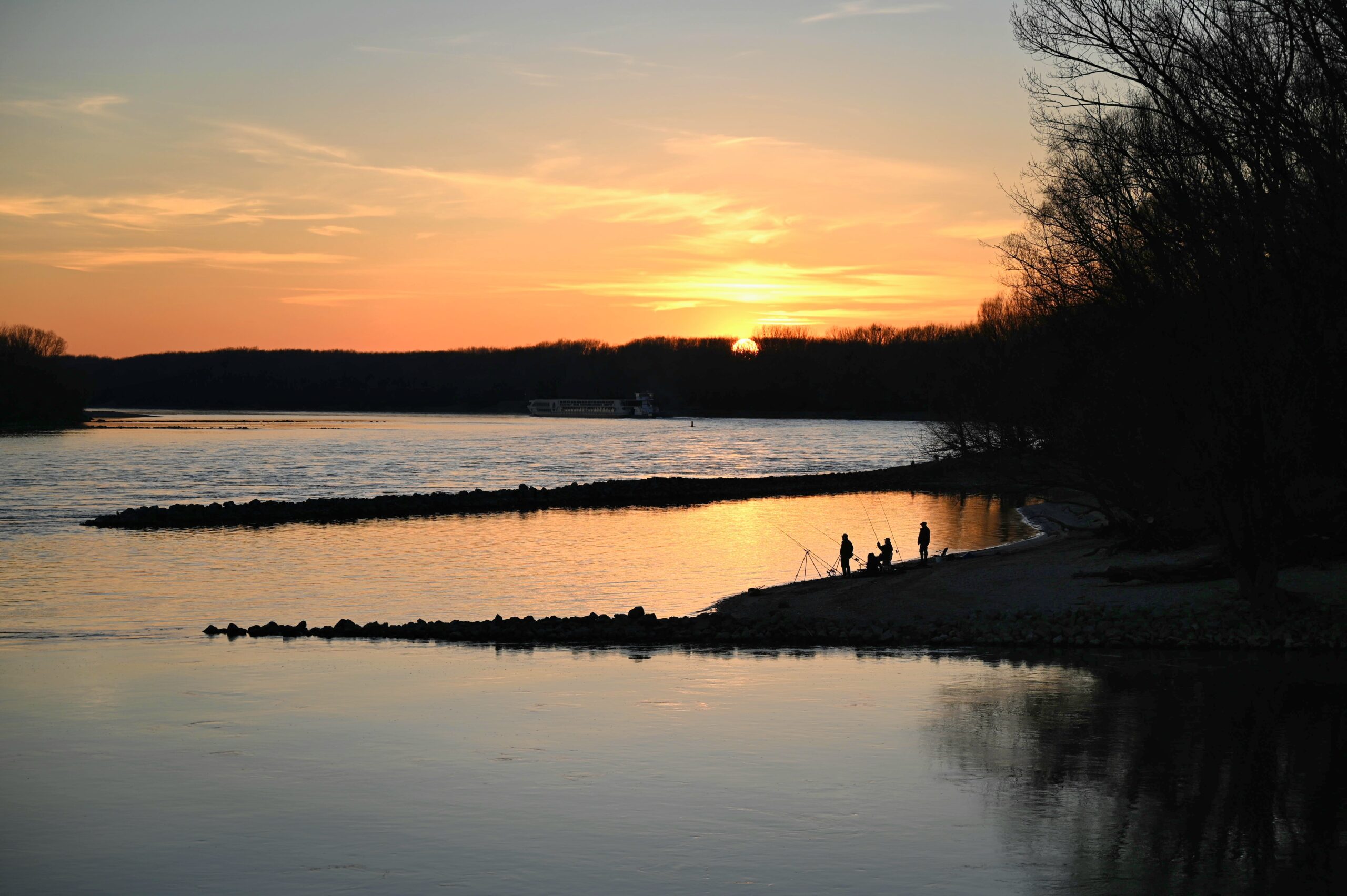
Although the ruins of Medieval Devin Castle, along with remnants of Roman and Slavic structures, rank among the oldest in Slovakia, the site’s history stretches back even further. The rocky hill at the confluence of the Danube and Morava rivers is one of Central Europe’s most significant archaeological sites.
This location was traversed by mammoths and early hominids millions of years ago and has been continuously inhabited for approximately 7,000 years. It played a pivotal role in overseeing the intersection of two major pan-European trade routes: the Amber Road and the Danube Road.
Since prehistoric times, the area’s natural defenses have provided security for its inhabitants. The cliff is bordered to the south and west by the Danube and Morava rivers, and to the north and east by the hills of the Little Carpathians. This strategic position made it an ideal settlement from at least the Paleolithic era. It later became a fortified hillfort for various Bronze Age cultures and the Iron Age Hallstatt and La Tène (Celtic) cultures.
During the height of the Roman Empire, Devin served as an outpost guarding the Limes Romanus. By the 9th century A.D., the Slavs built the so-called Dowina Castle here. It became a vital part of Great Moravia’s defensive network against the Frankish Empire and, alongside Nitra and Bratislava, was one of the key settlements of the Great Moravian Empire. To this day, Devin is regarded as a symbol of the first Slavic state on Slovak territory.
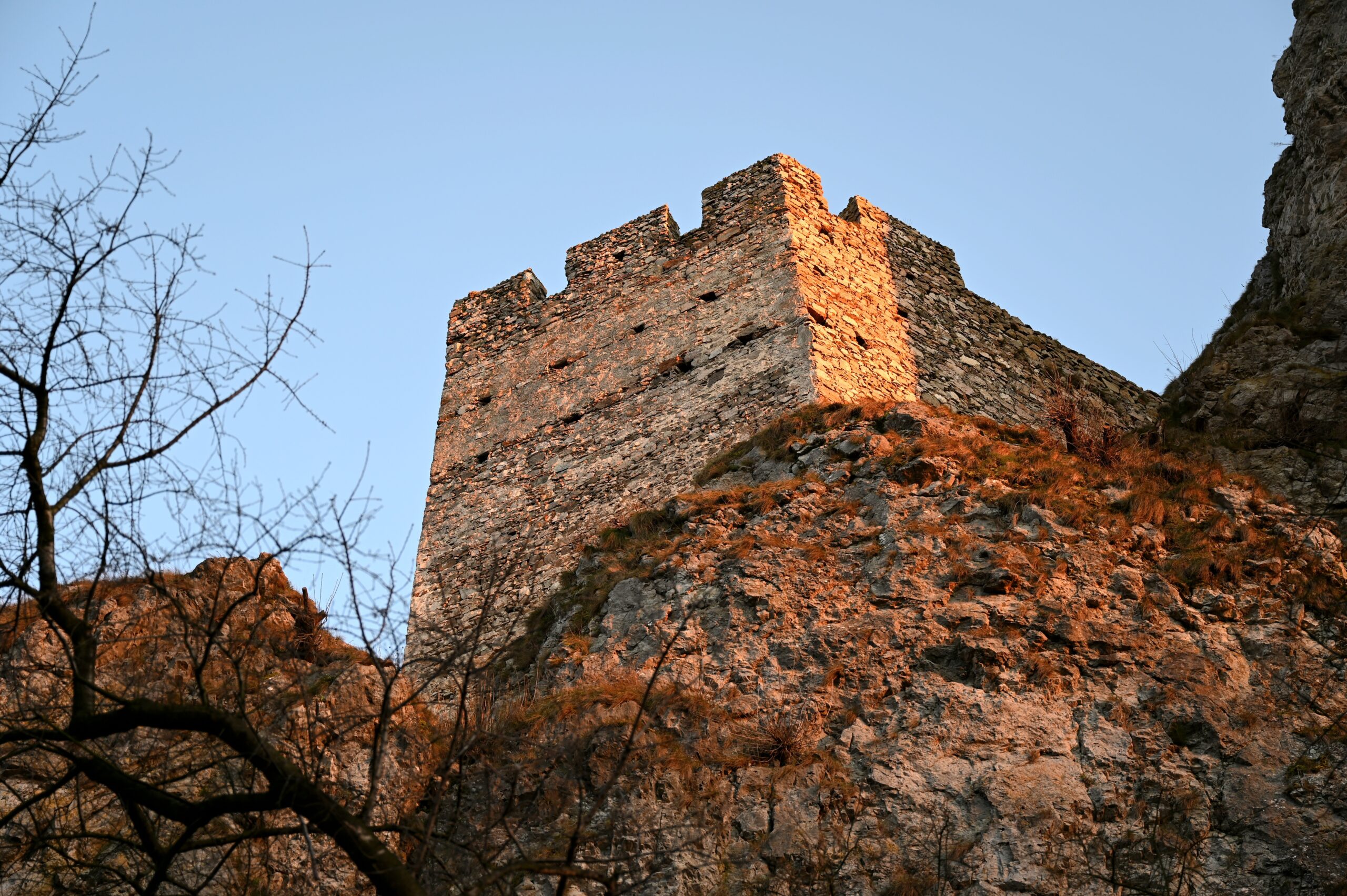
The first written mention of the current castle dates back to 1288 A.D. During the Hungarian Kingdom period, a stone castle was constructed and subsequently upgraded to protect the realm’s western borders. Later, it was repurposed to defend against Ottoman expansion from the southeast. However, as the Ottoman threat waned, the Gothic-Renaissance fortress fell into disrepair and was ultimately ruined in 1809 by Napoleonic forces, despite having lost its military significance by then. In the 19th century, Devin Castle became a gathering place for leaders of the Romantic intelligentsia and a symbol of Slovak national identity.
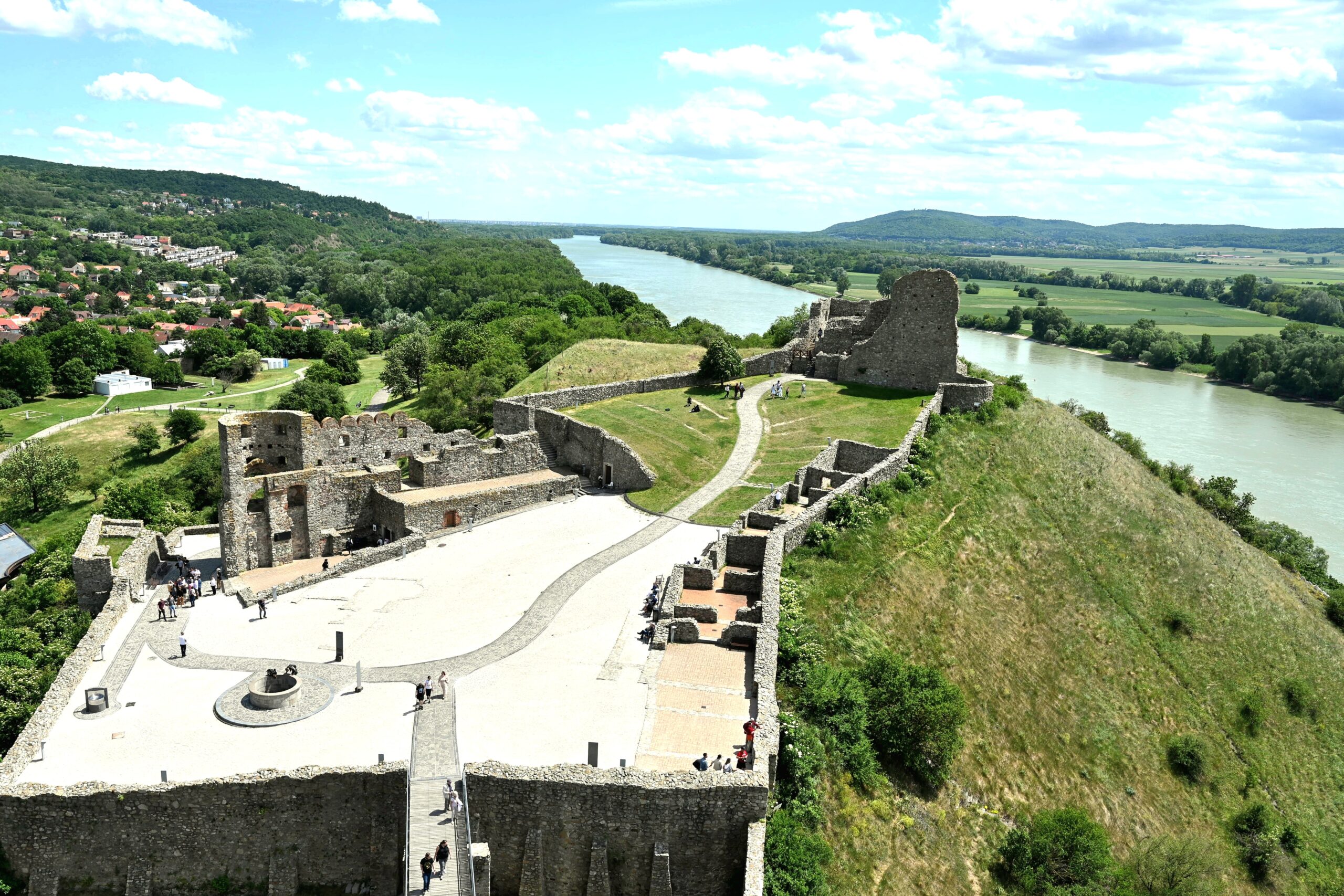
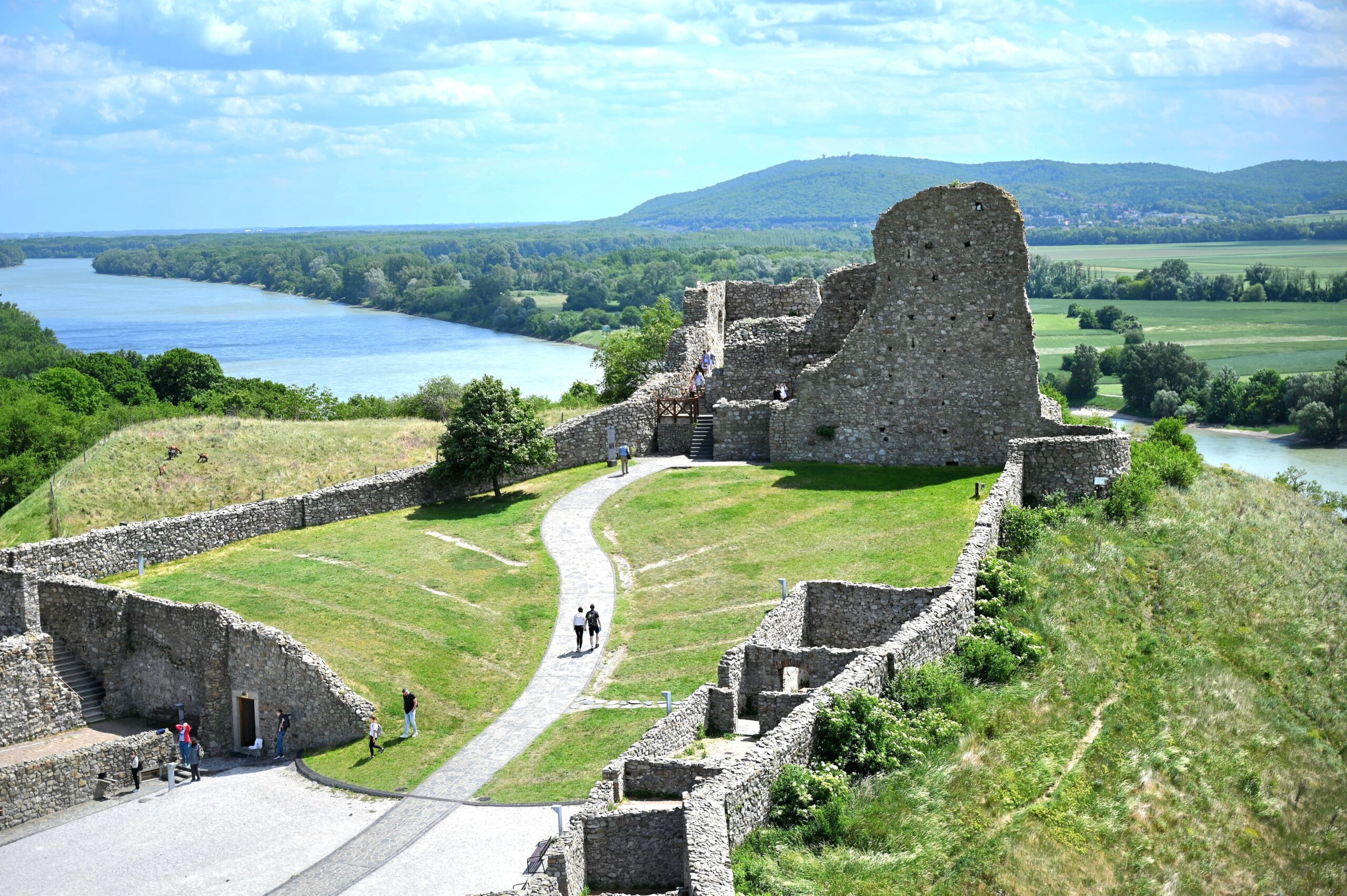
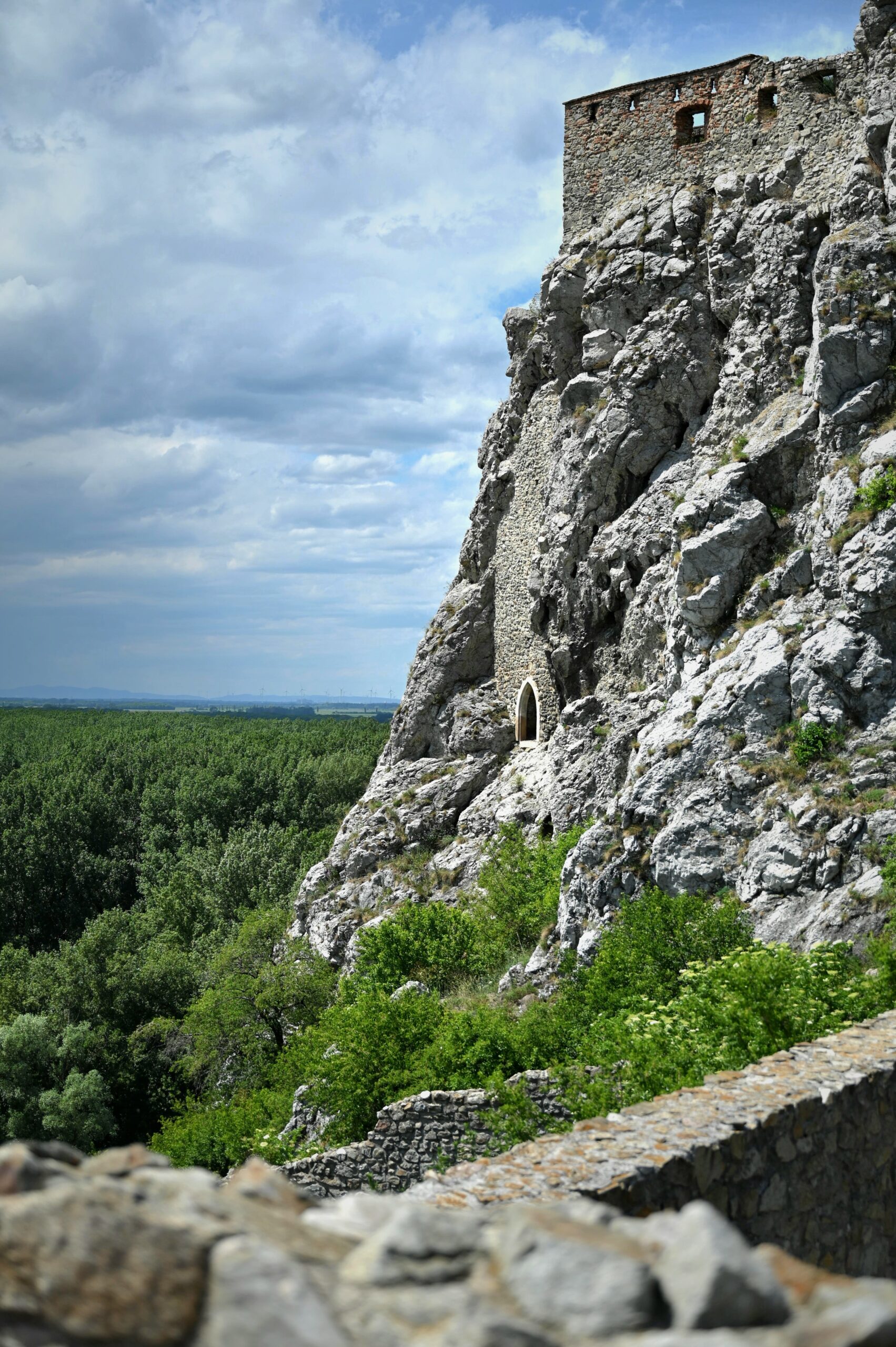
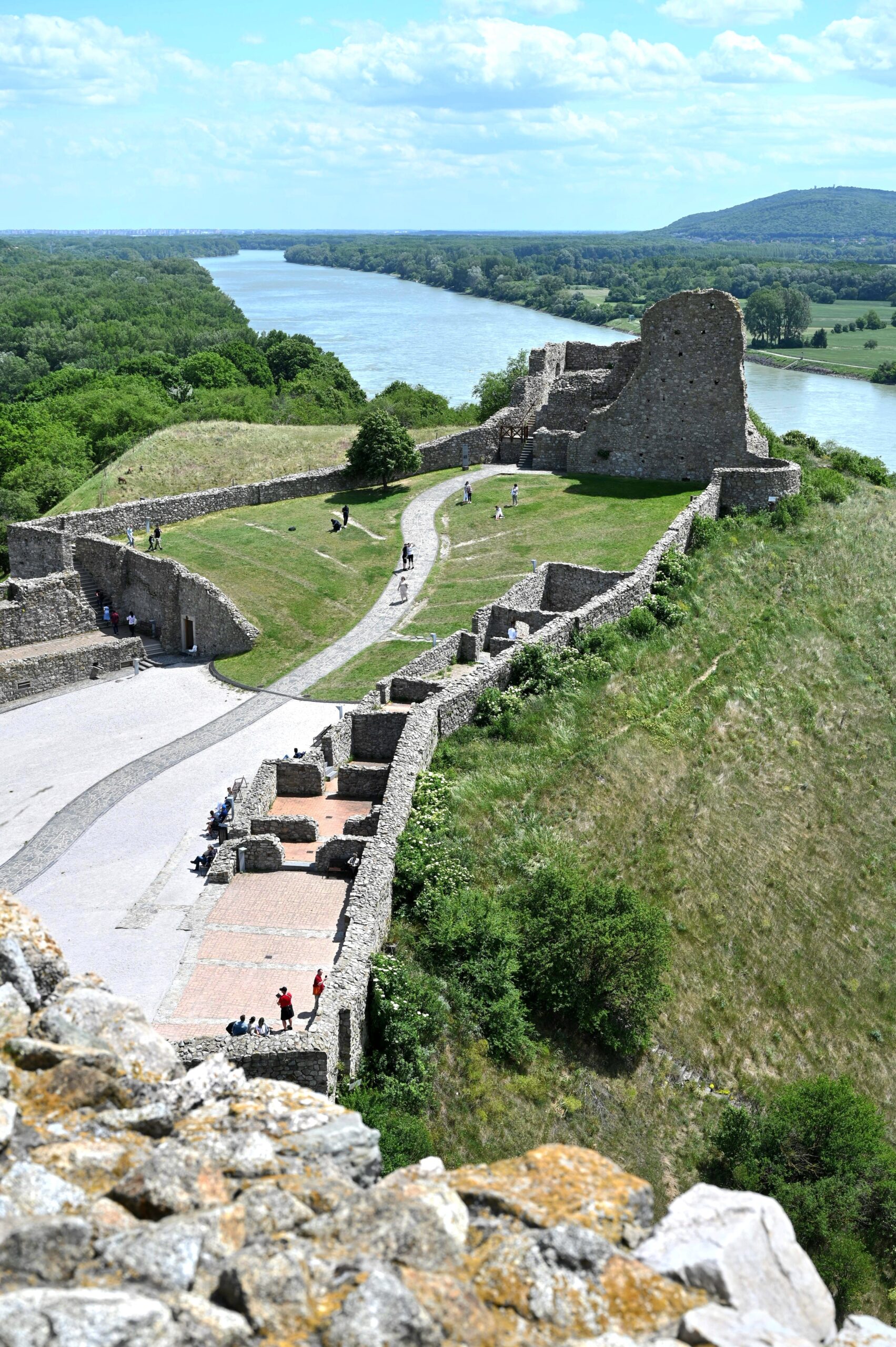
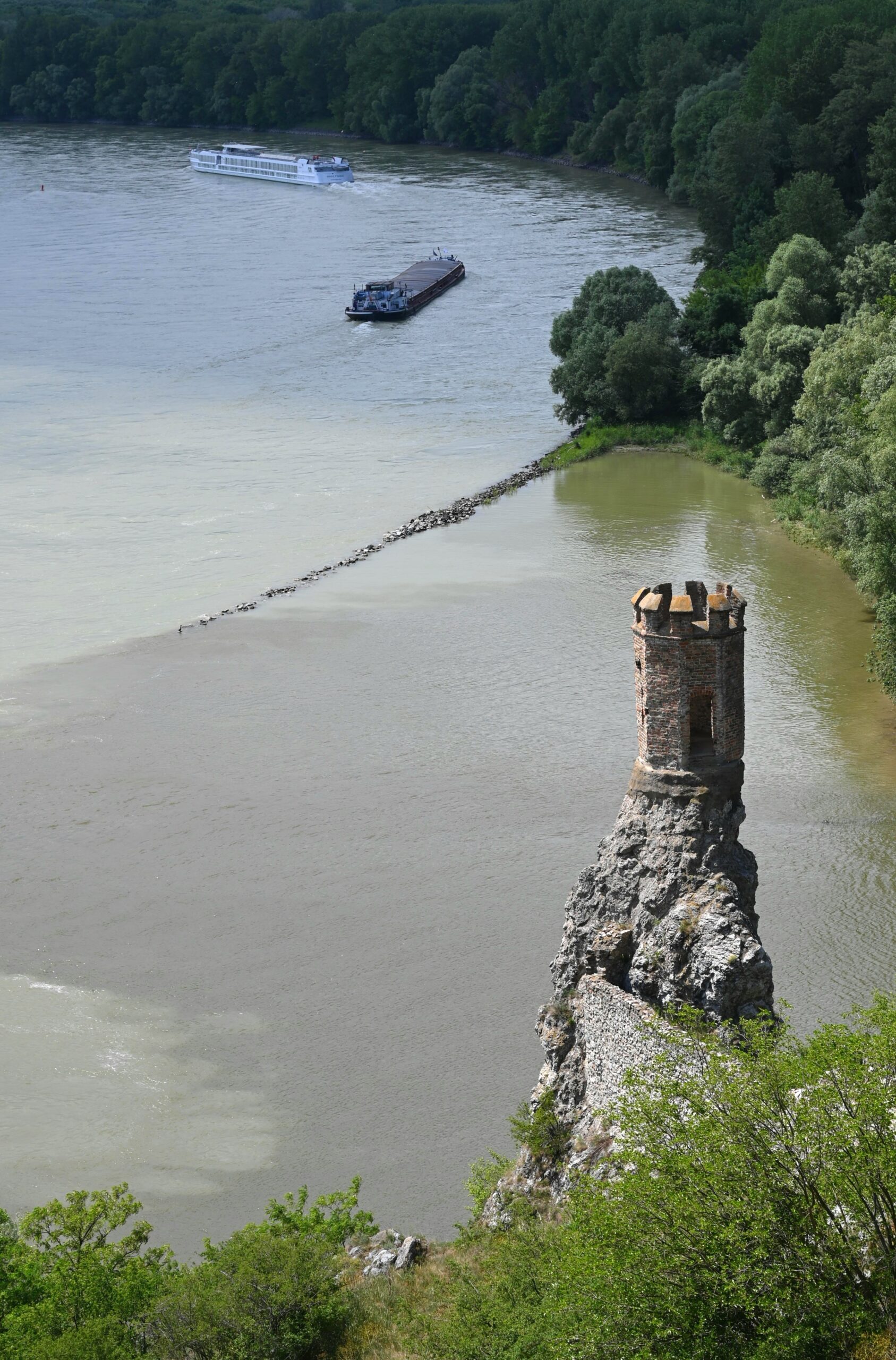
The castle grounds are divided into three main sections: the Lower Castle, a large area enclosed by walls with a gate that now serves as the ticket office; the Middle Castle, featuring a courtyard with remnants of fortifications, Renaissance palaces with preserved cave rooms, the foundations of a Roman building, and those of a Great Moravian basilica, as well as a 60-meter-deep well; and the Upper Castle, the oldest section, which contains the remains of a tower and fortifications. A notable feature is the small watchtower known as the Nun or Virgin Tower, perched dramatically on a cliff above the confluence of the Morava and Danube rivers.
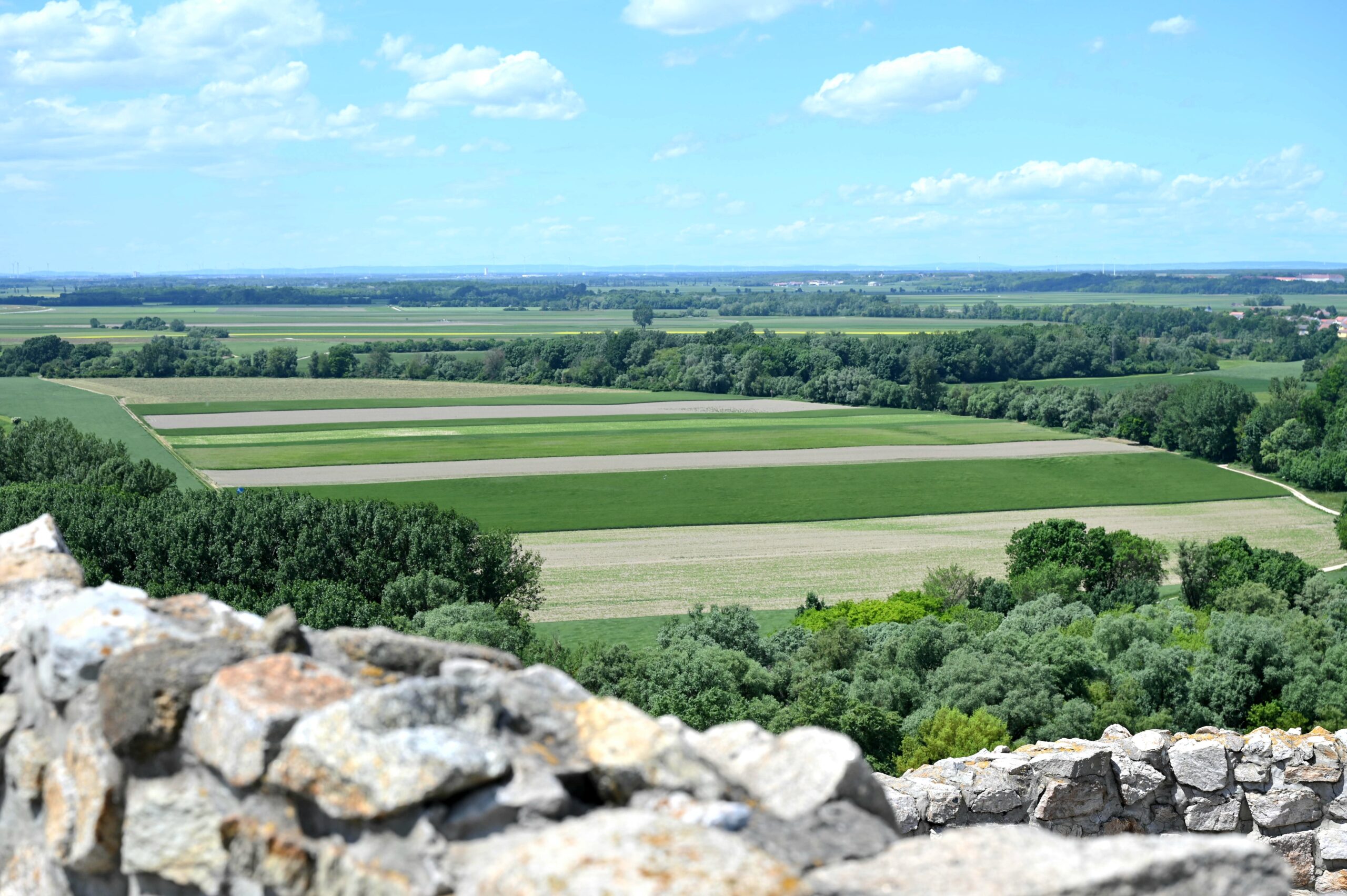
Visitors can delve into the castle’s history through an exhibition of excavated artifacts displayed in an on-site museum. Those who climb to the Upper Castle are rewarded with breathtaking views of the Danube and Morava rivers, the surrounding mountains, and the picturesque borough of Devin, now a part of Bratislava.
Logistics
- Devín, Bratislava
-
Tuesday – Sunday
10.00 AM – 04.00/05.00/06.00/07.00 PM
Closing hours vary throughout the year. -
Museum: 8 €
Reduced prices available for children, students, seniors, families, and between November and March. - May be closed to the public from 4 July to 6 July due to national holiday celebrations.
- www.muzeumbratislava.sk
Tips
Nearby restaurants
There are snack bars located at the parking lot near the castle. For a cozy and relaxed atmosphere, take a stroll along the Devin waterfront, where you’ll find the charming outdoor Café Ahoy.
Things to do nearby
Getting to Devin from Bratislava’s Old Town does take some time. If efficiency is key, opt for a brief stroll along the Devin Waterfront. Here, you can witness the confluence of the Morava and Danube rivers and visit the Gate of Freedom Memorial, honoring those who lost their lives trying to escape the oppressive Communist regime in Czechoslovakia. For those with a few extra hours and a love of hiking, Mount Devinska Kobyla awaits as an excellent destination!
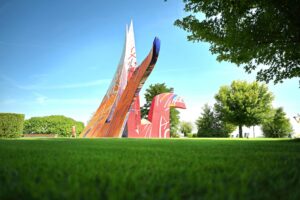
The monument commemorates the 400 individuals who lost their lives attempting to escape the oppressive Communist regime through the Iron Curtain. Unveiled in 2005 by the Confederation of Political Prisoners of Slovakia, it remains the focal point of annual commemorations held on November 17th, the Day of Fight for Freedom and Democracy. The location is deeply symbolic: Despite being heavily fenced and guarded, the Czechoslovakian border with Austria along the Morava and Danube rivers at Devin offered one of the few possible escape routes. However, only a small fraction of attempts were successful.
Take a short walk along the Danube after visiting Devin Castle to explore an area that was once inaccessible to the public and posed a grave risk of death or imprisonment during the Communist regime (1948–1989). Several monuments in the area commemorate this dark period, including the Iron Curtain Memorial, unveiled by Queen Elizabeth II in 2008 in the presence of Sir Nicholas Winton; the Gate of Freedom Memorial, dedicated to those who lost their lives attempting to escape; and the Heart of Europe Memorial, crafted from barbed wire, a symbol of the imprisonment of Czechoslovakia’s citizens within their own country. As you continue down the road, you can relax at the outdoor Café Ahoy and conclude your walk at Devin’s port, marked by a charming small lighthouse.
While the grounds of Devin Castle recall the lives of prehistoric people, Mount Devínska Kobyla—particularly its Sandberg site—is a remarkable paleontological treasure. This site has yielded 15-million-year-old fossils of marine life. Today, it serves as a popular hiking destination, offering a diverse landscape of woodlands, meadows, sandy terrain, and rare flora. At the mountain’s summit, 514 meters above sea level, stands a lookout tower that provides stunning views of distant locations in three neighboring countries. Before 1989, this area was off-limits, as it hosted a Communist-era air defense base equipped with 16 rockets distributed across four reinforced firing ramps to protect Bratislava.