
Slovak National Theatre
Drama | Opera | Ballet
About
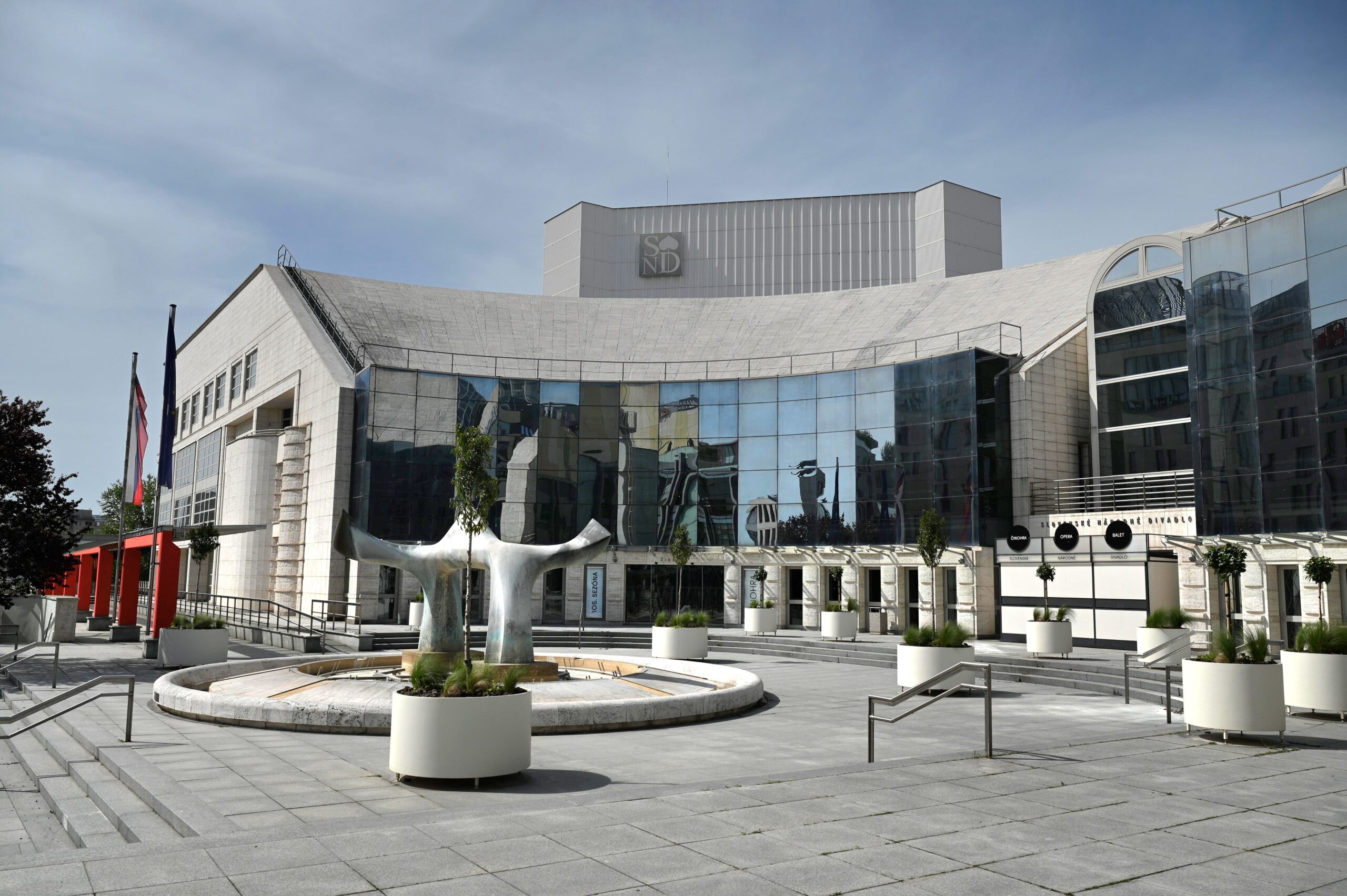
Slovakia’s premier performing arts institution, with over 100 years of tradition, unites the best of drama, ballet, and opera under one roof. The theater’s modern headquarters, located in Bratislava’s contemporary downtown near the Danube waterfront, offer a perfect blend of culture and urban charm.
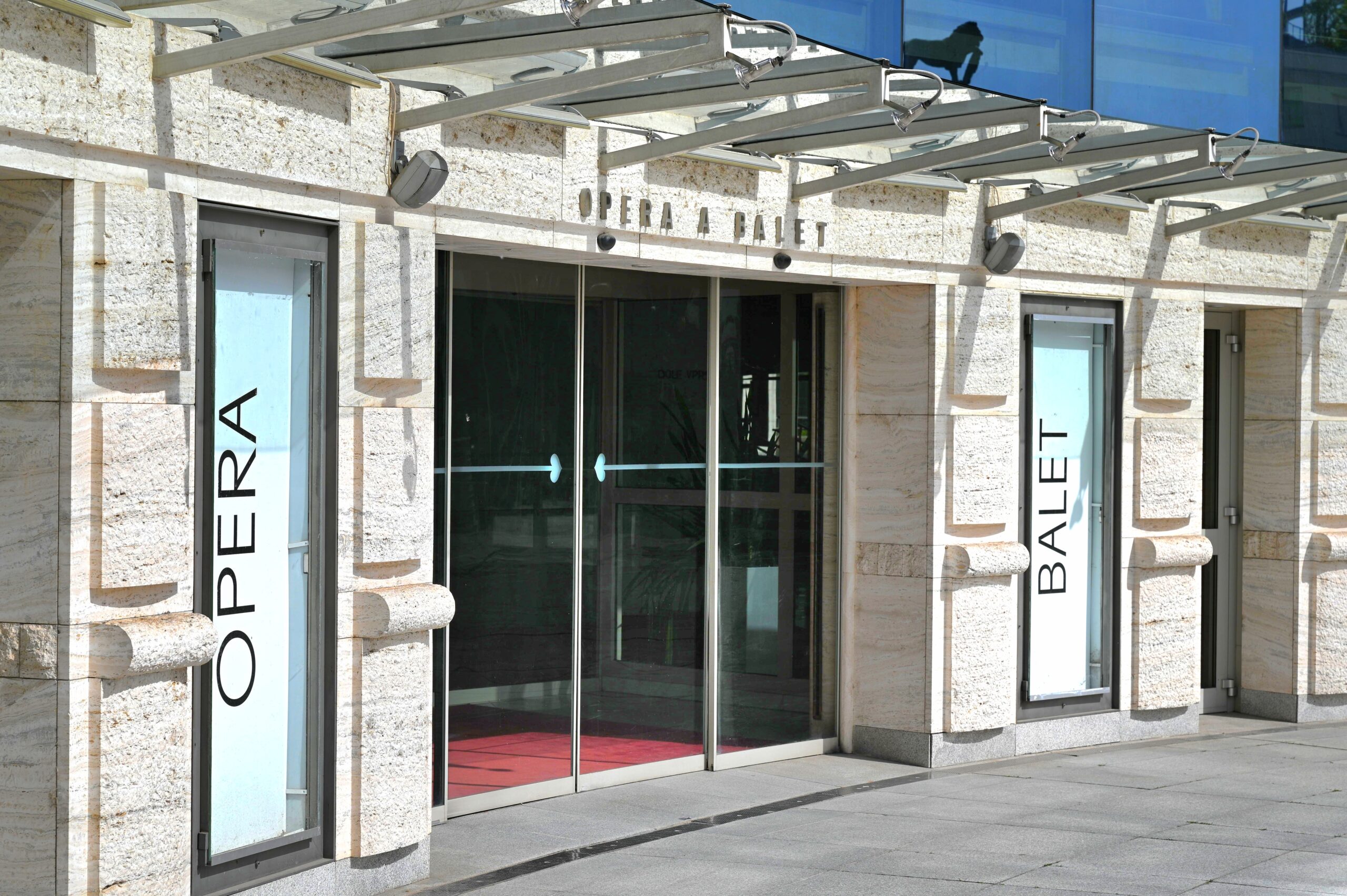
The seven-story building, with a capacity of 1,700 guests, houses more than 2,000 rooms, including a grand Opera and Ballet Hall with 900 seats, a Drama Hall with over 600 seats, and a smaller Studio with nearly 200 seats, along with various additional facilities.
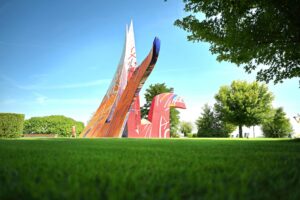
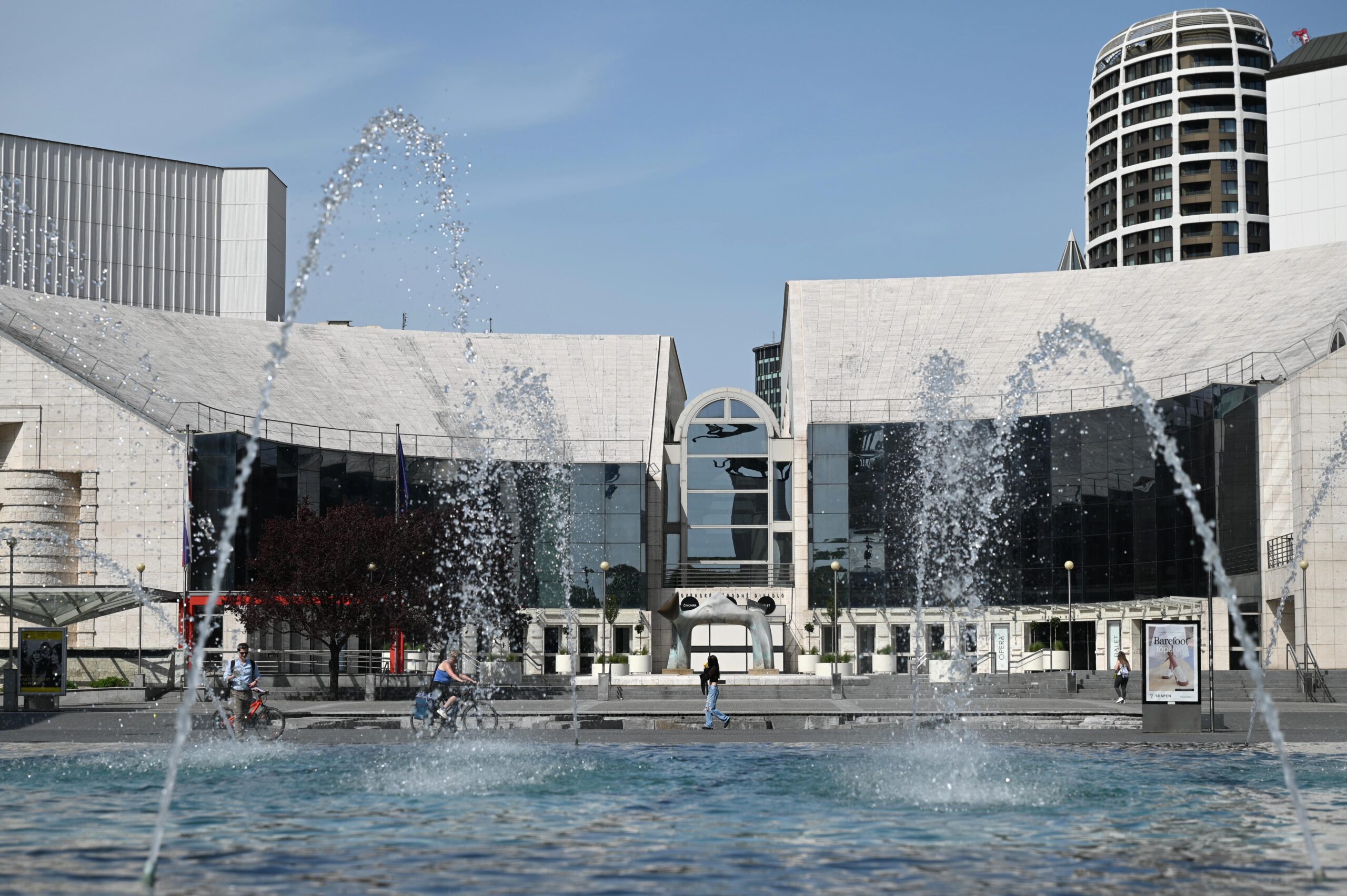
The main entrance, framed by a semicircular portal, opens onto a small square featuring a modern statue of a dancer at its center. This postmodern structure is clad in travertine and large glass panels, creating a striking architectural presence.
Construction of the theater’s new home began in 1986 and was completed in 2007 at a cost of approximately 165 million euros. The project faced significant financial difficulties, nearly resulting in the sale of the nearly finished building.
Tips
Dress Code
Smart casual will do
Nearby restaurants
The nearby Eurovea is a vibrant dining destination, offering countless opportunities to eat, drink, and relax. From quick bites at fast-food outlets to upscale restaurants with stunning river views, and from ice cream shops to cozy coffee spots and lively bars, there’s something for everyone.
For coffee lovers, you can pick a local favorite like Mondieu, an international chain like Starbucks, or a charming café inside the Panta Rhei bookstore.
The large food hall and other spots scattered throughout the building cater to all tastes, featuring international chains like McDonald’s and KFC, as well as a variety of local bistros and fast-food options.
Along the waterfront promenade, you’ll find a wide selection of restaurants. Choose from local Slovak cuisine at Kolkovna, Asian delights at wagamama or Sajado, Italian favorites at Primi or Al Faro, or French elegance at Brasserie La Marine. Whatever your preference, Eurovea has it covered.
Things to do nearby
The Slovak National Theatre is situated on the waterfront’s eastern edge next to the Eurovea shopping mall, where Bratislava’s new modern downtown begins. In the area north of the theatre, you will find the Blue Church, a charming Art Nouveau temple dedicated to St. Elizabeth. Known for its distinctive pastel blue facade, it is a must-see architectural gem.
The Danube is the second-largest river in Europe, connecting 10 countries from Germany’s Black Forest to Ukraine’s Black Sea delta. It has shaped Bratislava’s history since time immemorial, serving as a trade route, imperial frontier, natural defense line, and source of food. Today, the riverfront promenade is a lively public space for locals and visitors alike, acting as a meeting point, recreational hub, shopping area, and gateway to the Old Town’s treasures. With green spaces, shops, restaurants, and cafés, it offers everything needed for relaxation.
Slovakia’s largest shopping mall attracts visitors with its unique location right on the riverbank, where you can stroll along the promenade or take a break in one of the restaurants, offering both indoor and outdoor seating options. Be sure to take a selfie with General Stefanik, one of the founding fathers of Czechoslovakia. His statue dominates the square that divides the two parts of the shopping mall, right in front of the new building of the Slovak National Theatre. Similar to other shopping centers in Bratislava, you can use Eurovea’s parking garage free of charge for several hours.
To commemorate the 700th anniversary of the birth of St. Elisabeth, the patron saint of Christian charity, a church dedicated to her was built in the early 20th century next to a new royal Catholic grammar school. This concrete temple was designed in the Vienna Secession style, the Austro-Hungarian interpretation of Art Nouveau, and adorned with tiny blue ceramic tiles that inspired its nickname, the Blue Church. The church’s altar houses relics of St. Elisabeth, along with remains of St. Clement the Roman, St. Vincent, and St. Theodora, making it a cherished spiritual and architectural landmark.