
Blue Church
Bratislava’s Art Nouveau Gem
About
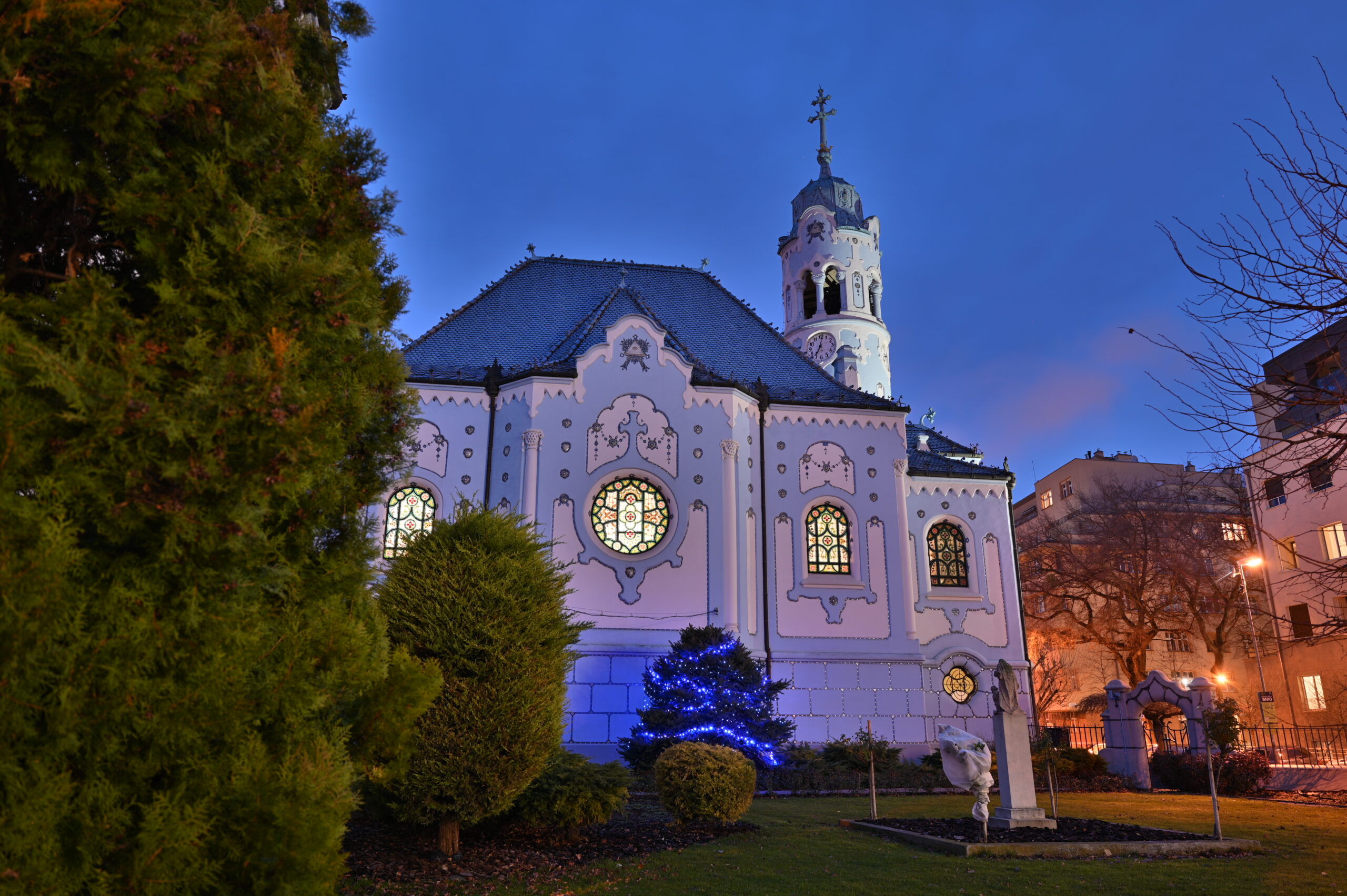
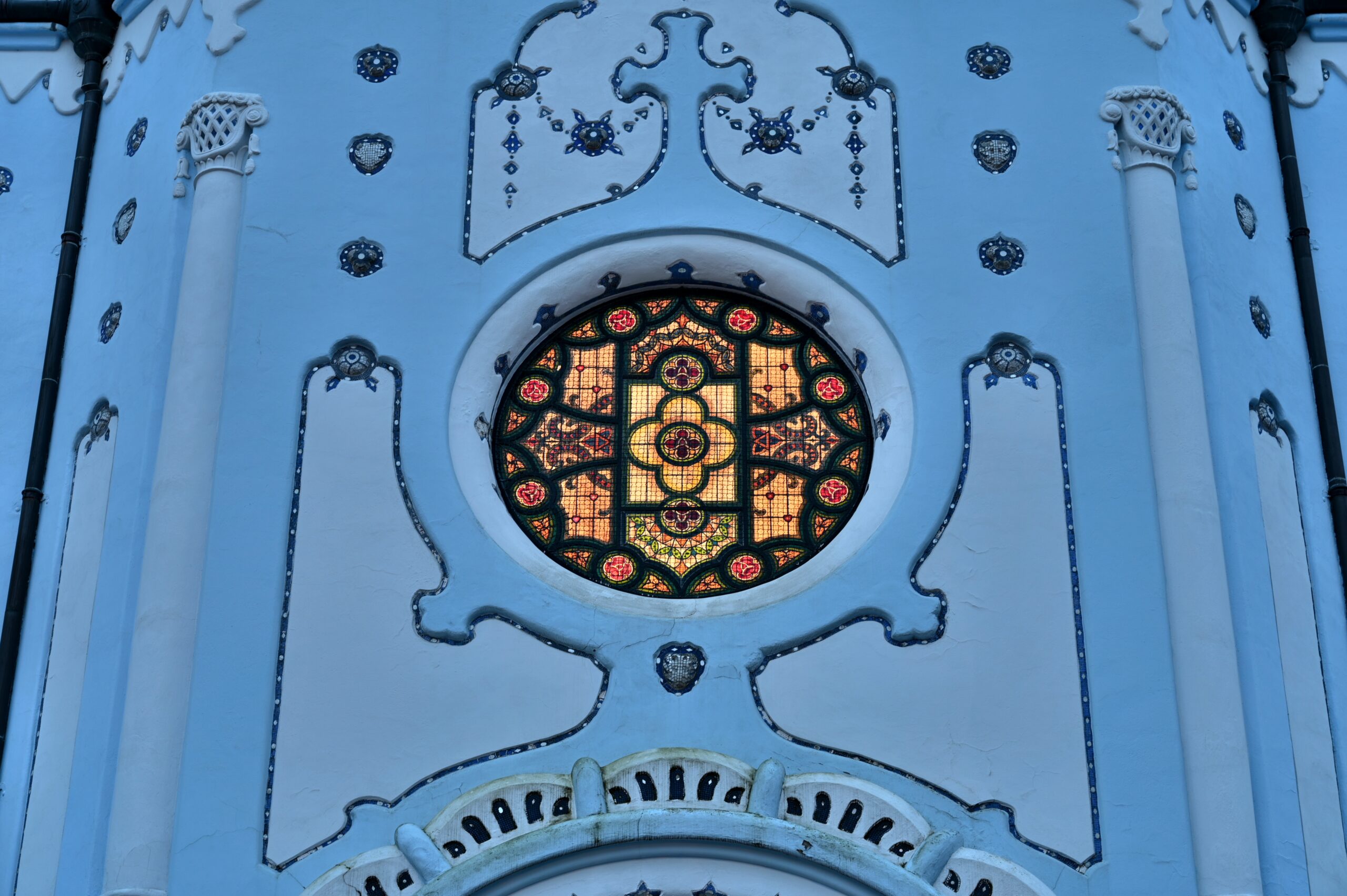
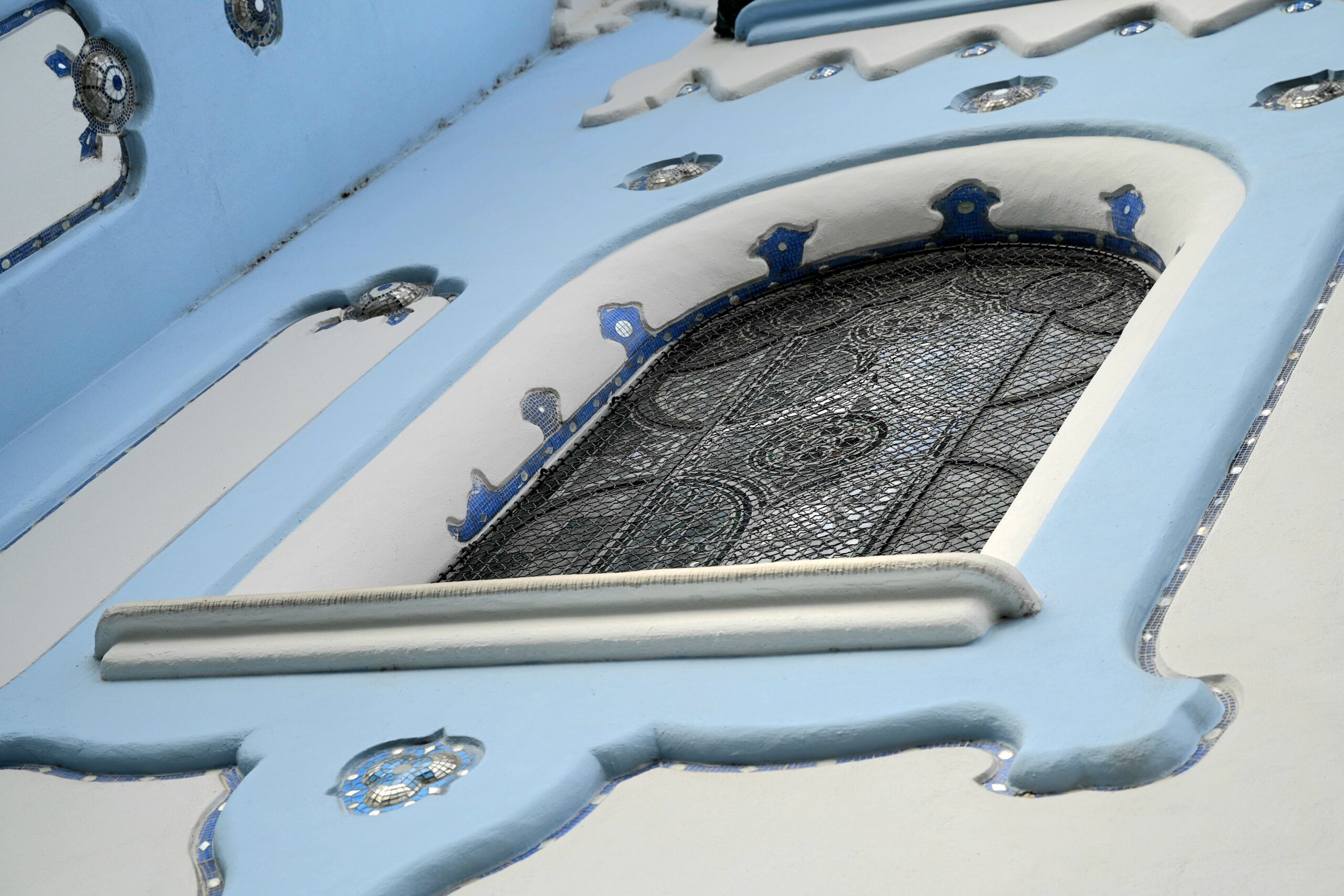
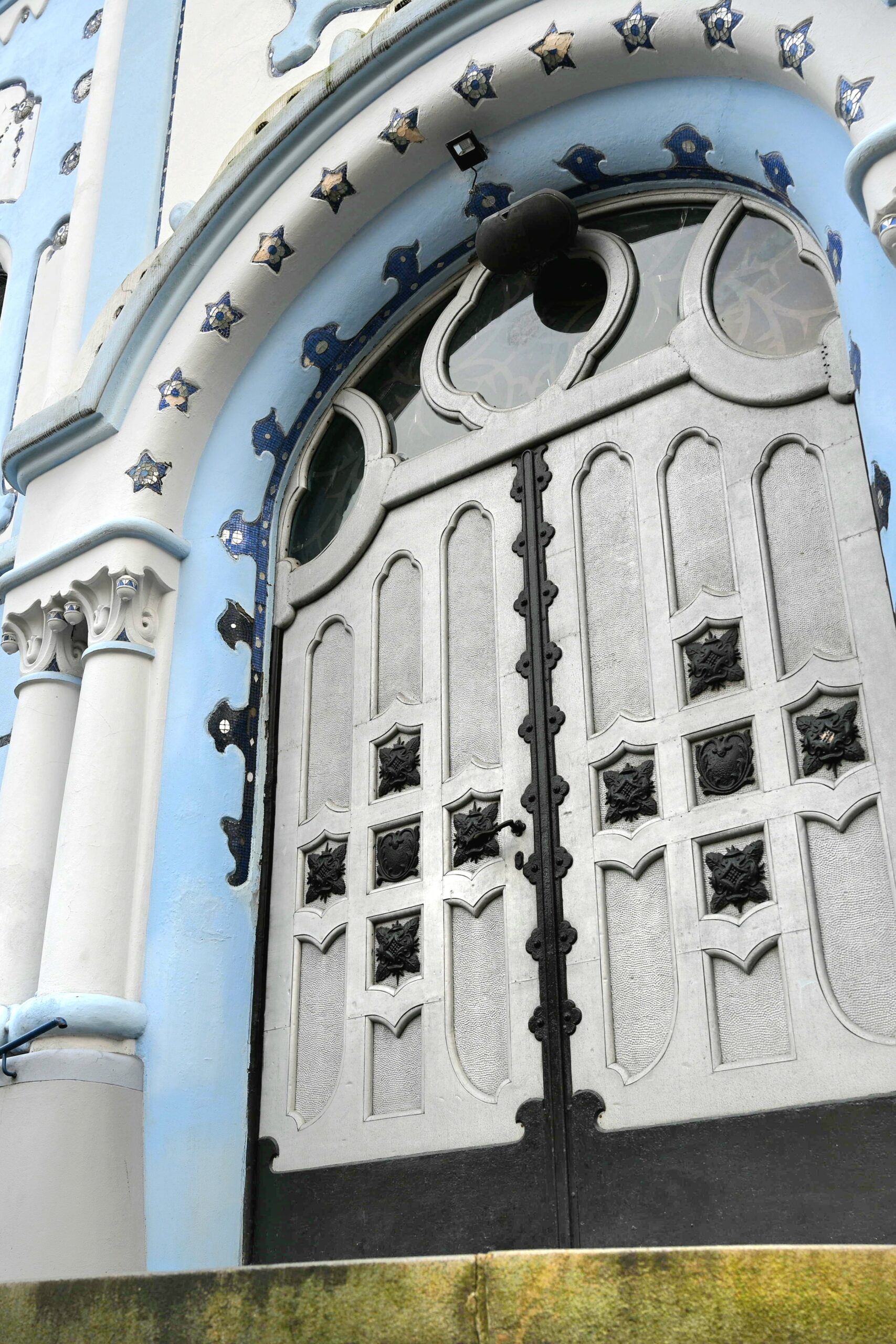
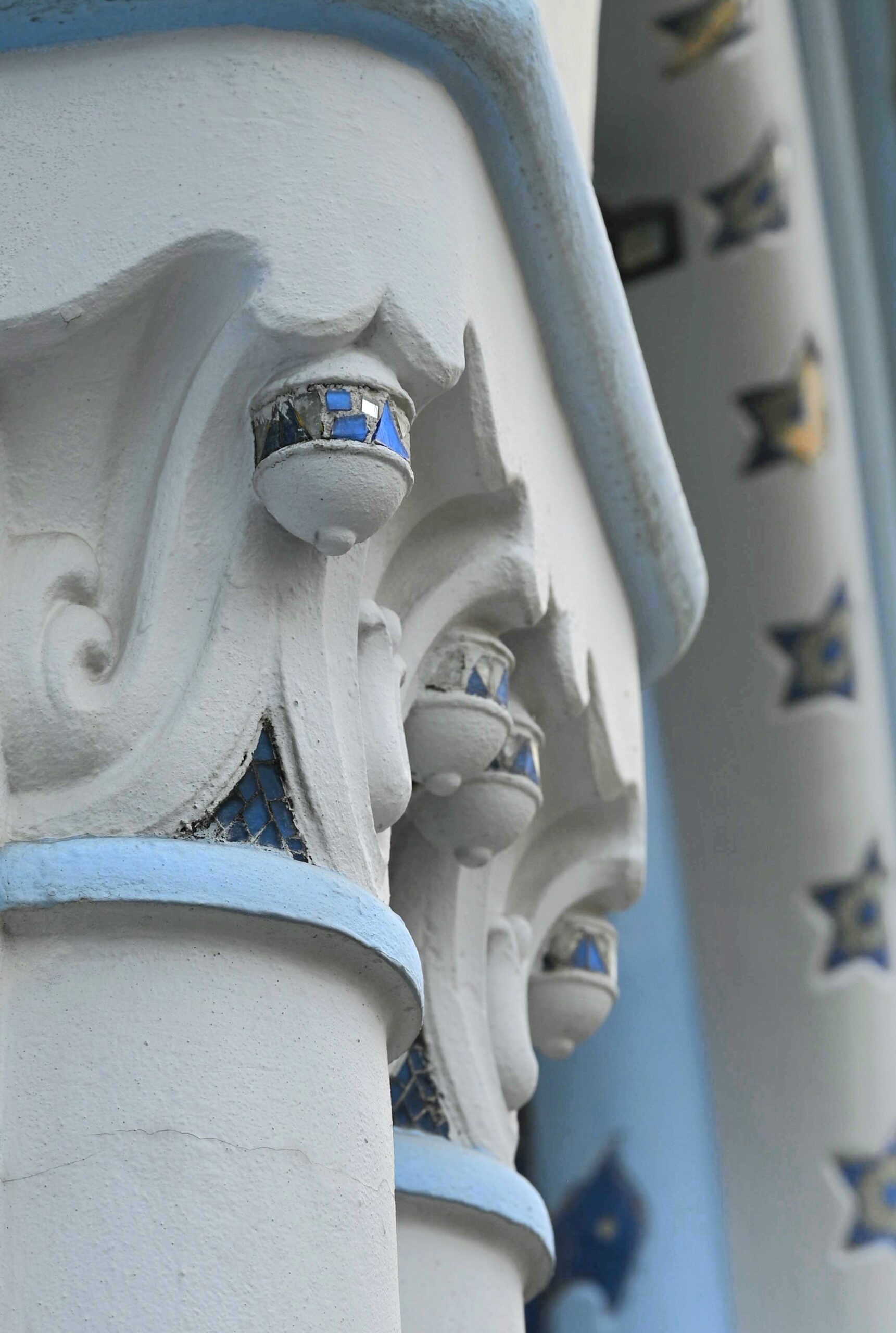
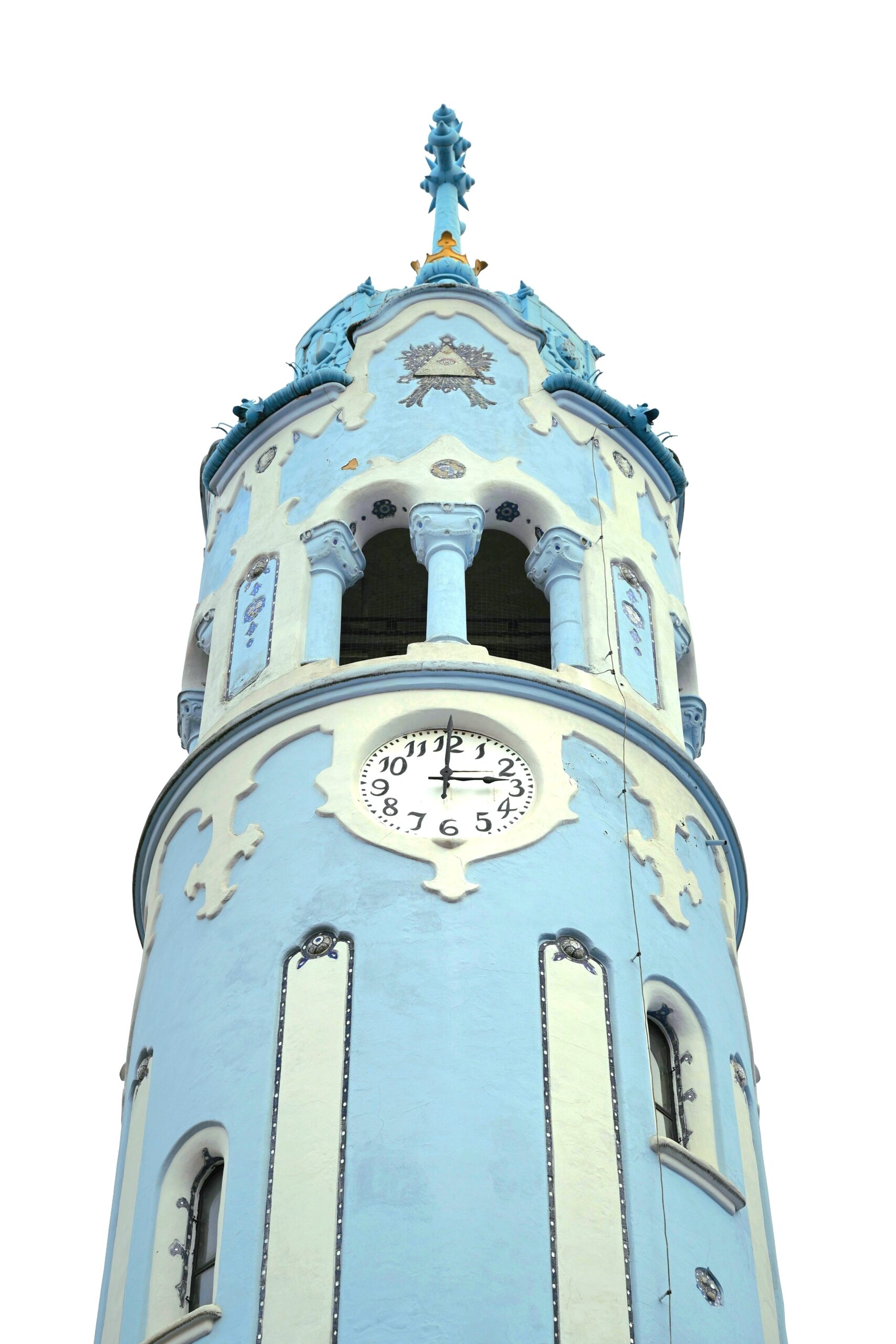
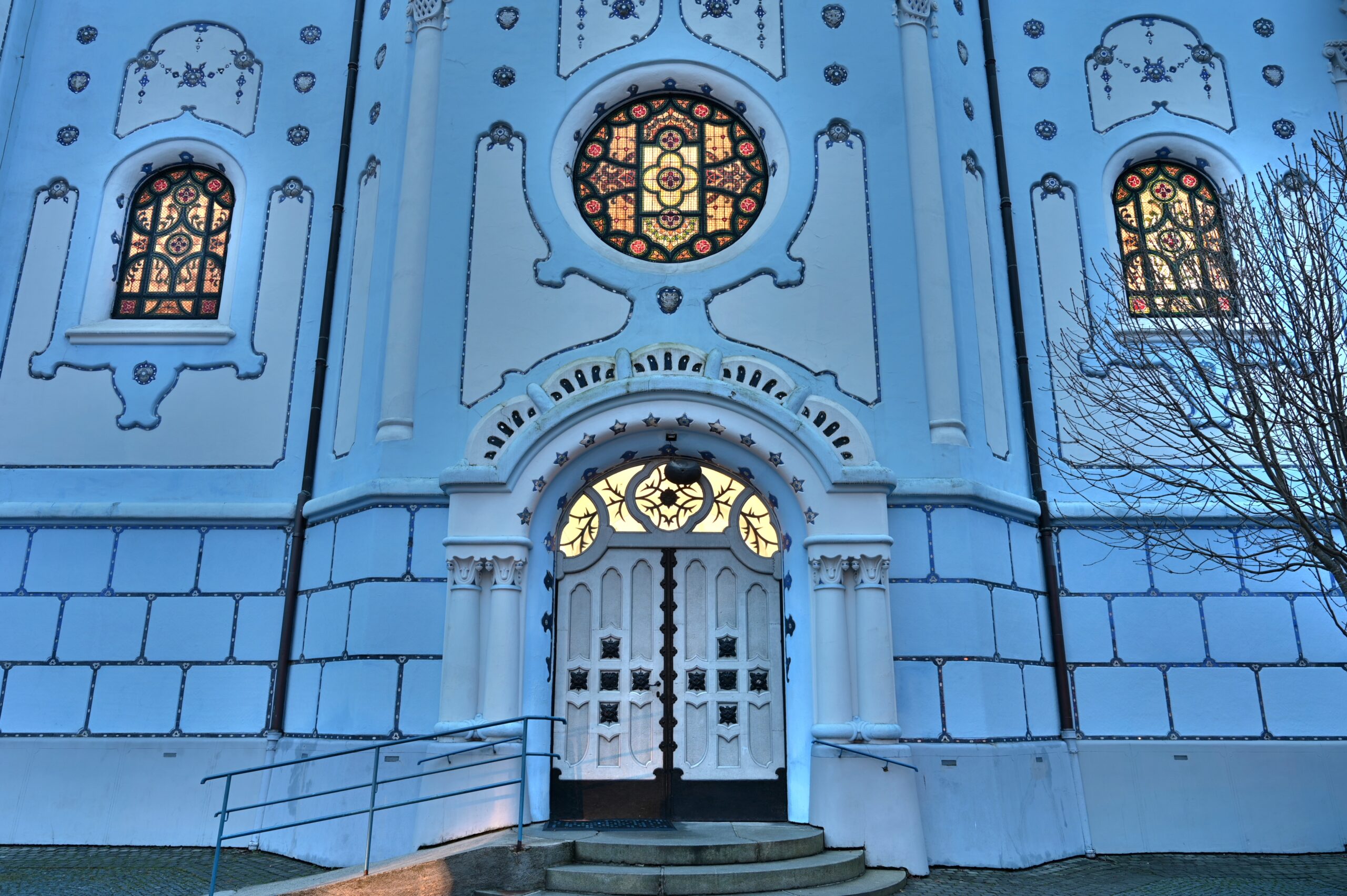
To commemorate the 700th anniversary of the birth of St. Elisabeth, the patron saint of Christian charity, a church dedicated to her was commissioned in 1909 by the leadership of the nearby royal Catholic grammar school to serve both students and the public. Designed by Odon Lechner, a renowned Budapest-based architect, often referred to as the Hungarian Gaudi, the Blue Church exemplifies the Secession style, the Austro-Hungarian interpretation of Art Nouveau.
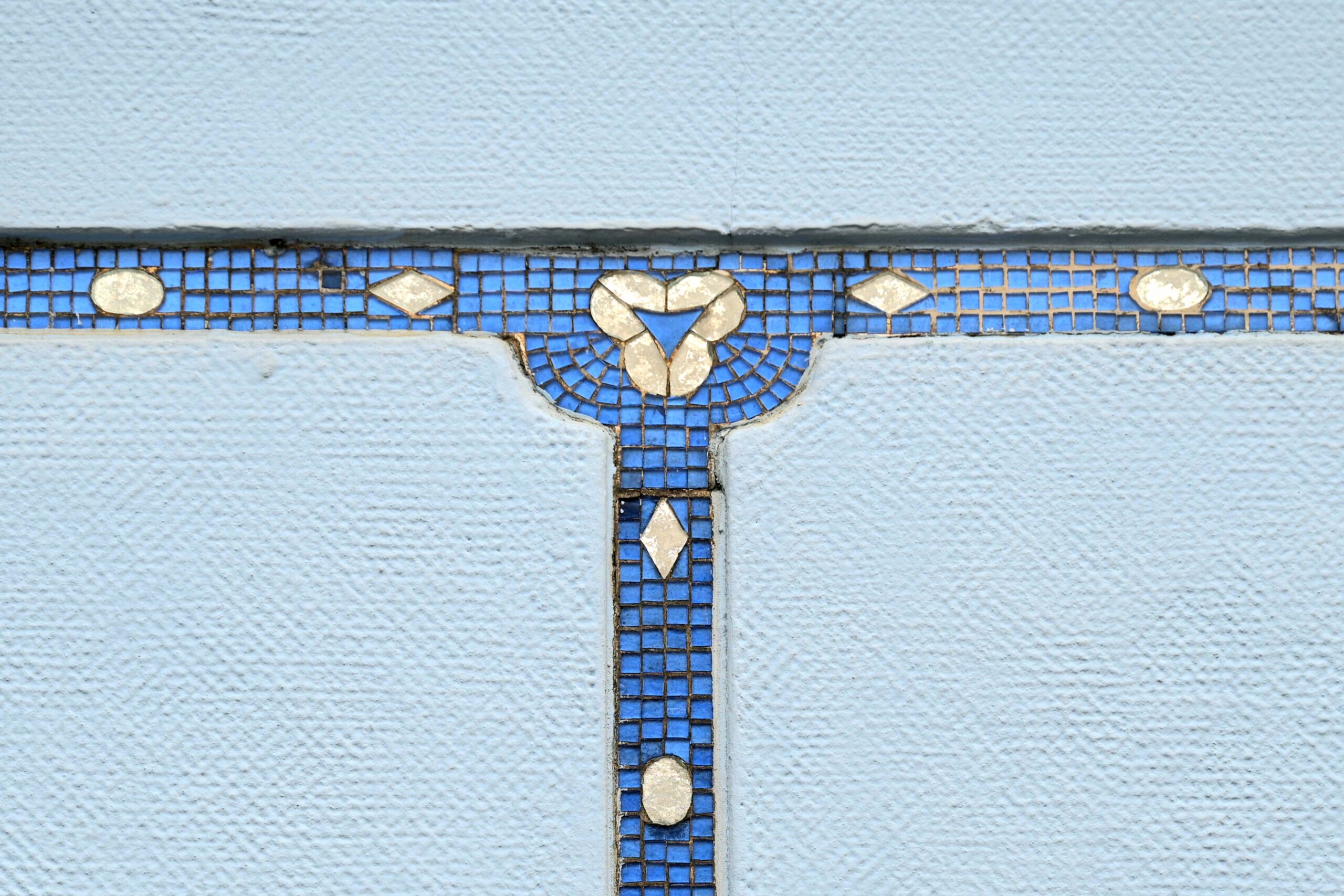
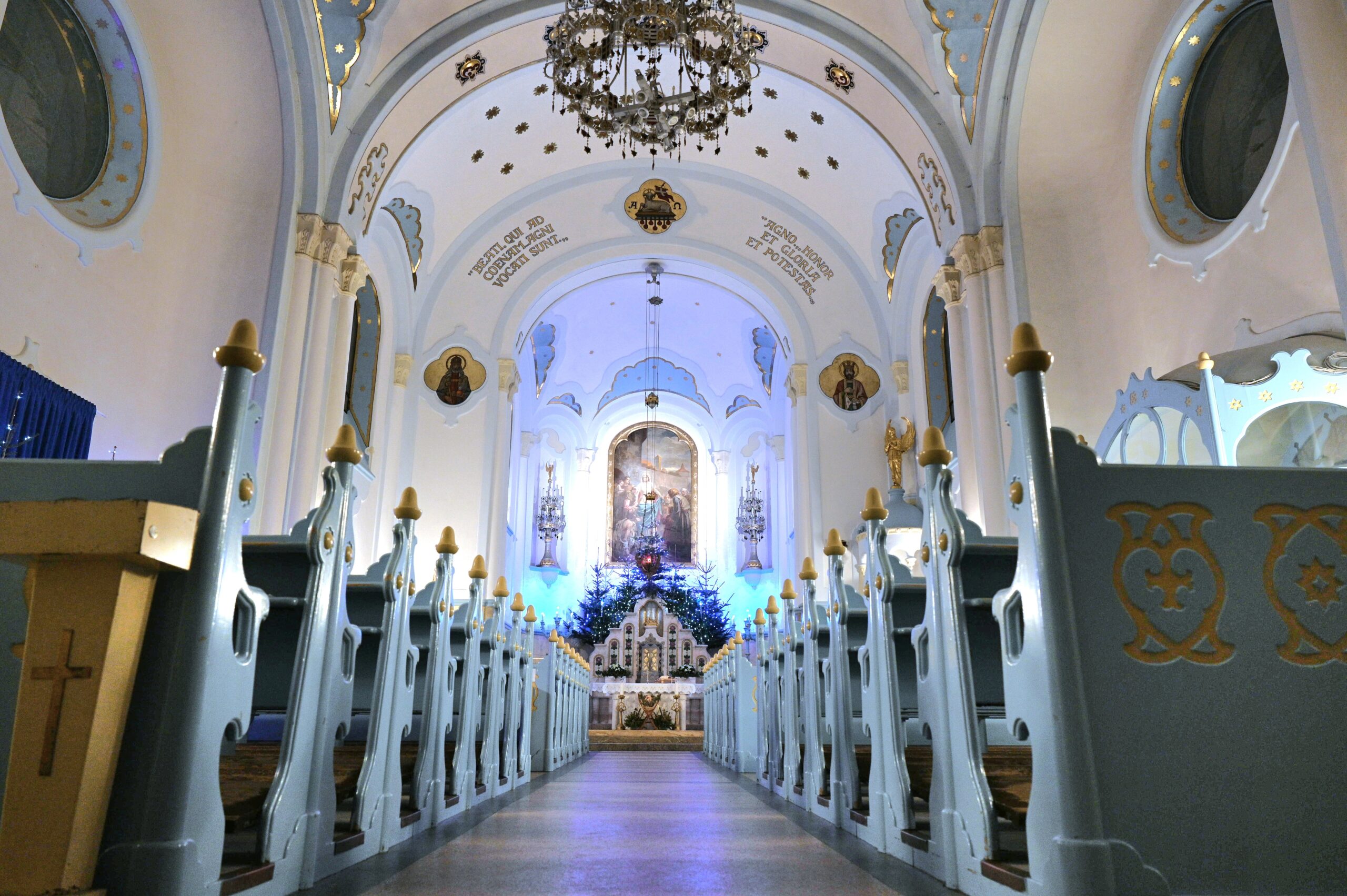
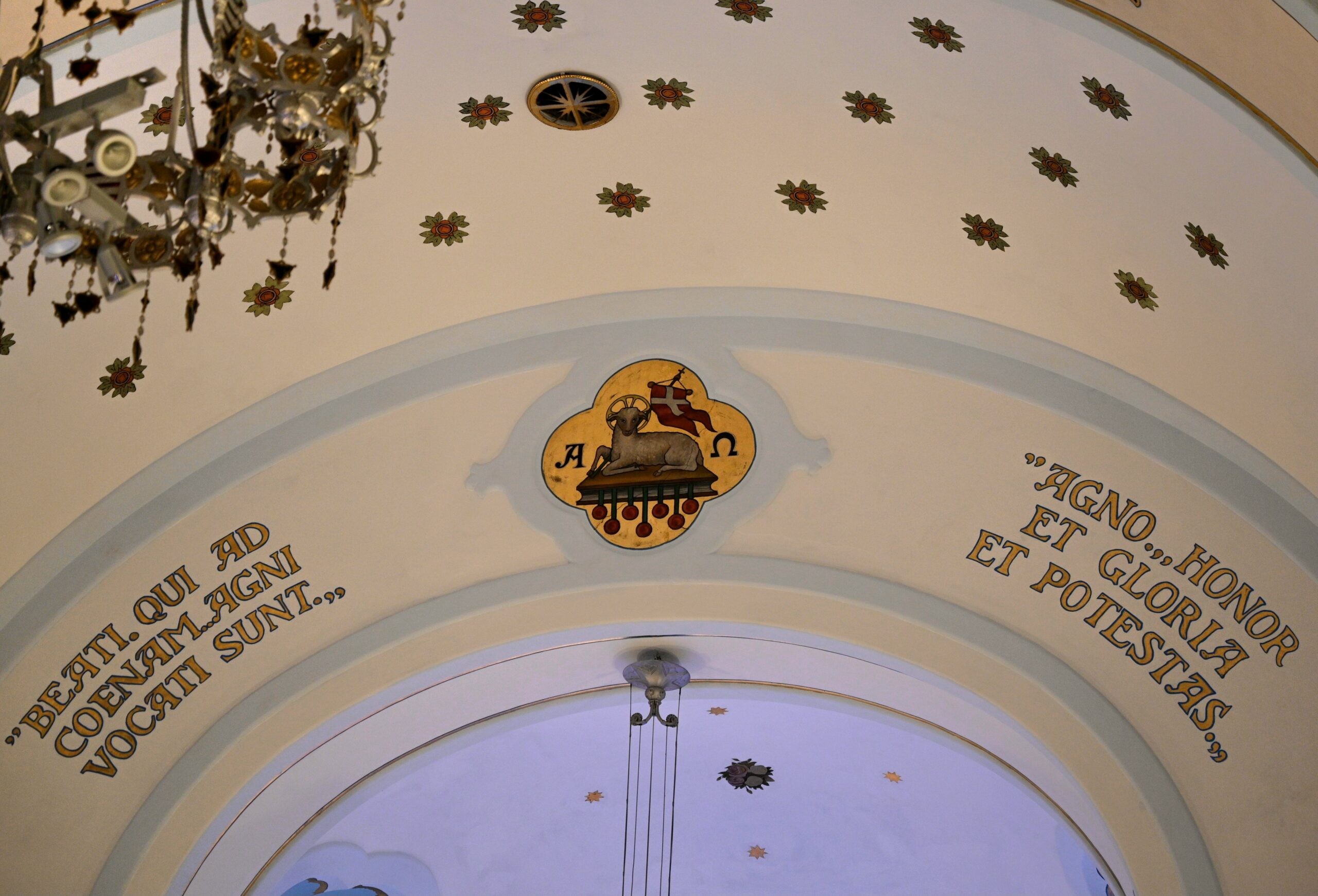
The building’s distinctive blue roof tiles and ceramic accents inspired its popular nickname, the Blue Church. Its facade features a stunning mosaic above the main entrance depicting St. Elisabeth, as well as glass and metal roses symbolic of her legend. Inside, the blue, white, and gold palette mirrors the exterior, creating a harmonious design. The altar, adorned with a large painting of St. Elisabeth, also houses relics of the saint, alongside remains of St. Clement the Roman, St. Vincent, and St. Theodora.
A miniature model of the Blue Church proudly represents Slovakia in the Brussels Mini-Europe park, situated near the iconic Atomium.
Tips
Nearby restaurants
Eurovea Shopping Center, with its wide range of restaurants, is just a few minutes’ walk from the Blue Church. Additionally, the nearby streets offer several dining options. Among the local favorites is Bratislavsky mestiansky pivovar, a large brewery on Grosslingova Street known for its excellent traditional food at fair prices. Along the way, you’ll pass Otto, a charming bistro with outdoor seating, situated in front of a well-known Secession-style house adorned with ivy. Across from the main entrance to another Secession gem, the Gymnasium Grosslingova, you’ll find Fertucha, Bratislava’s renowned pastry shop, and just steps away is the cozy Doppio café.
Things to do nearby
The quarter surrounding the Blue Church, developed in the early 20th century, showcases numerous buildings in the eclectic and Secession (Art Nouveau) styles. Close to the Old Town’s promenade yet less touristy, this vibrant area offers a quieter atmosphere, perfect for a leisurely stroll and a break in one of its local bistros or cafés. For those ready to dive back into their bucket list, head south towards the waterfront to discover the Slovak National Theatre and the Eurovea Shopping Center.
Slovakia’s largest shopping mall attracts visitors with its unique location right on the riverbank, where you can stroll along the promenade or take a break in one of the restaurants, offering both indoor and outdoor seating options. Be sure to take a selfie with General Stefanik, one of the founding fathers of Czechoslovakia. His statue dominates the square that divides the two parts of the shopping mall, right in front of the new building of the Slovak National Theatre. Similar to other shopping centers in Bratislava, you can use Eurovea’s parking garage free of charge for several hours.
The Danube is the second-largest river in Europe, connecting 10 countries from Germany’s Black Forest to Ukraine’s Black Sea delta. It has shaped Bratislava’s history since time immemorial, serving as a trade route, imperial frontier, natural defense line, and source of food. Today, the riverfront promenade is a lively public space for locals and visitors alike, acting as a meeting point, recreational hub, shopping area, and gateway to the Old Town’s treasures. With green spaces, shops, restaurants, and cafés, it offers everything needed for relaxation.
Slovakia’s premier performing arts institution, with over 100 years of tradition, brings together the best of drama, ballet, and opera under one roof. As the evolving needs of its three ensembles outgrew the possibilities of its original 1886 building, the Slovak National Theatre inaugurated a new home in 2007, which has gradually taken on its primary role. The theater’s modern headquarters are located in Bratislava’s contemporary downtown, just steps from the Danube waterfront, offering a perfect blend of culture and urban charm.
Located just a short walk from the city center, Medicka Garden is one of Bratislava’s most beloved green spaces. This historic park, with its tree‑lined paths, fountains, and open lawns, is perfect for a peaceful stroll or a picnic. Originally part of a baroque estate later linked to the city’s medical faculty, it remains a quiet retreat amid the city’s lively streets.
St. Andrew’s Cemetery or “Ondrejsky cintorin” is one of the oldest and most atmospheric cemeteries in Bratislava, dating back to the 18th century. Once the main burial ground of the city, it holds the graves of notable citizens, including artists, politicians, and scholars. Shaded by old trees and lined with historic tombstones, the cemetery feels more like a peaceful park than a burial site. Today, it serves as a quiet green retreat in the city center, where history and nature intertwine.