
Nedbalka Gallery
The Best of Modern Slovak Painting
About
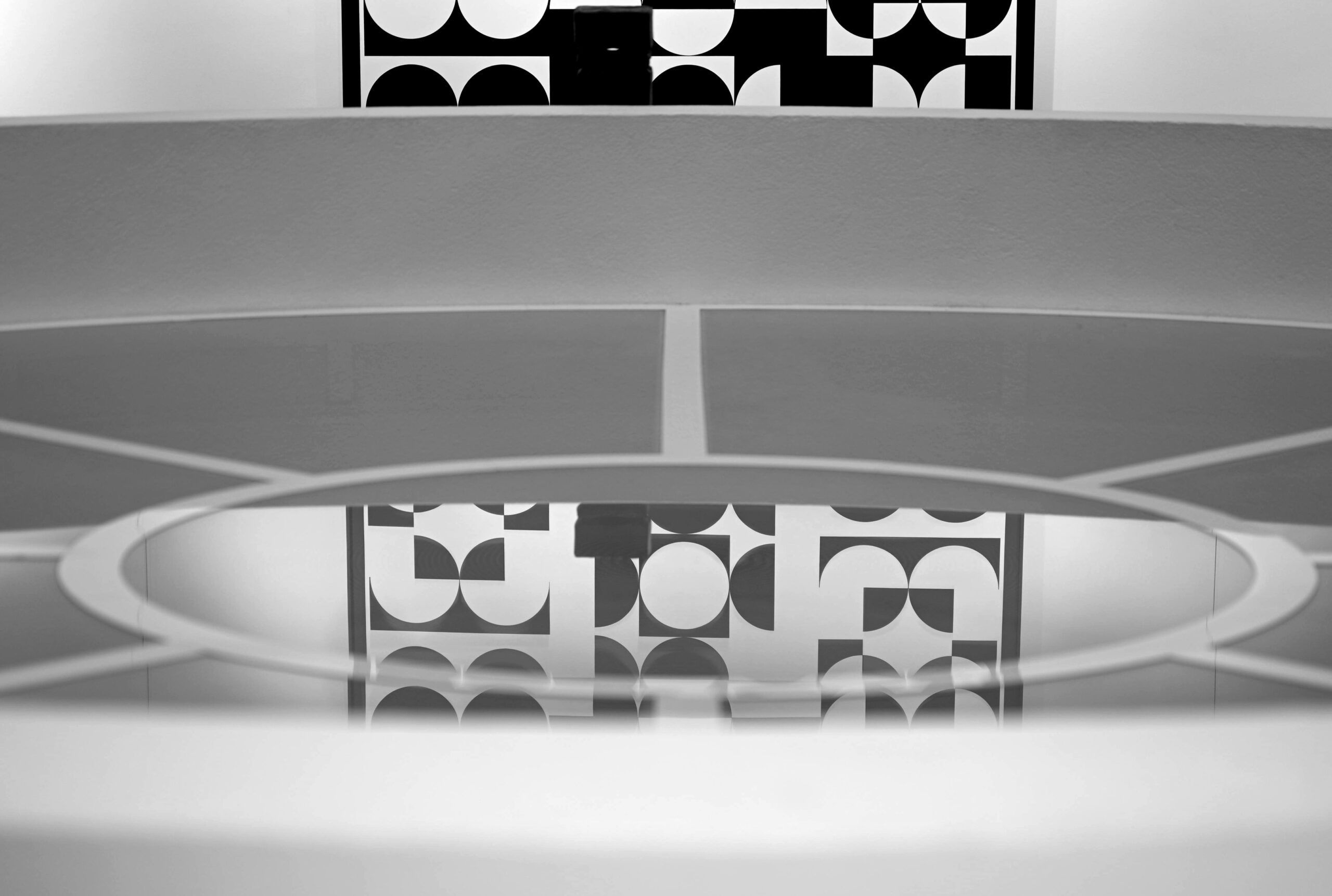
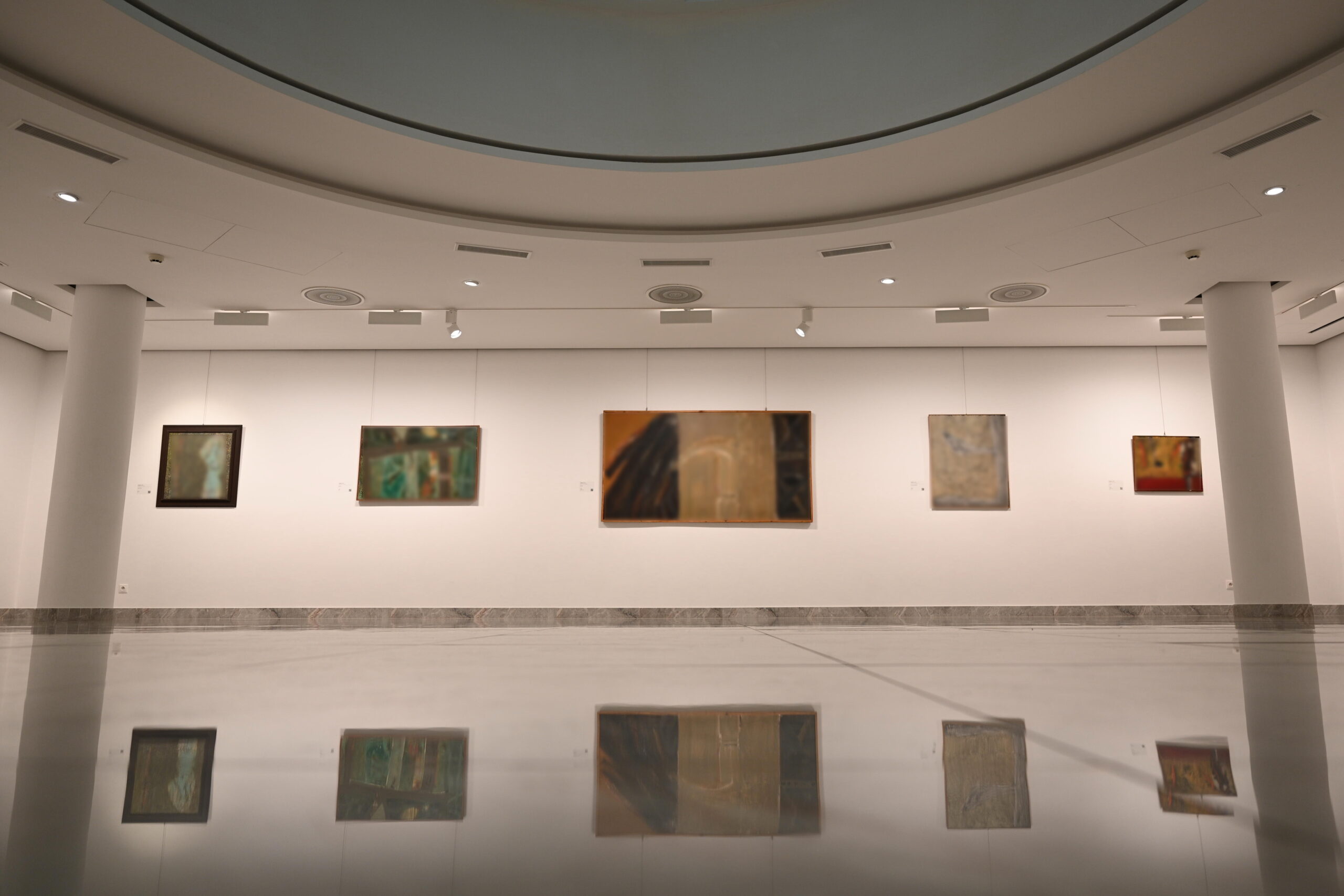
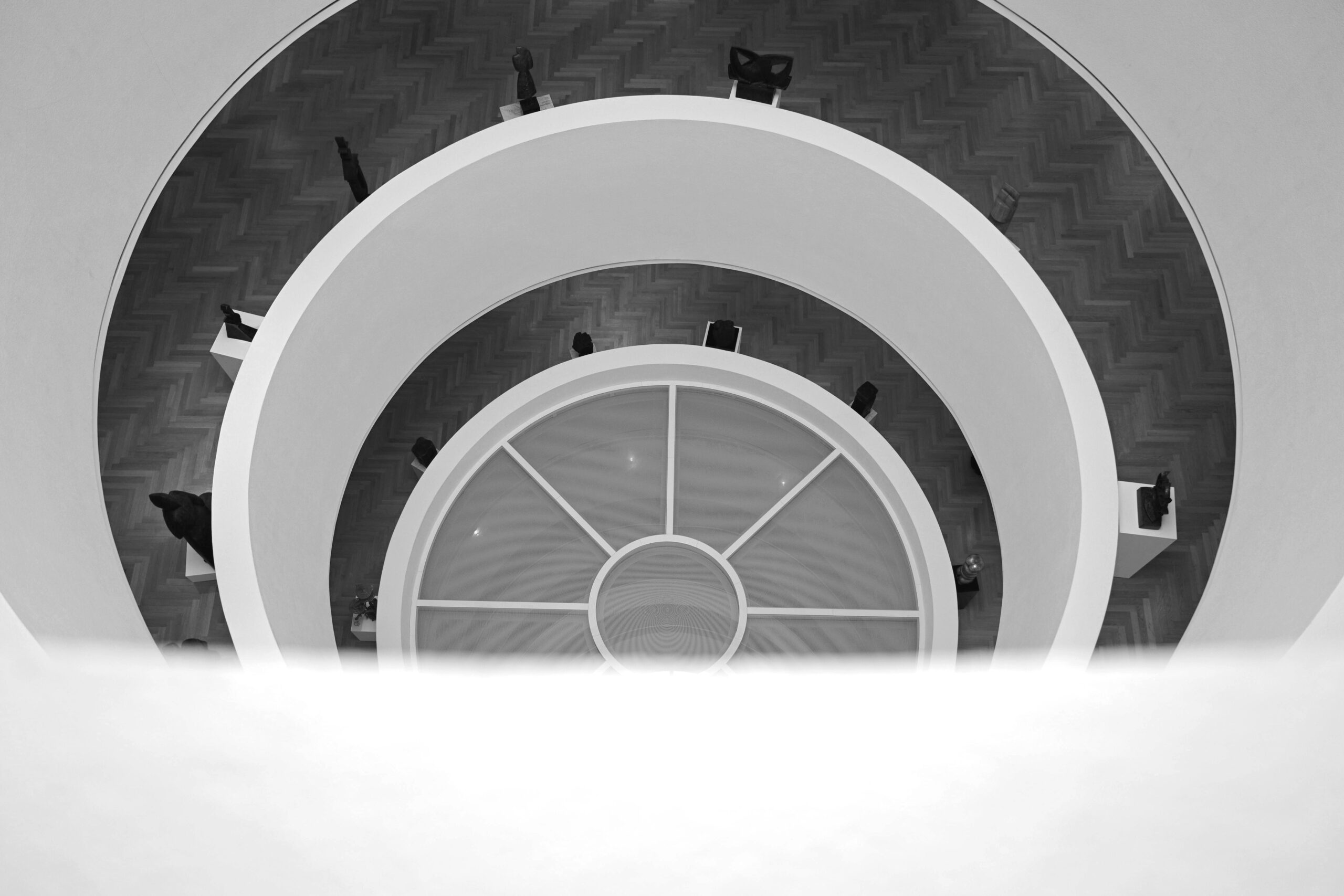
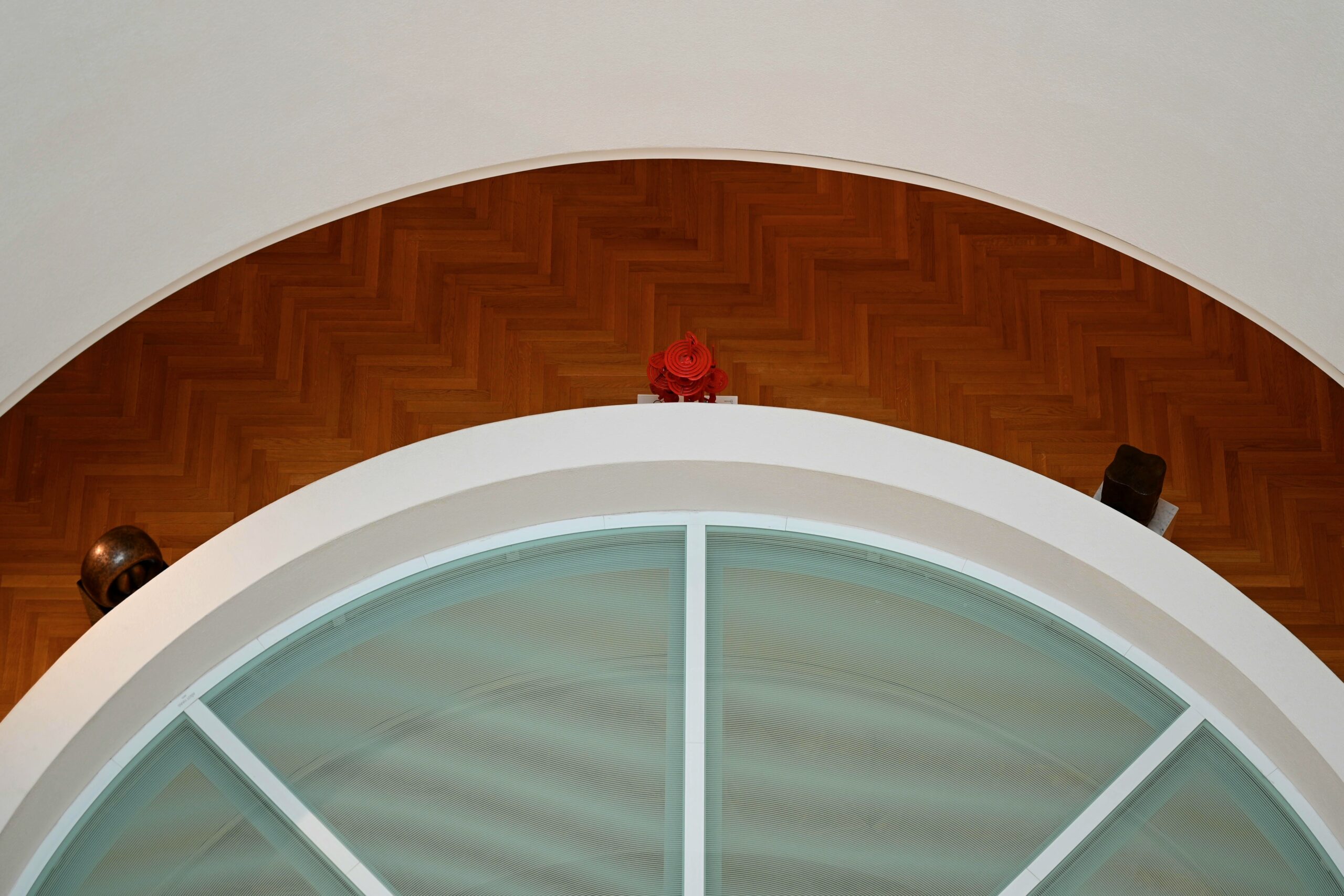
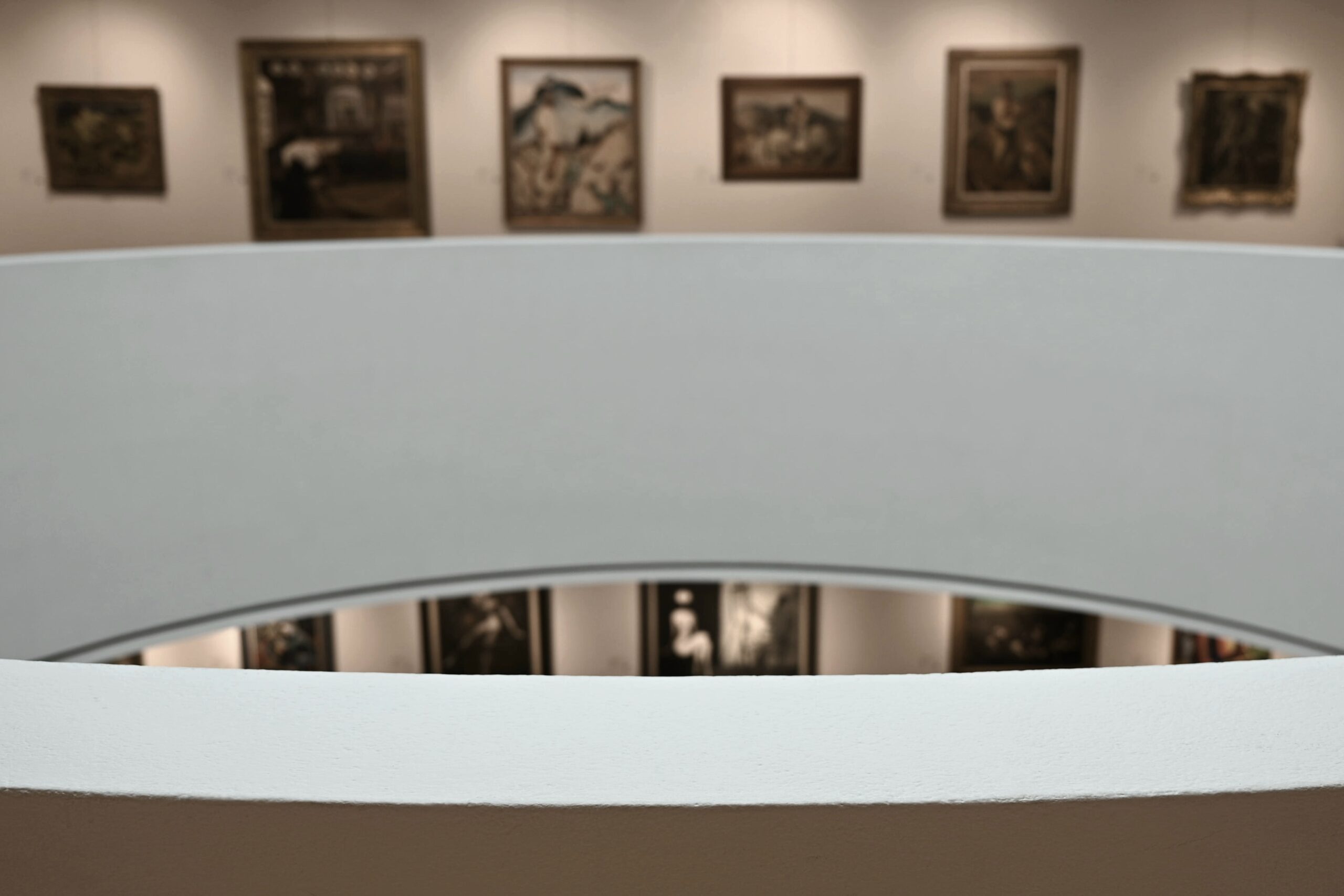
Nedbalka Gallery showcases some of the finest paintings and sculptures created in Slovakia from the 19th to the 21st centuries. The building itself is a stunning cultural monument, featuring four levels of galleries that encircle a central open space.
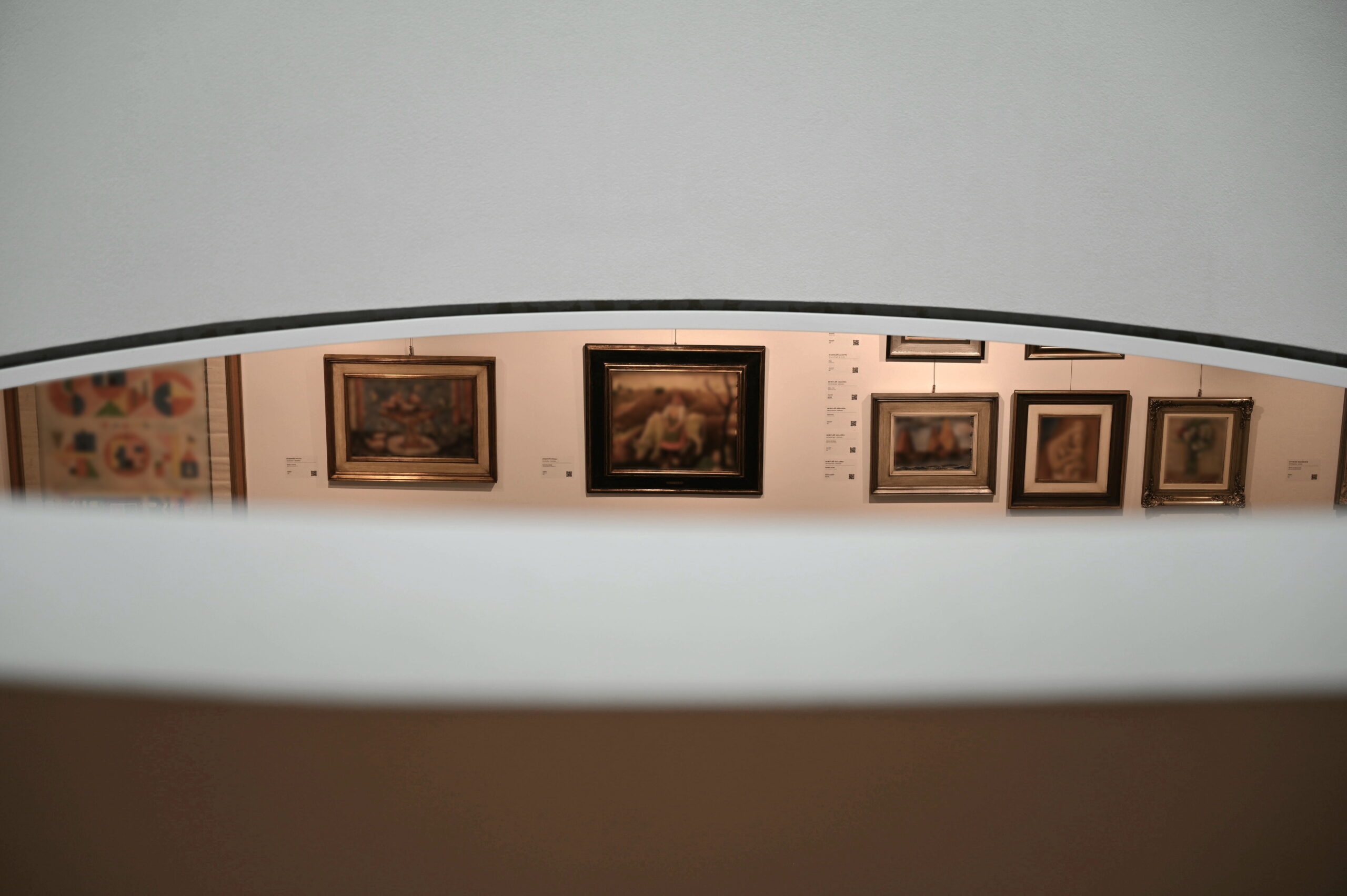
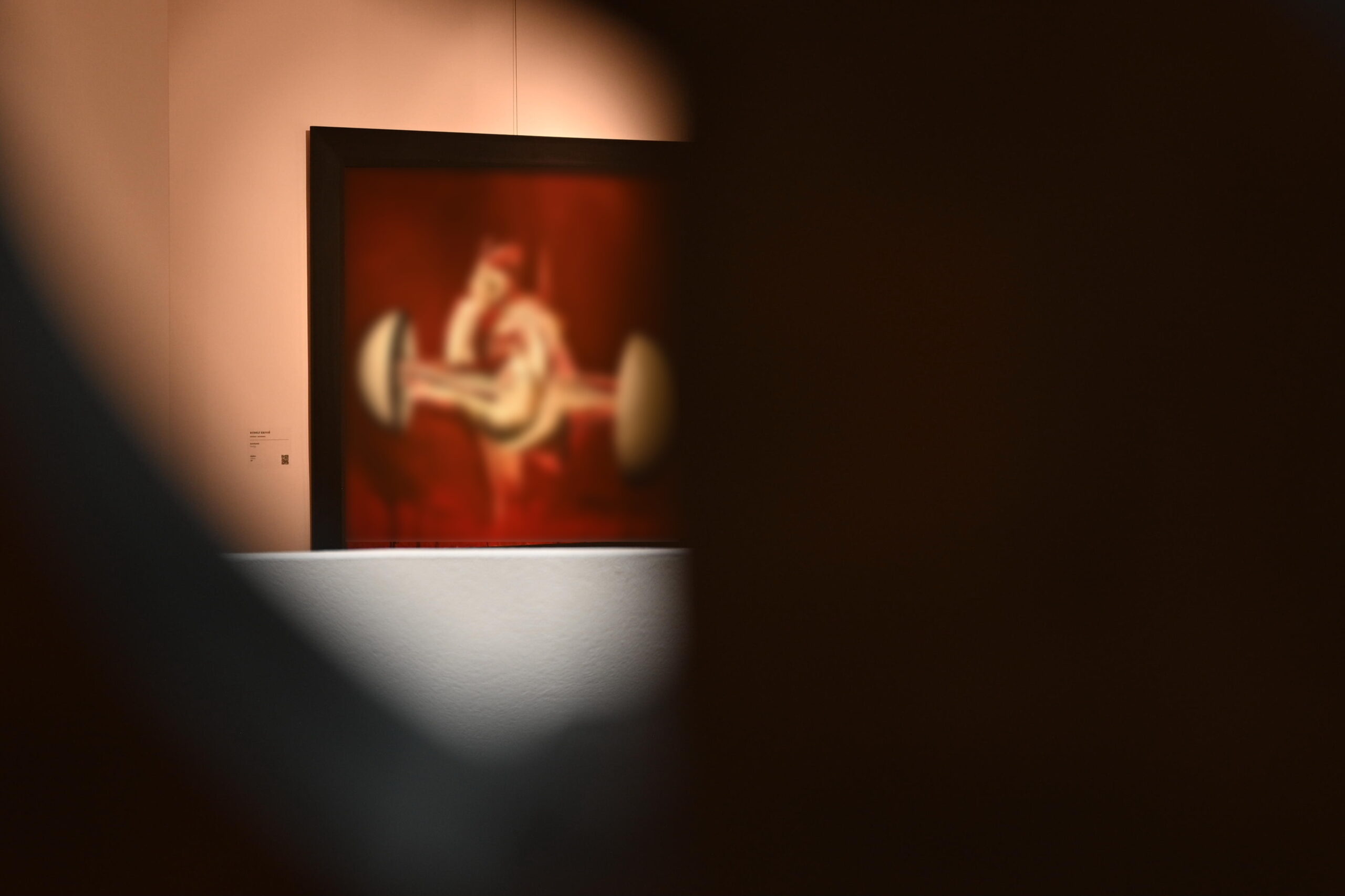
These four levels house the gallery’s permanent exhibition, which represents four key periods in Slovak art history: the late 19th and early 20th centuries, modern art of the interwar period, artists of the Mikulas Galanda Group, and a broader selection of contemporary Slovak art.
In addition to its permanent collection, the Nedbalka Gallery organizes temporary exhibitions that feature works from its depositories as well as pieces by both established and emerging contemporary artists.
Nedbalka Gallery is a philanthropic project located in a historic Classicist building on Nedbalova Street—one of the oldest streets in Bratislava, built on the remnants of the medieval city walls. The building was reconstructed in 2012 to house a private gallery, designed as a smaller version of New York’s Guggenheim Museum. The gallery’s collection includes more than 1,800 artworks by nearly 150 Slovak artists, with approximately 160 paintings on display in the permanent exhibition.
Tips
Nearby restaurants
Nearby Laurinska Street is lined with numerous bars, cafés, bistros and restaurants. At its eastern end, Pollito is well known for its excellent cheesecakes. Heading toward the city center, you will find Soho, a popular Thai restaurant, and Urban House, a laid-back spot with a spacious outdoor seating area. Foodstock offers tasty vegetarian dishes just around the corner on Klobucnicka Street, inside the Old Market Hall building. For those eager to try traditional Slovak cuisine, the massive Flagship restaurant awaits just outside the pedestrian zone on SNP Square.
Things to do nearby
Nedbalova Street lies on the eastern edge of the historic pedestrian zone. Nearby points of interest include the Old Market Hall to the east, and the Primate’s Palace and Old Town Hall to the west. As you approach the end of the oldest part of the city, dare to venture further and discover an early 20th-century quarter, adorned with the Blue Church and other remarkable Art Nouveau buildings.
The building served as a market hall from 1910 until 1960. After the fall of Communism, it was refurbished to return to its original purpose. Since then, it has become a hub for regular Saturday markets, exhibitions, cultural events, and a popular street food zone.
This luxurious residence of the Primate, the Archbishop of Esztergom, was built in 1781 behind the Old Town Hall, on a square that once served as a meat market. In December 1805, the Peace of Pressburg (now Bratislava) was signed in the palace’s Mirror Hall, following the Battle of Austerlitz. The treaty, negotiated between Austria and France, led to the dissolution of the Holy Roman Empire and is commemorated through the Rue de Presbourg in Paris. The Primate’s Palace houses six exquisite English silk-and-wool tapestries from the 1630s, depicting the ancient tale of Hero and Leander, woven at the Royal Mortlake Tapestry Works. Its courtyard features a striking fountain of St. George battling the dragon.
A beautiful complex of the Old Town Hall, built from the 14th to the early 20th centuries, showcases Gothic, Renaissance, Baroque, and Modern architectural styles. Since 1868, it has been housing the City Museum of Bratislava, making it the oldest museum in Slovakia. The permanent exhibition highlights the historic premises, decorations, and artifacts, guiding visitors through the city’s rich and fascinating history. Be sure to climb to the top of the medieval tower for a picturesque view of the Main Square, and don’t miss the wine cellars and the viticulture exhibition located in the adjacent Apponyi Palace.
Bratislava is known for its laid-back atmosphere. Enjoy walks in the historic city center, have a cup of coffee in one of the countless coffee shops, and relax. In the Old Town, everything is within the walking distance. Explore romantic alleys, a Gothic cathedral, medieval city walls, beautiful palaces, and lively historic squares without any haste.
To commemorate the 700th anniversary of the birth of St. Elisabeth, the patron saint of Christian charity, a church dedicated to her was built in the early 20th century next to a new royal Catholic grammar school. This concrete temple was designed in the Vienna Secession style, the Austro-Hungarian interpretation of Art Nouveau, and adorned with tiny blue ceramic tiles that inspired its nickname, the Blue Church. The church’s altar houses relics of St. Elisabeth, along with remains of St. Clement the Roman, St. Vincent, and St. Theodora, making it a cherished spiritual and architectural landmark.