
Chatam Sofer Memorial
Recovered Jewish Burial Shrine
About
The Jewish settlement in Bratislava (formerly Pressburg) has a history spanning several centuries. The Jewish community, which lived below the castle since the 17th century, established their cemetery in the western section of Bratislava’s waterfront. This burial site served Orthodox Jews until 1847, when they began using a new cemetery on Zizkova Street.
Despite its replacement, the old cemetery remained intact for nearly a century, until it was damaged by a flood in 1942 and subsequently removed in 1943 due to the construction of a tunnel under the castle hill. Only the most significant section of the cemetery was preserved, sealed beneath a concrete roof, while the rest of the graves were relocated to the new cemetery.
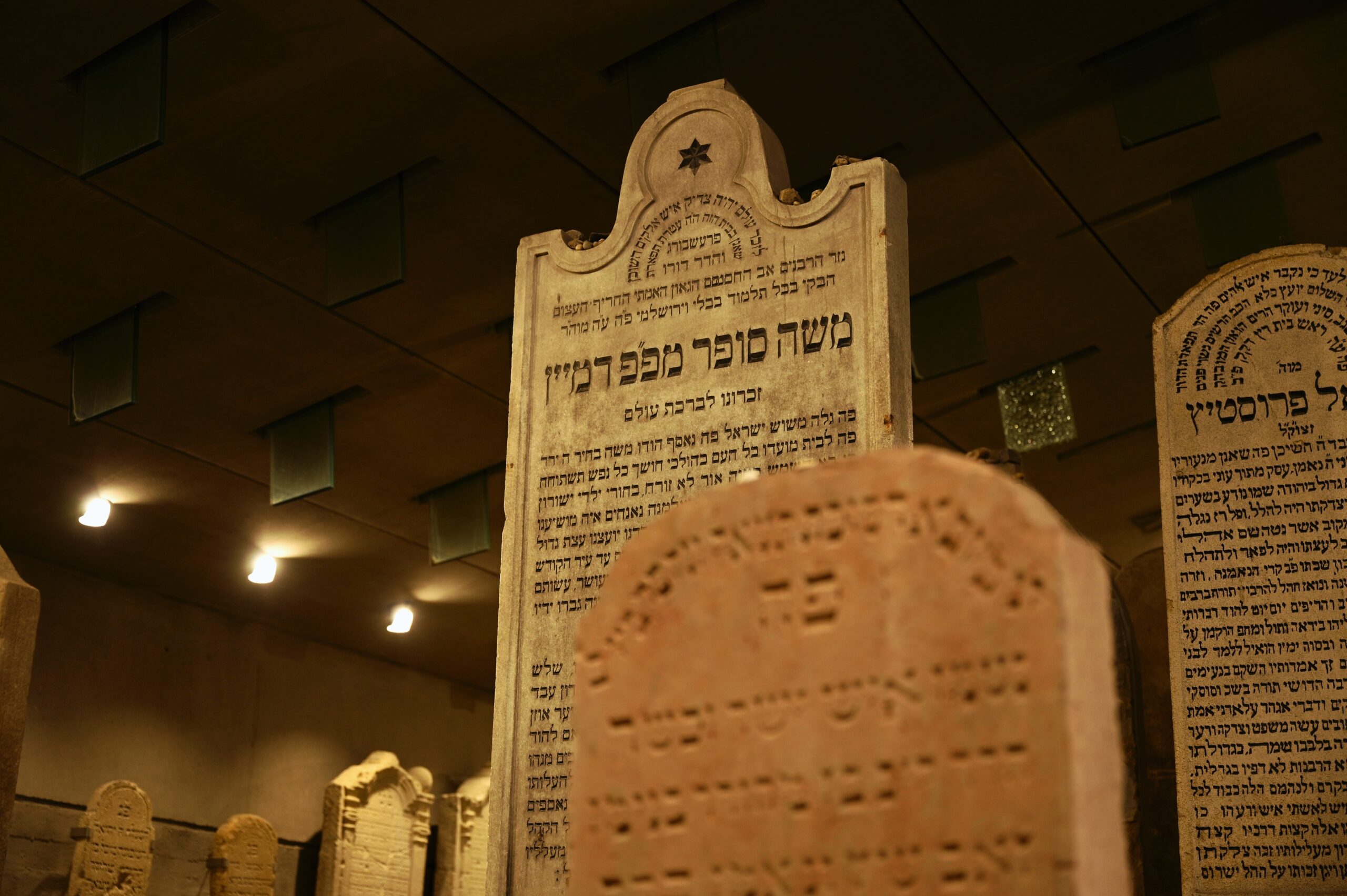
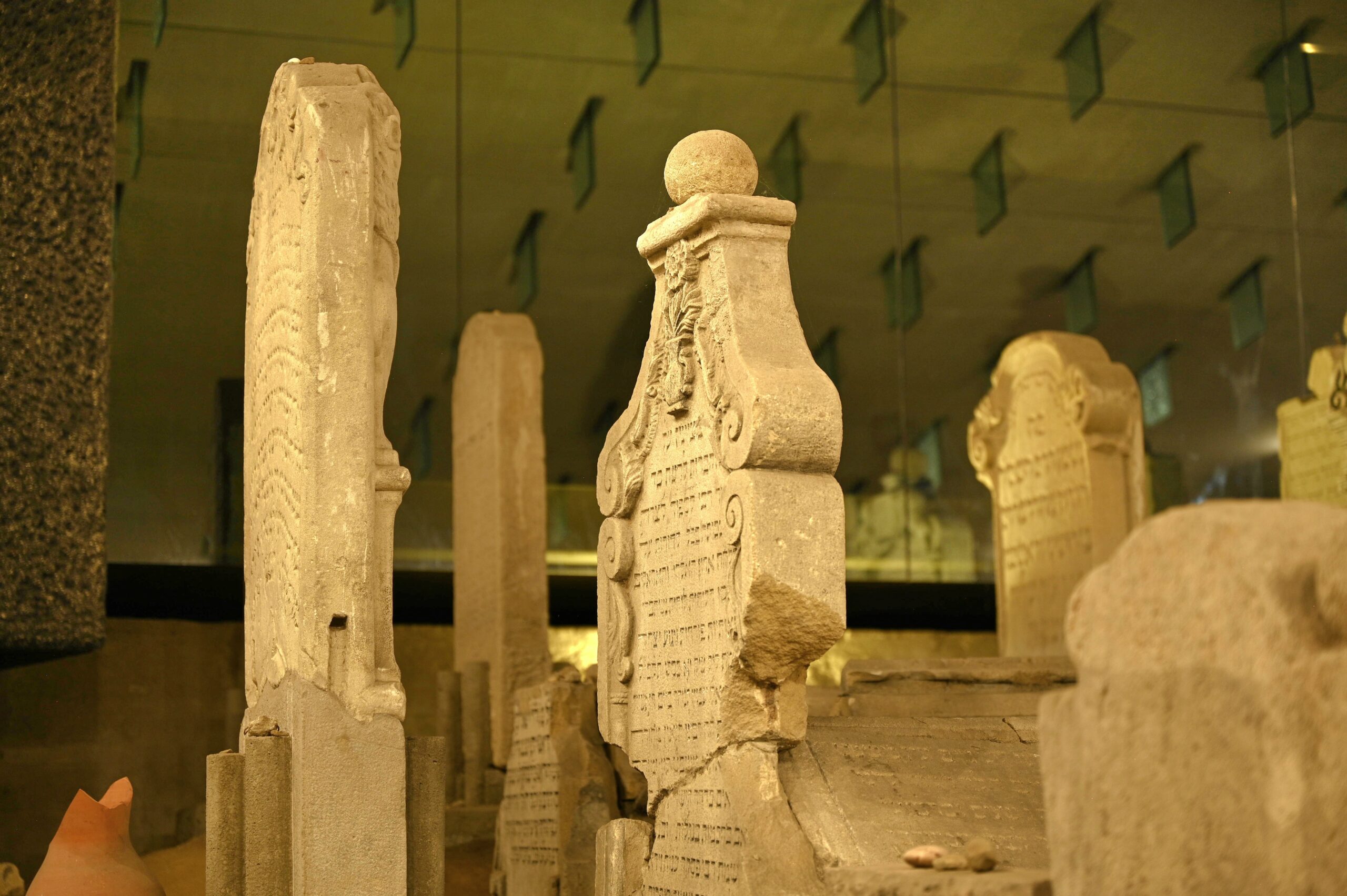
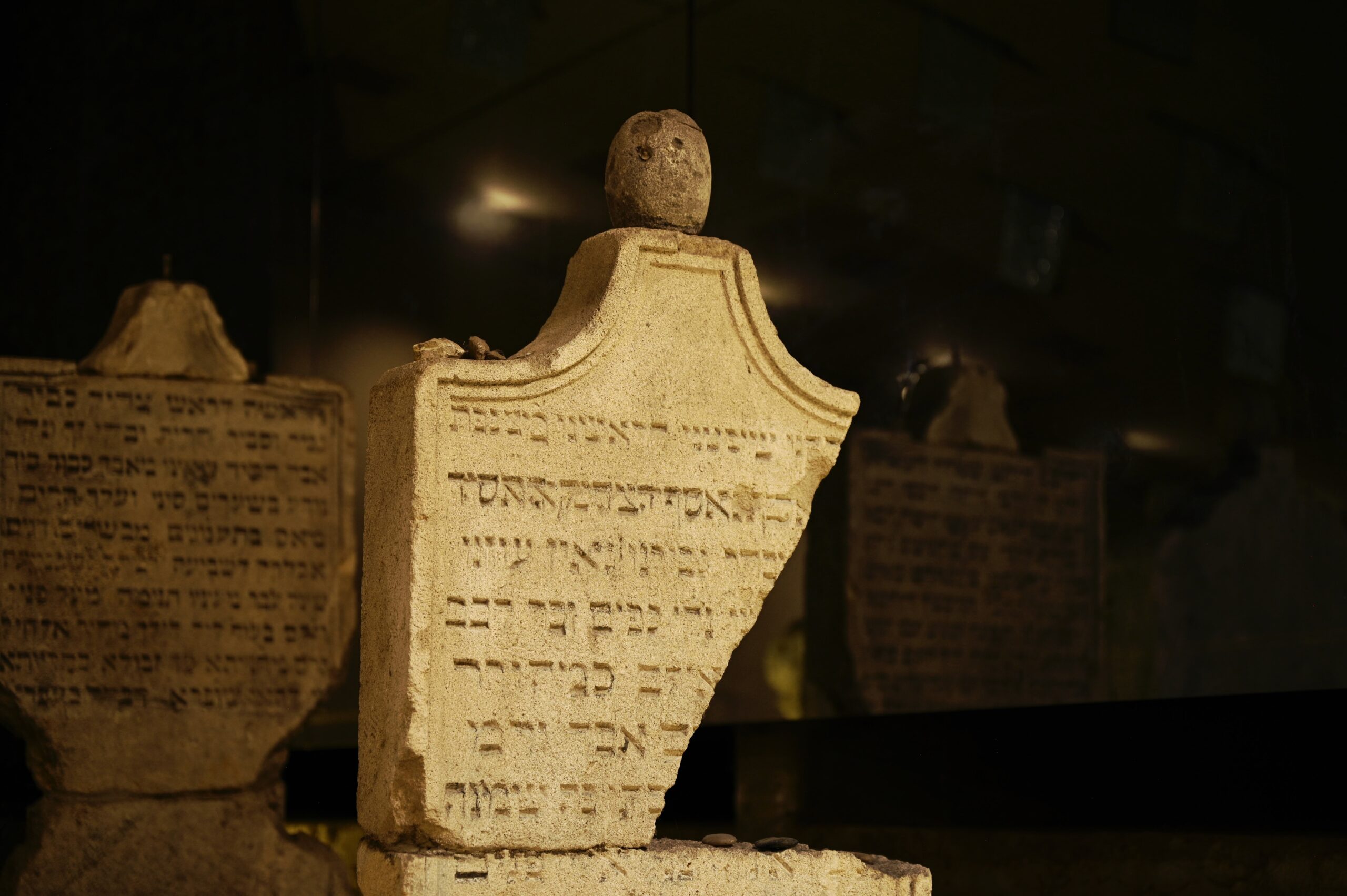
Between 2000 and 2002, a comprehensive reconstruction, designed by architect Martin Kvasnica, enabled the dignified reopening of this long-lost treasure. The Chatam Sofer Memorial is a burial shrine that houses 23 graves and 41 tombstones of prominent Orthodox rabbis and scholars, including Chatam Sofer (Moses Schreiber), the founder of the influential Pressburg Yeshiva and one of the most important Jewish scholars of the 19th century.
Under Rabbi Moshe Schreiber, the Pressburg Yeshiva became the largest rabbinic school in Europe and, with an enrollment of up to 300–400 students, was perhaps the largest since the Babylonian academies a thousand years earlier. Chatam Sofer’s Yeshiva served as a bastion of Orthodox Jewry in Central Europe, particularly within the Austro-Hungarian Empire.
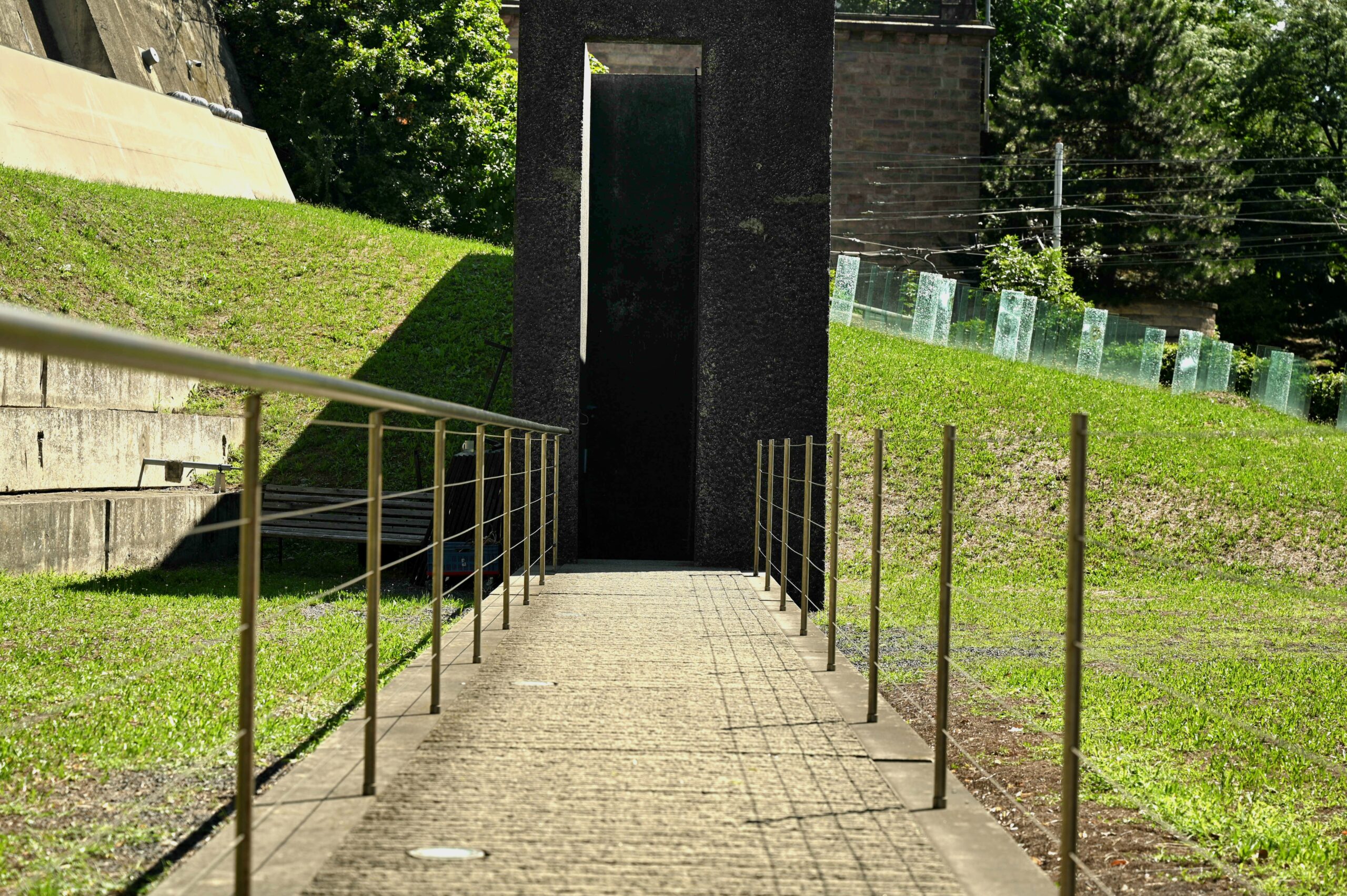
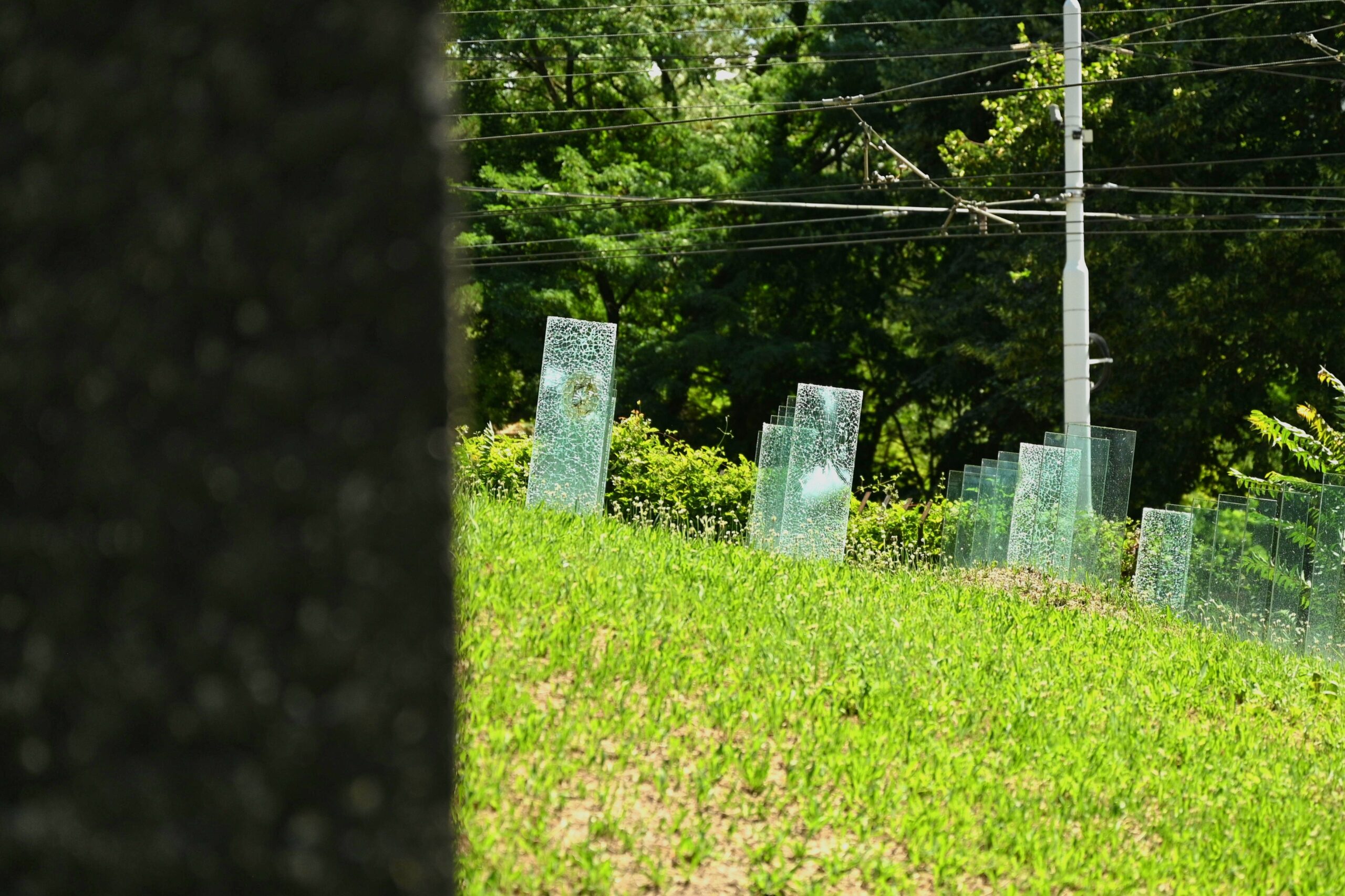
The memorial harmoniously combines the requirements of Jewish law with contemporary architectural design. The underground shrine houses the graves and tombstones, while above ground, several striking elements mark the site: a footbridge over the destroyed section of the cemetery, a black concrete entrance structure shaped like an open prism, and 49 glass plates that transition into the interior of the shrine. These glass plates represent the lost gravestones, creating a poignant connection between the past and the present.
Tips
Nearby restaurants
If you choose to dine near the Chatam Sofer Memorial, there are several options to consider. Following the destruction of the Jewish Quarter during the Communist era and the subsequent decline of the area, a modern residential and business district has been developed, offering a range of upscale choices. These include Bistronomy, a prestigious cuisine served in a relaxed atmosphere; Certo Zuckermandel, an Italian fine-dining restaurant; Damian, a cozy beer garden; and Mandla, a charming coffee shop. Across the road, the Riverpark complex provides additional options just steps from the riverbank, including the Wabi Sabi Japanese restaurant.
Things to do nearby
The area is separate from the Old Town promenade but remains accessible via the Waterfront promenade or tram line 4. For those willing to climb the hill using the steep stairs (Strme schody), Bratislava Castle is also within easy reach. For visitors interested in exploring more of the city’s rich Jewish heritage, the new Orthodox cemetery and the Neolog cemetery are located just a few minutes’ walk from the Memorial.
The Danube is the second-largest river in Europe, connecting 10 countries from Germany’s Black Forest to Ukraine’s Black Sea delta. It has shaped Bratislava’s history since time immemorial, serving as a trade route, imperial frontier, natural defense line, and source of food. Today, the riverfront promenade is a lively public space for locals and visitors alike, acting as a meeting point, recreational hub, shopping area, and gateway to the Old Town’s treasures. With green spaces, shops, restaurants, and cafés, it offers everything needed for relaxation.
Perched on a hill where people have dwelled since the Stone Age and where the Celts minted their well-known Biatec coins, Bratislava Castle stands tall as the most impressive landmark in the city. For centuries, it was overseeing the intersection of Europe’s major trade routes – the Danube River and the Amber Road. Today, it exhibits a historical museum and a baroque garden. The castle walls and the castle park remain accessible at all times, offering one of the finest views of the city’s panorama.
Bratislava is known for its laid-back atmosphere. Enjoy walks in the historic city center, have a cup of coffee in one of the countless coffee shops, and relax. In the Old Town, everything is within the walking distance. Explore romantic alleys, a Gothic cathedral, medieval city walls, beautiful palaces, and lively historic squares without any haste.
The Museum of the Jewish Culture guides you through the history of Jews in this region since the Middle Ages. The artifacts demonstrate the community’s daily life, holidays, and key personalities, as well as the interior design of a synagogue. It also features a commemorative exhibition dedicated to 70,000 victims of the Holocaust from Slovakia. The museum, a specialized body under the Slovak National Museum, is located in a 17th century late-Renaissance mansion built in the Jewish quarter, an area between the inner city and the castle.