Waterfront

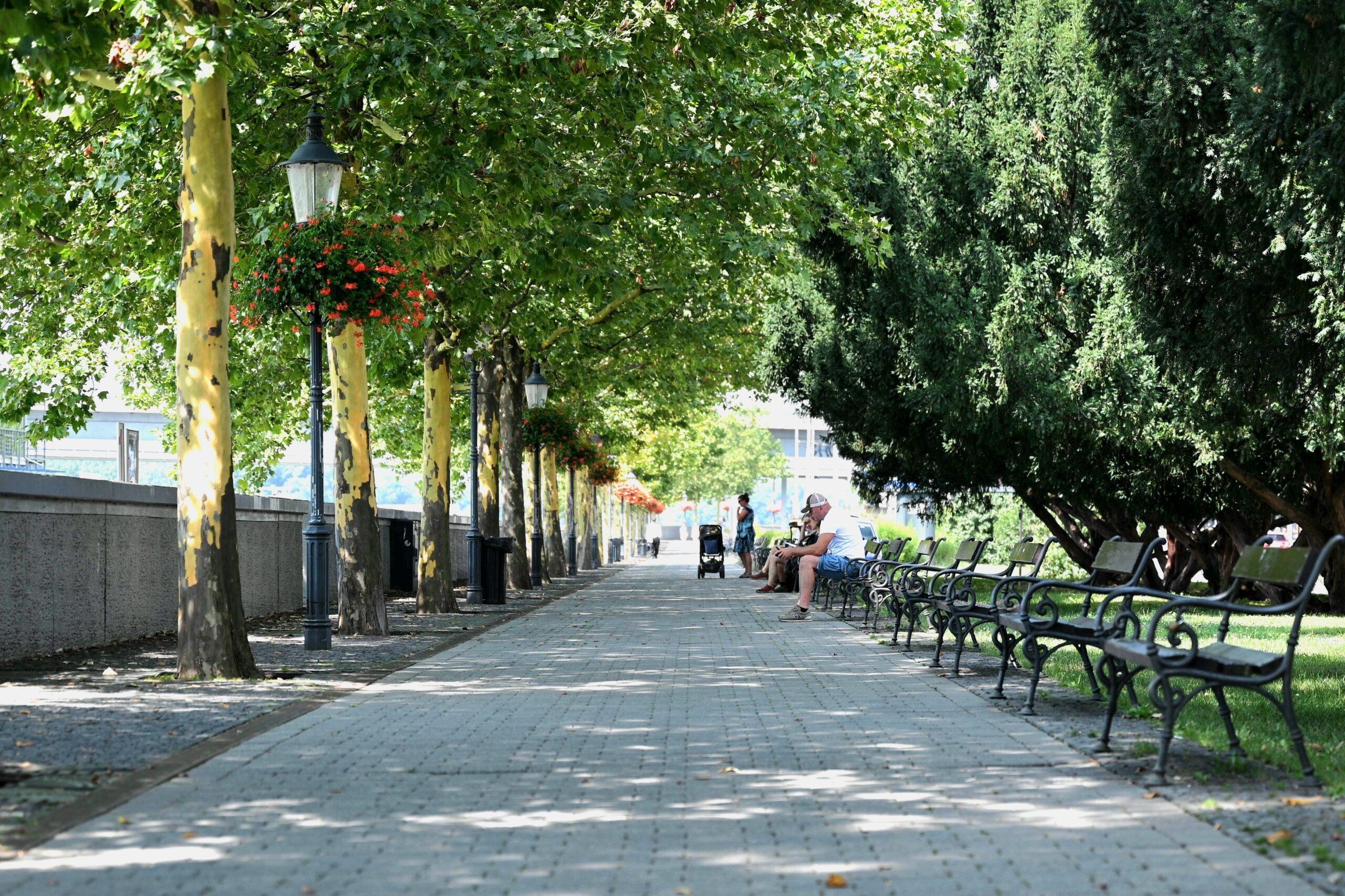
The Danube is the second-largest river in Europe, connecting 10 countries from Germany’s Black Forest to Ukraine’s Black Sea delta. It has shaped Bratislava’s history since time immemorial, serving as a trade route, imperial frontier, natural defense line, and source of food. Today, the riverfront promenade is a lively public space for locals and visitors alike, acting as a meeting point, recreational hub, shopping area, and gateway to the Old Town’s treasures. With green spaces, shops, restaurants, and cafés, it offers everything needed for relaxation.

0 Comments

Janko Kral Park

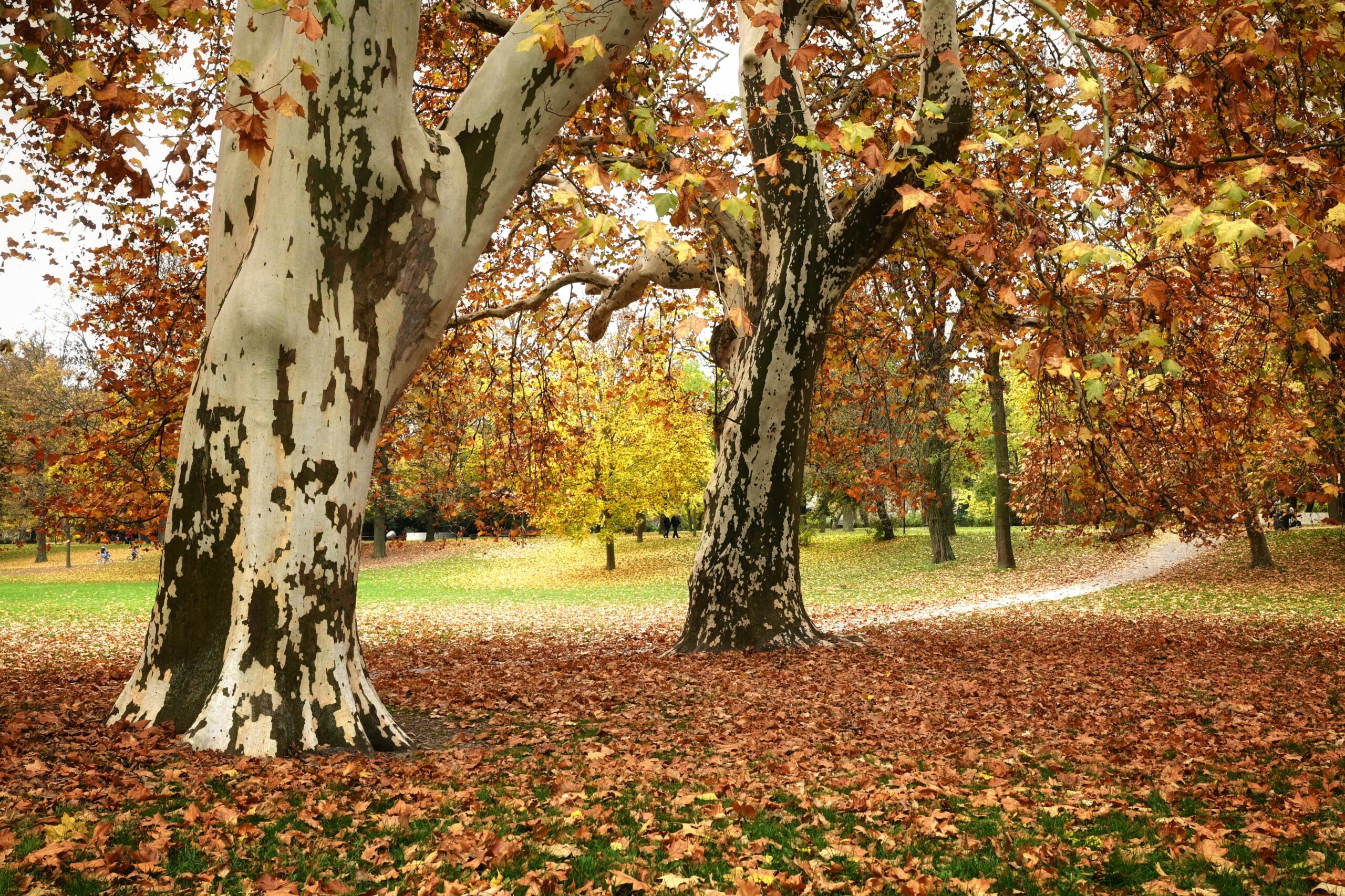
Although named after a 19th century romantic poet and Slovak national activist Janko Kral whose statue is situated at the central crossroads, the park’s origins are much older. It was established in 1774-1776 as the first park for the general public (not just for the nobility) in Central Europe. Janko Kral Park features precious old trees, resting areas with sculptures representing the zodiac signs, and a unique gothic gazebo, originally a tower of the Franciscan Church in the Old Town.

0 Comments

Devin Castle

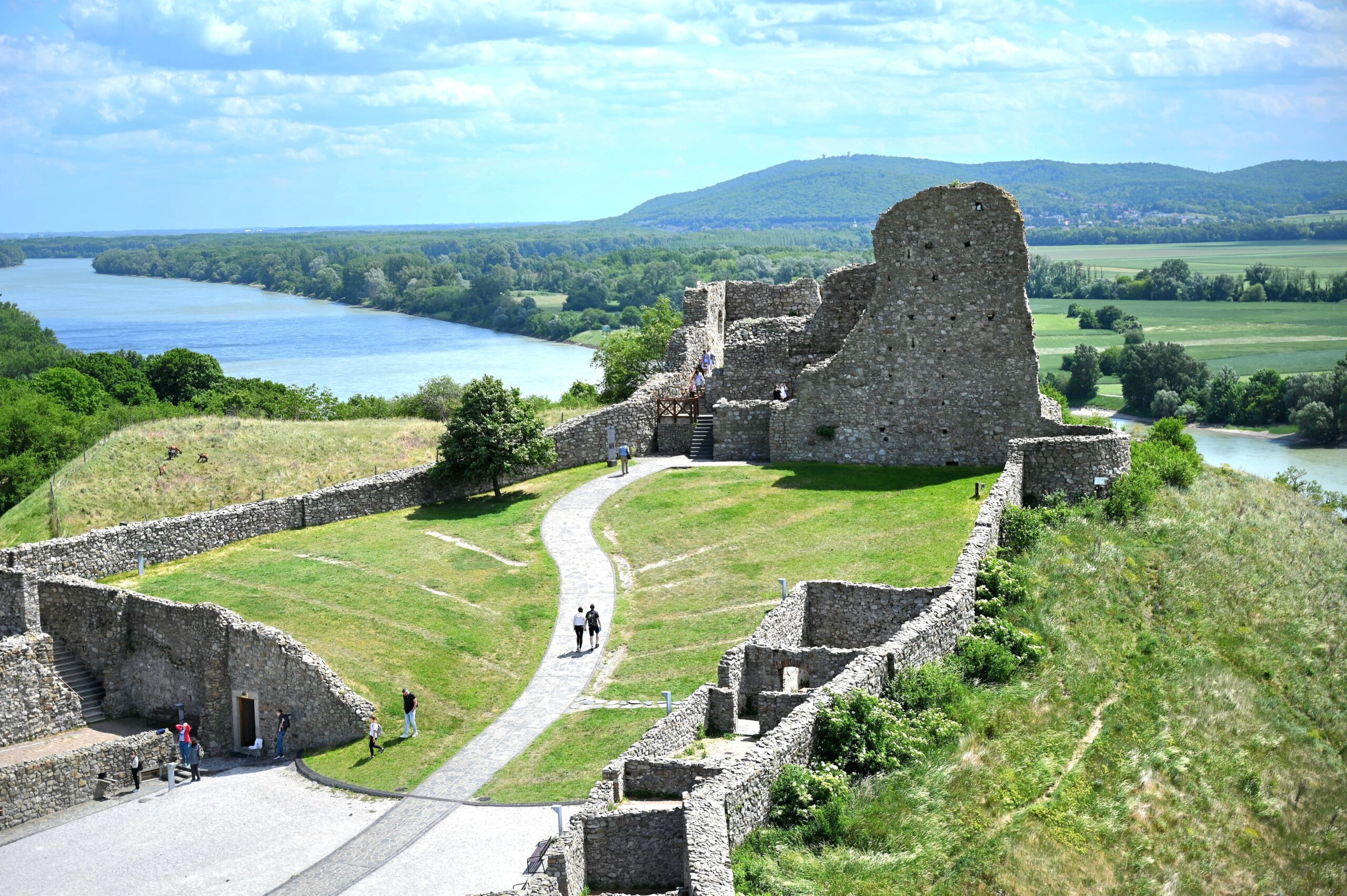
Castle Hill, located at the confluence of the Danube and Morava Rivers, is one of Slovakia’s most significant archaeological sites. From prehistoric cultures, through the Roman and Germanic period, to the Slavs who built one of their earliest castles here, this site has witnessed continuous human settlement spanning thousands of years. The nearly thousand-year-old Devin Castle was destroyed by Napoleonic forces in 1809, but in the decades that followed, it became a symbol of Slovak national emancipation. During the Communist regime, the location gained notoriety as a perilous escape route to Austria. Today, the Gate of Freedom memorial, situated beneath the castle cliff, honors the memory of more than 400 people who were killed attempting to flee Czechoslovakia.

0 Comments