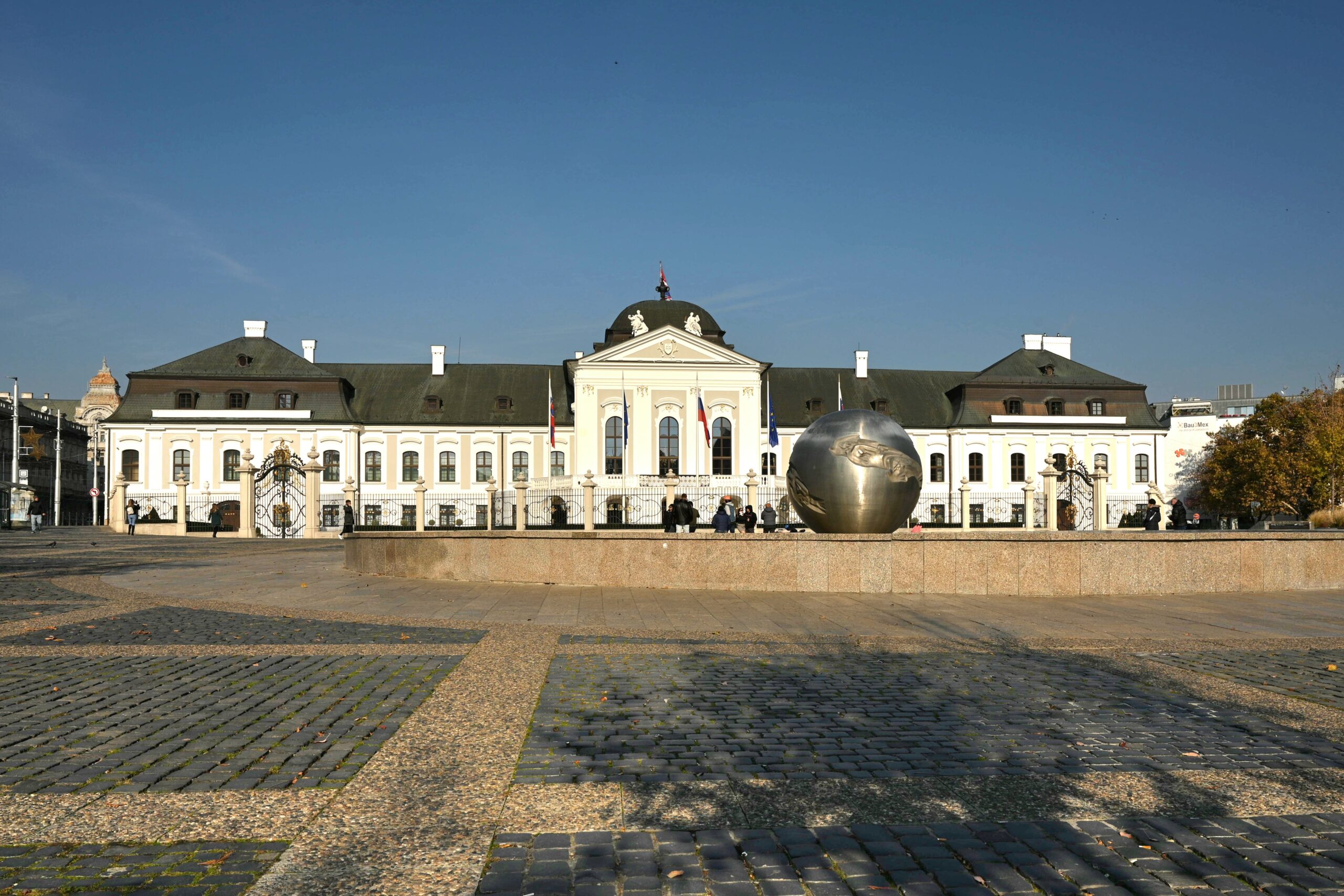

Grassalkovich Palace
The seat of the President
About
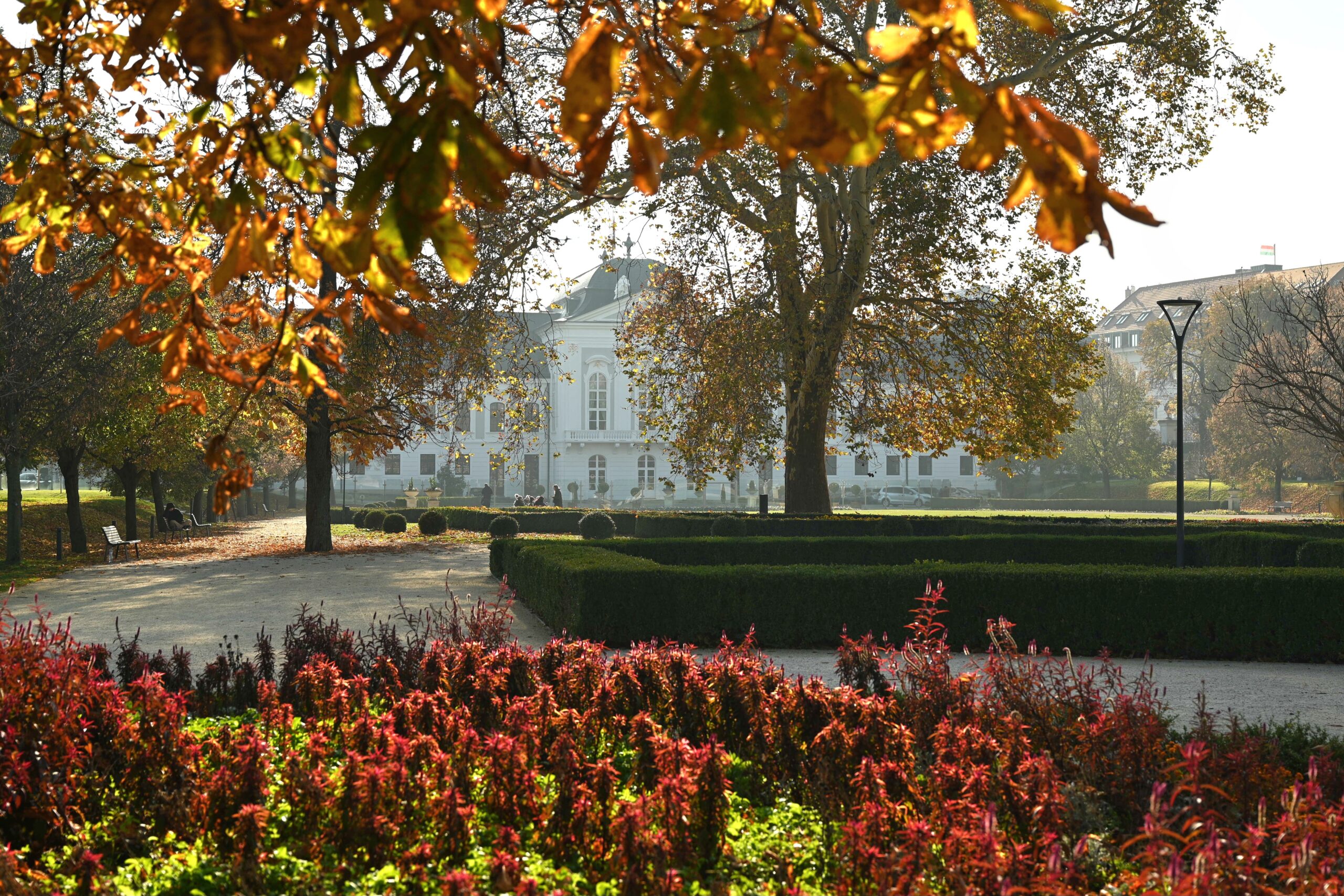
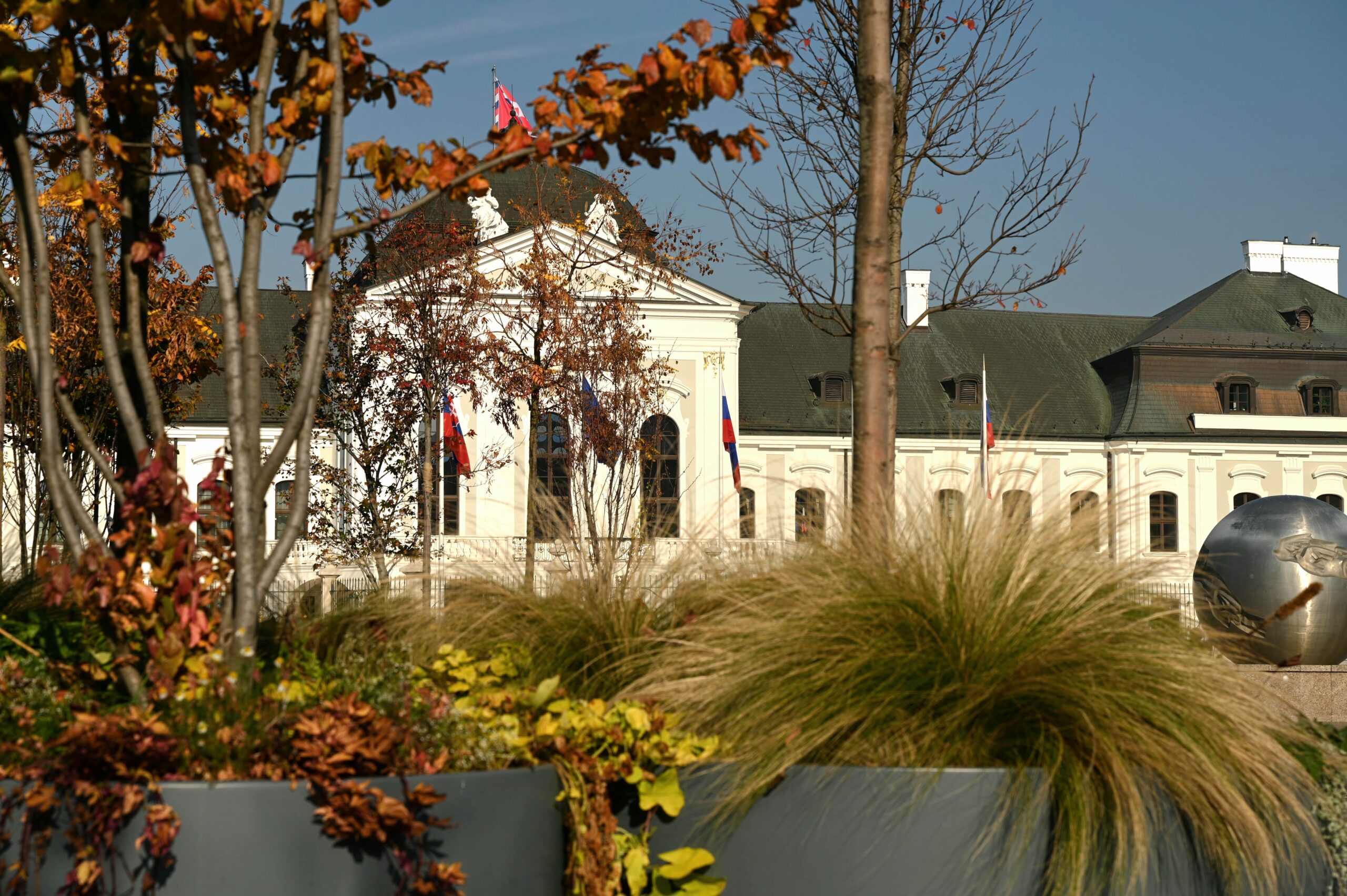
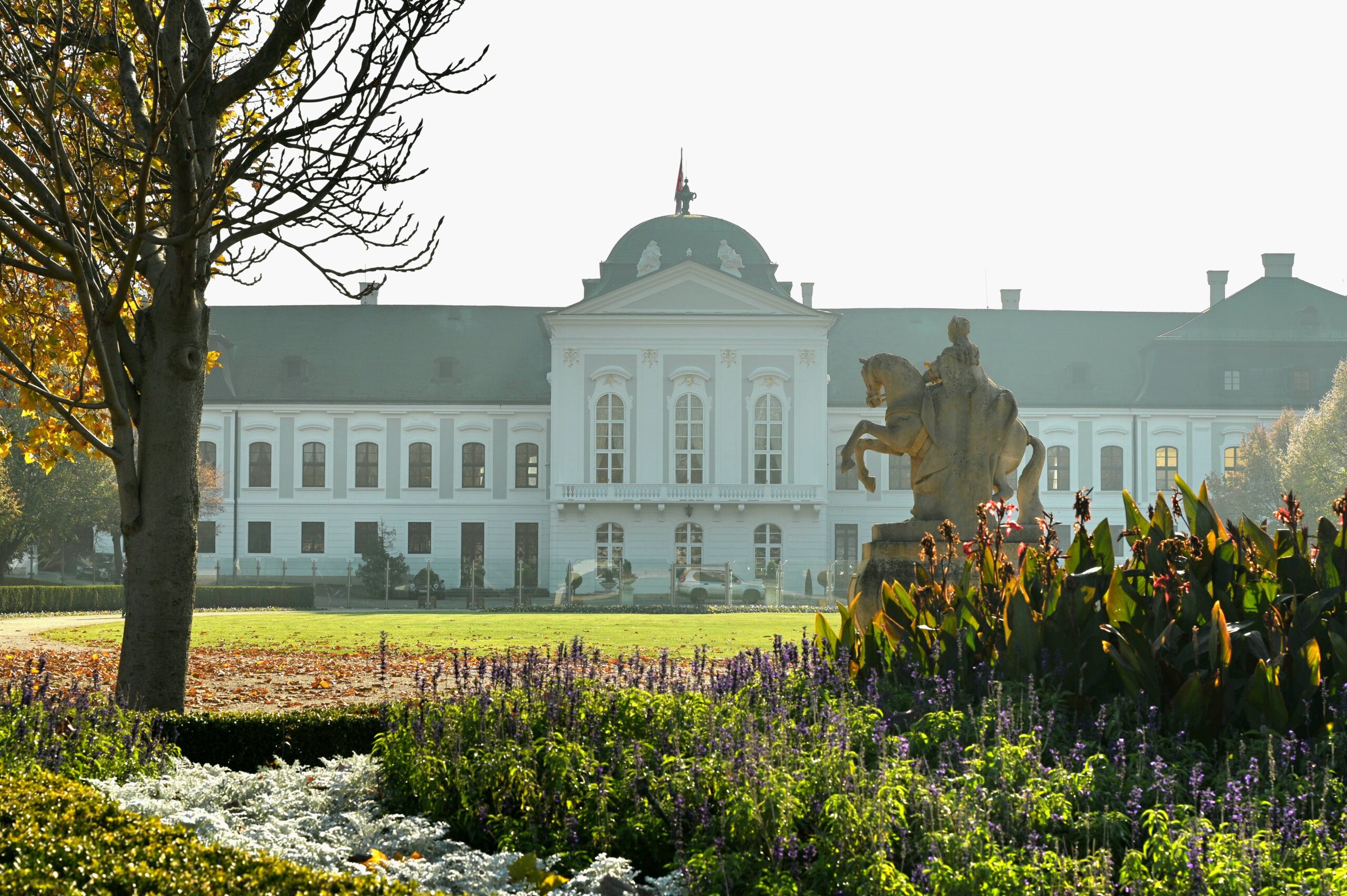
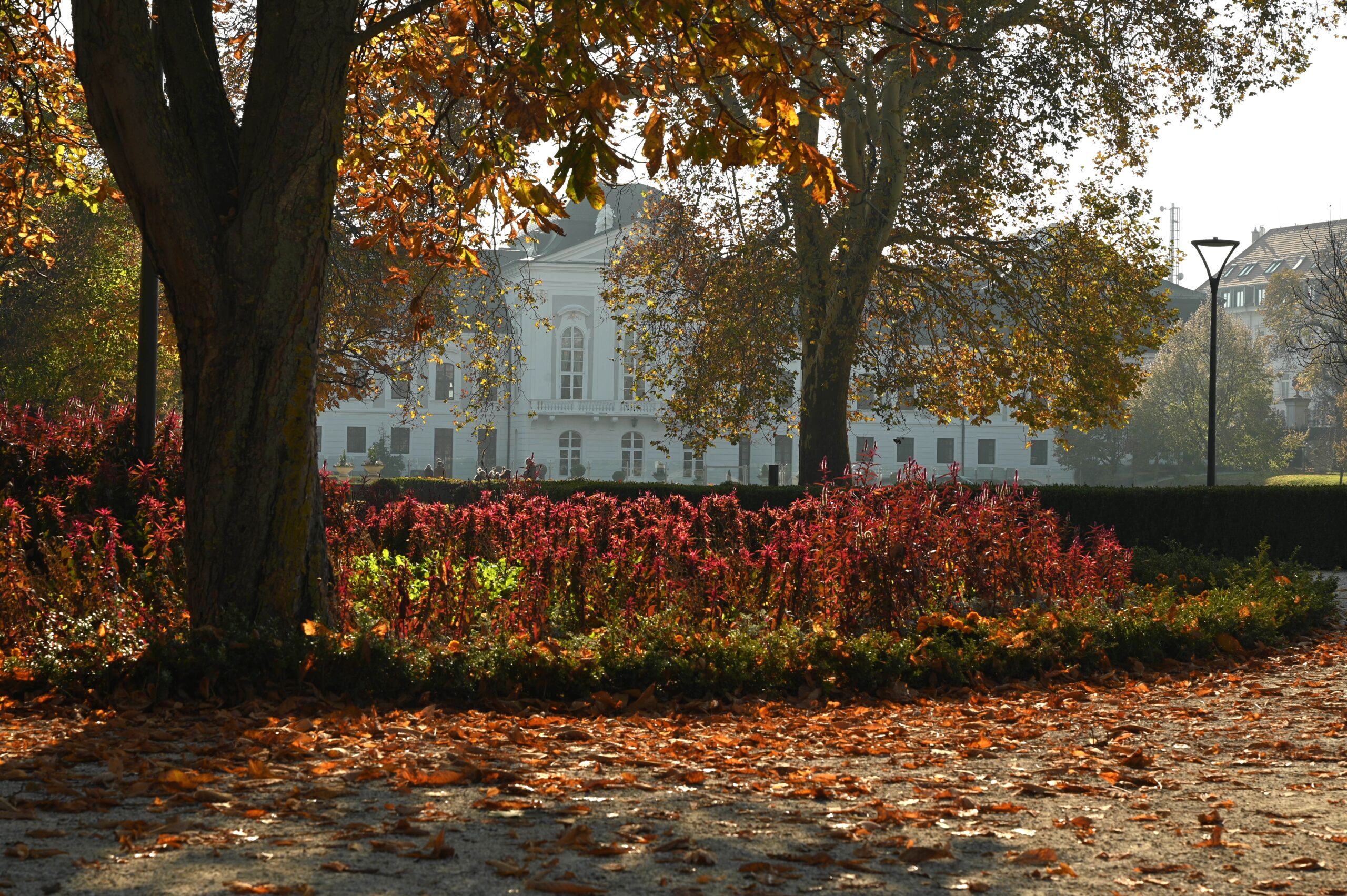
This Rococo palace, built in 1760 by Count Anton Grassalkovich as his summer residence, was once a popular gathering spot for nobility. The Grassalkovich Palace was famously visited by Empress Maria Theresa in 1775 and served as a venue for composer Joseph Haydn to premiere some of his works.
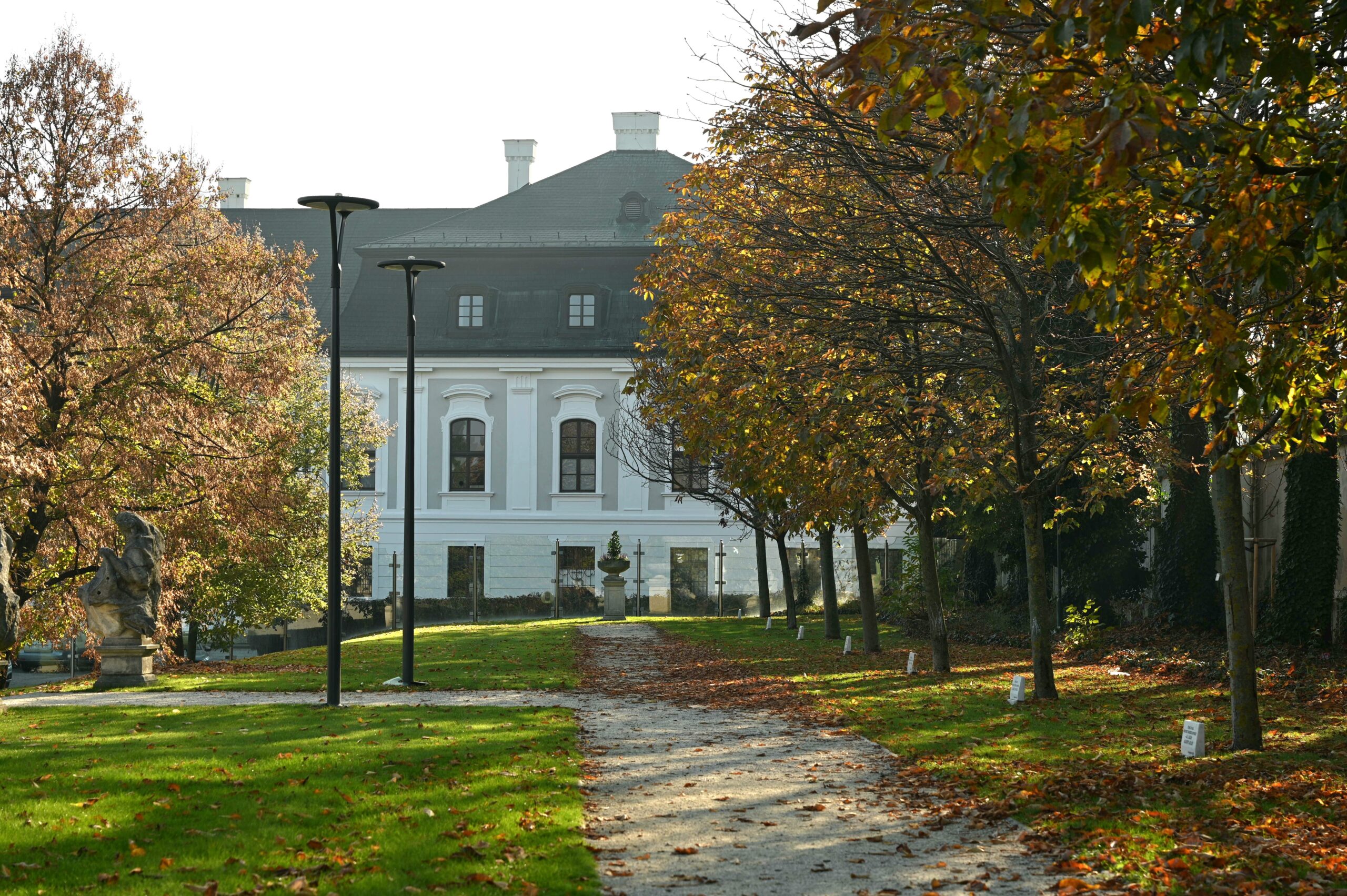
Following an extensive reconstruction, the Grassalkovich Palace became the official seat of the President of the Slovak Republic in 1996. Known as the Presidential Palace, it has been closed to the public ever since. When the president is present, the presidential standard is raised atop the building, and an hourly changing of the guards occurs, with the main ceremony taking place at noon. In front of the main gate, the Planet of Peace (Earth) Fountain serves as the focal point of interest at Hodzovo Square.
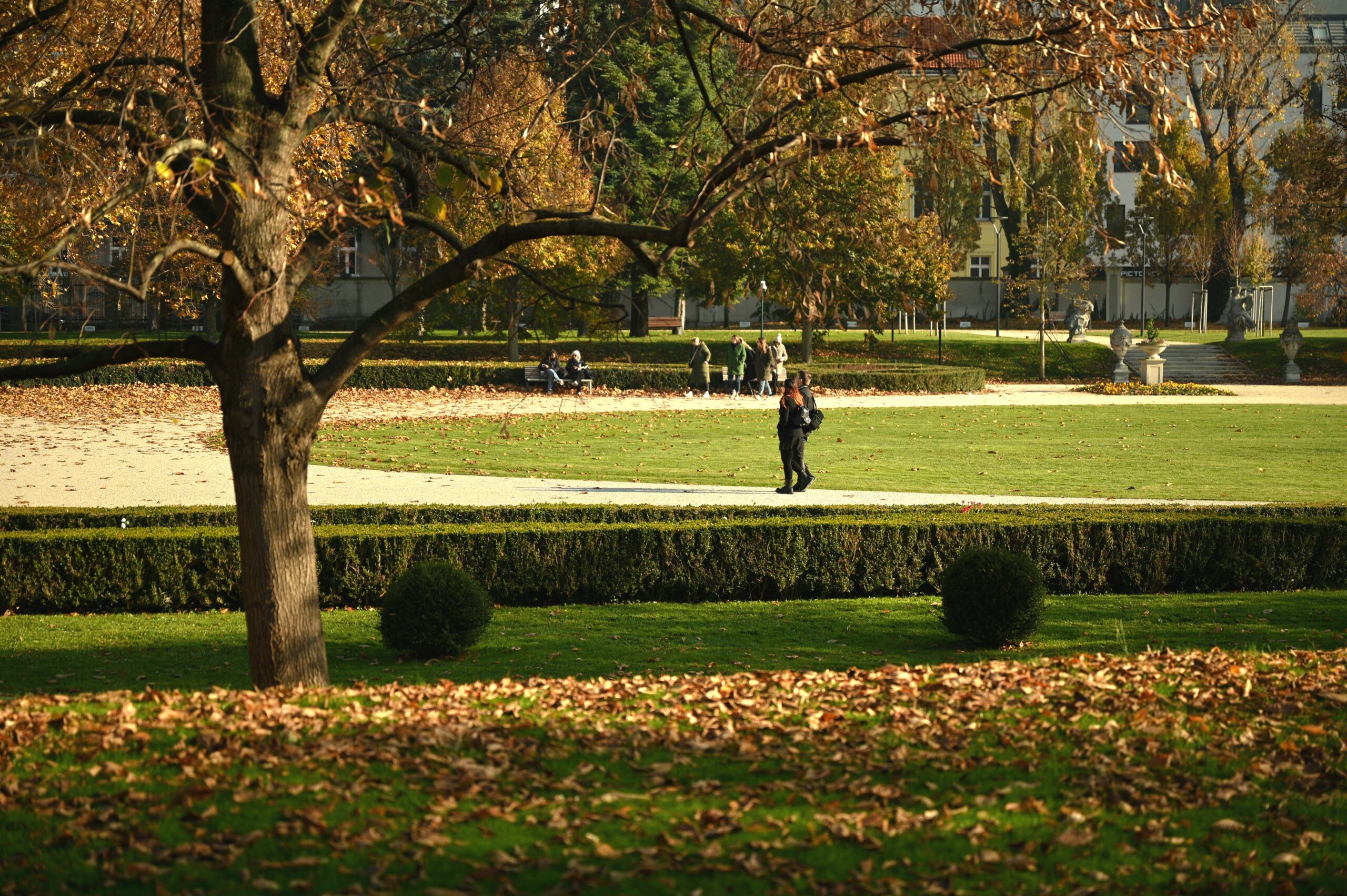
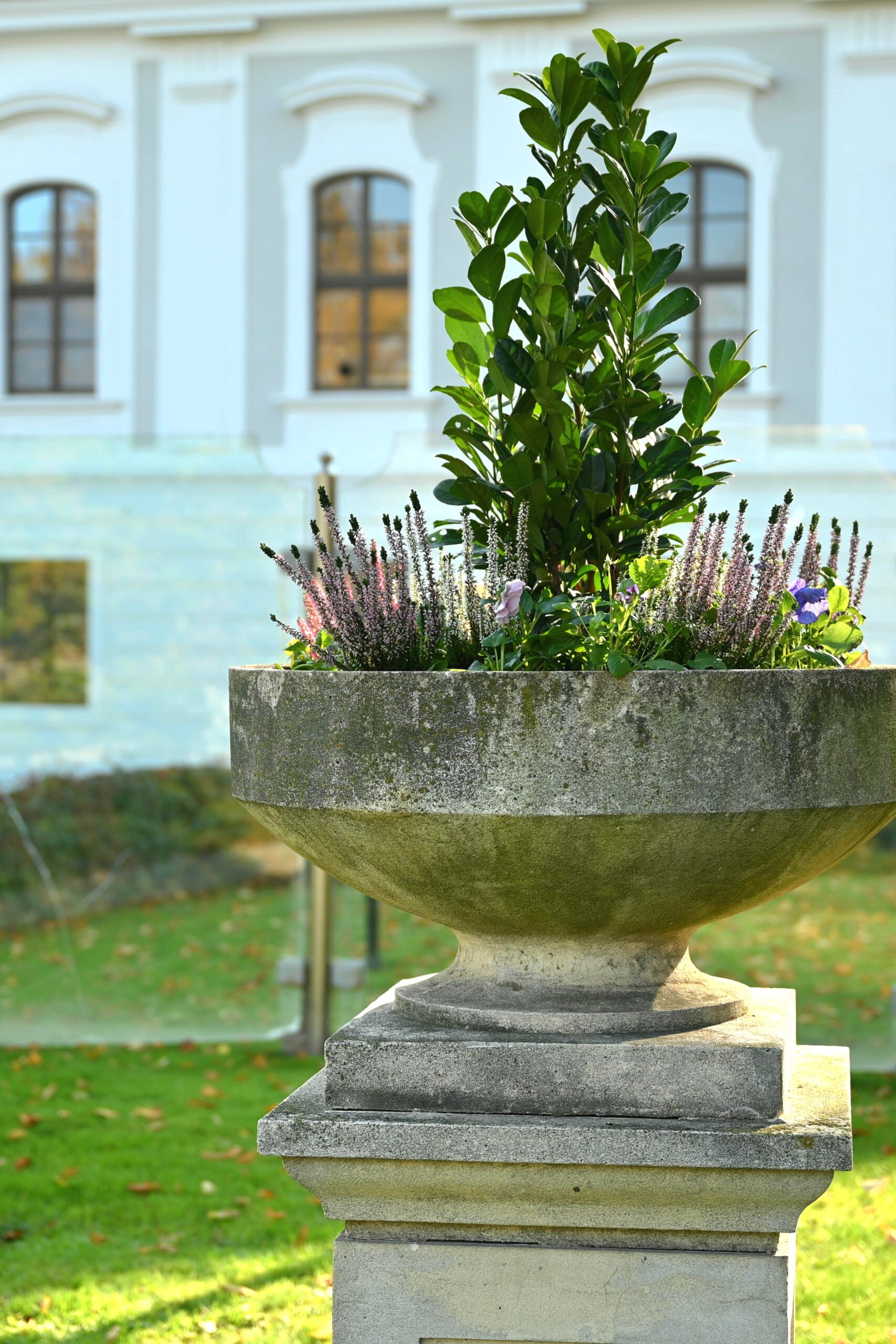
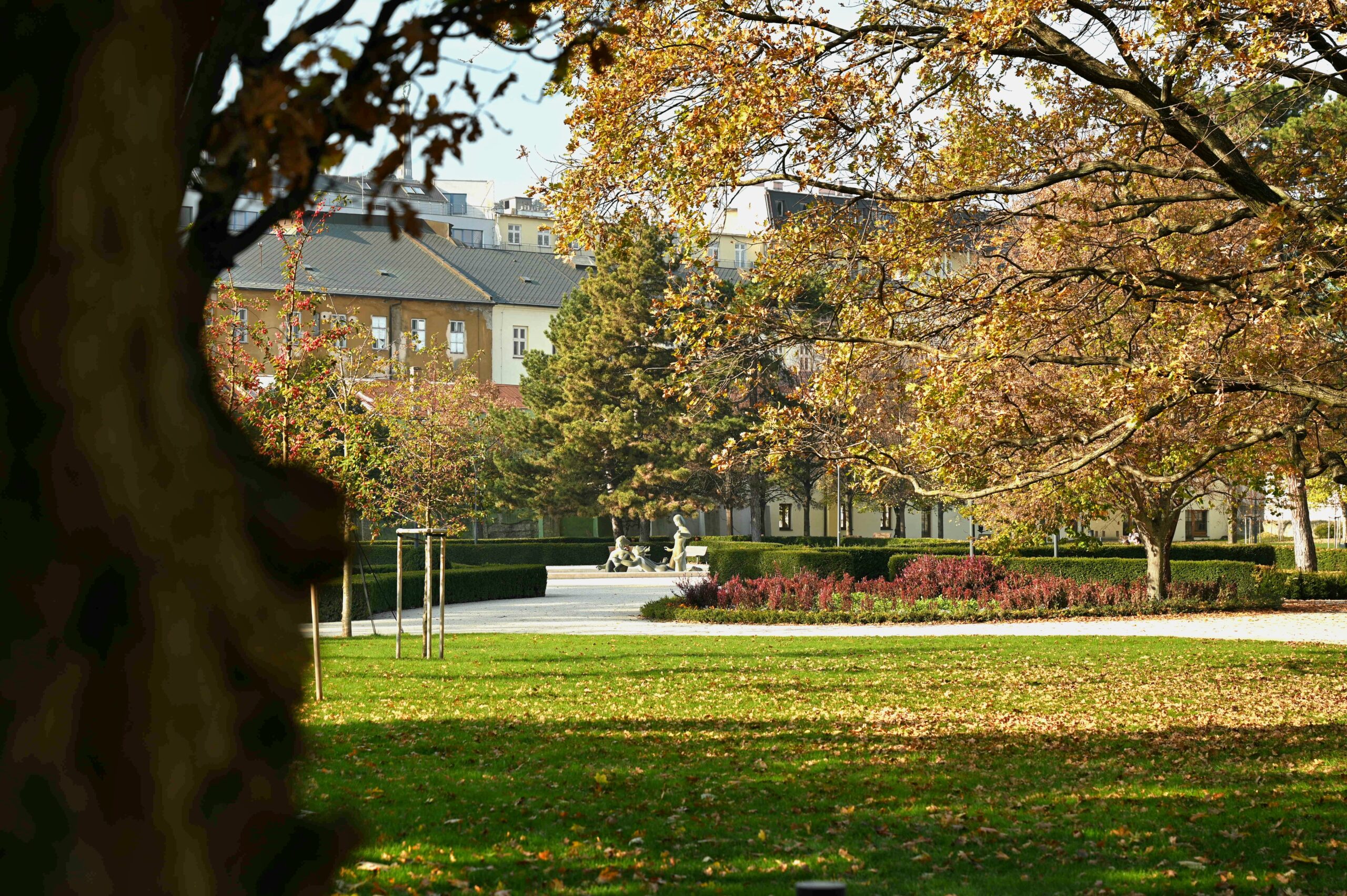
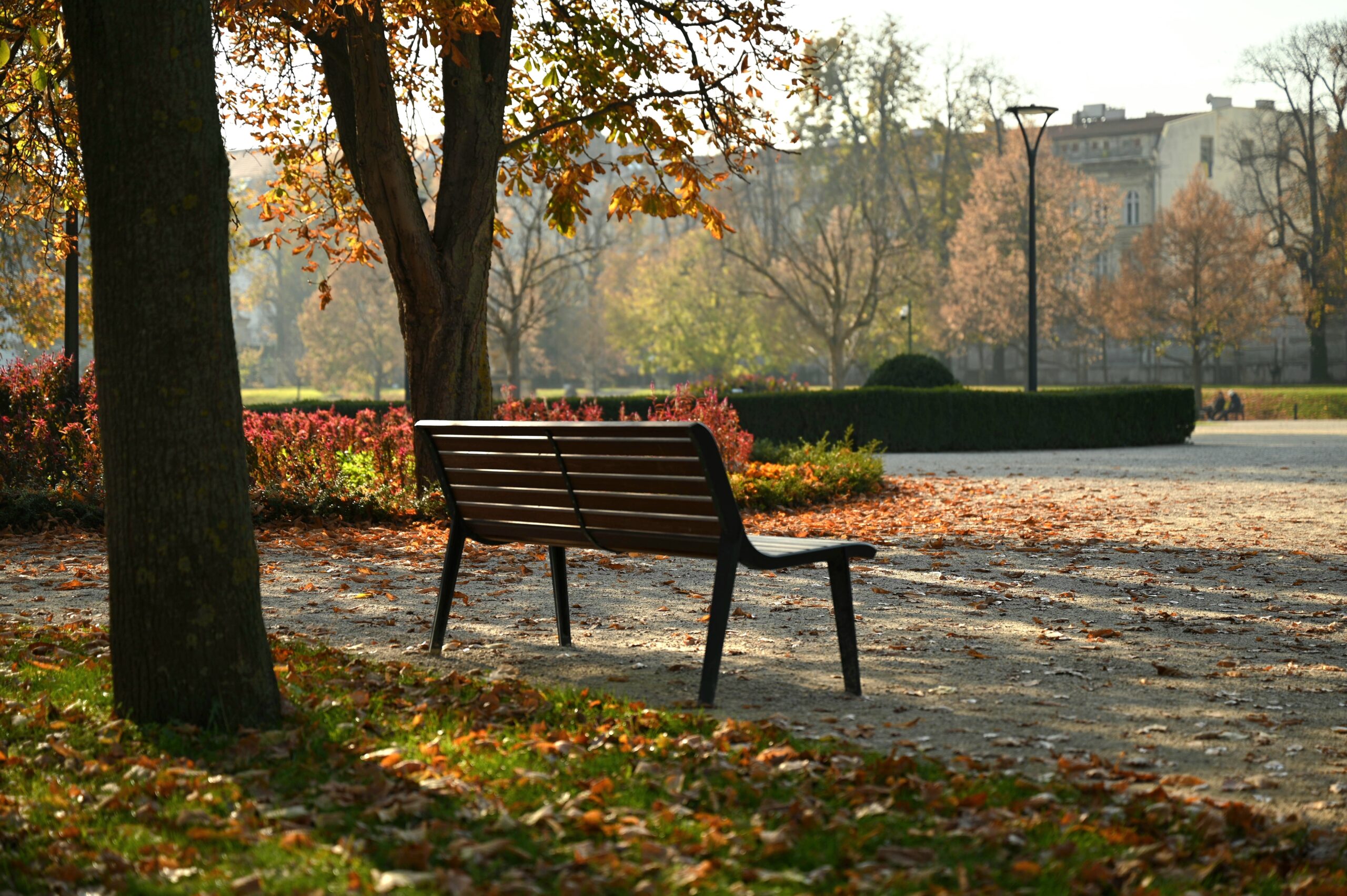
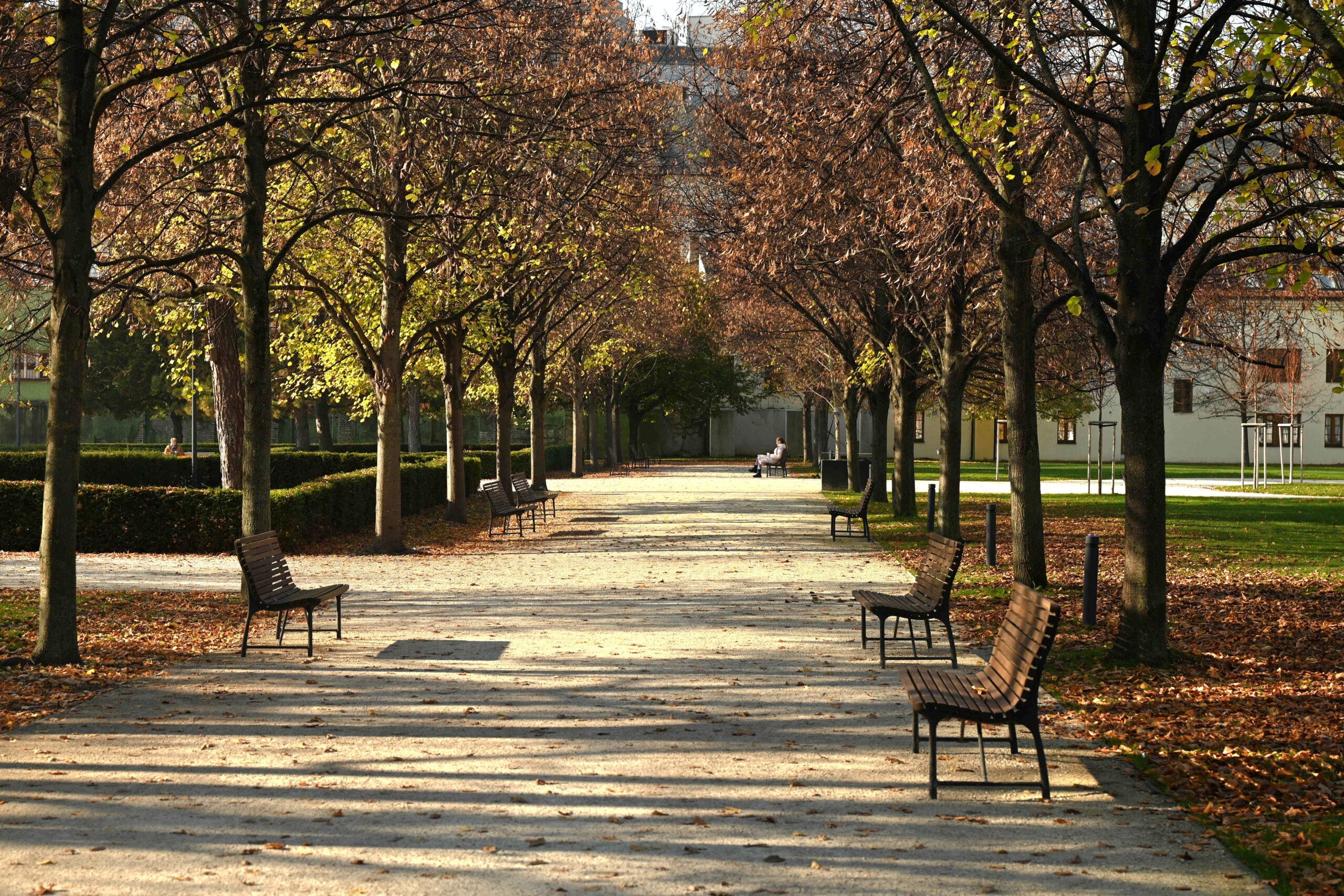
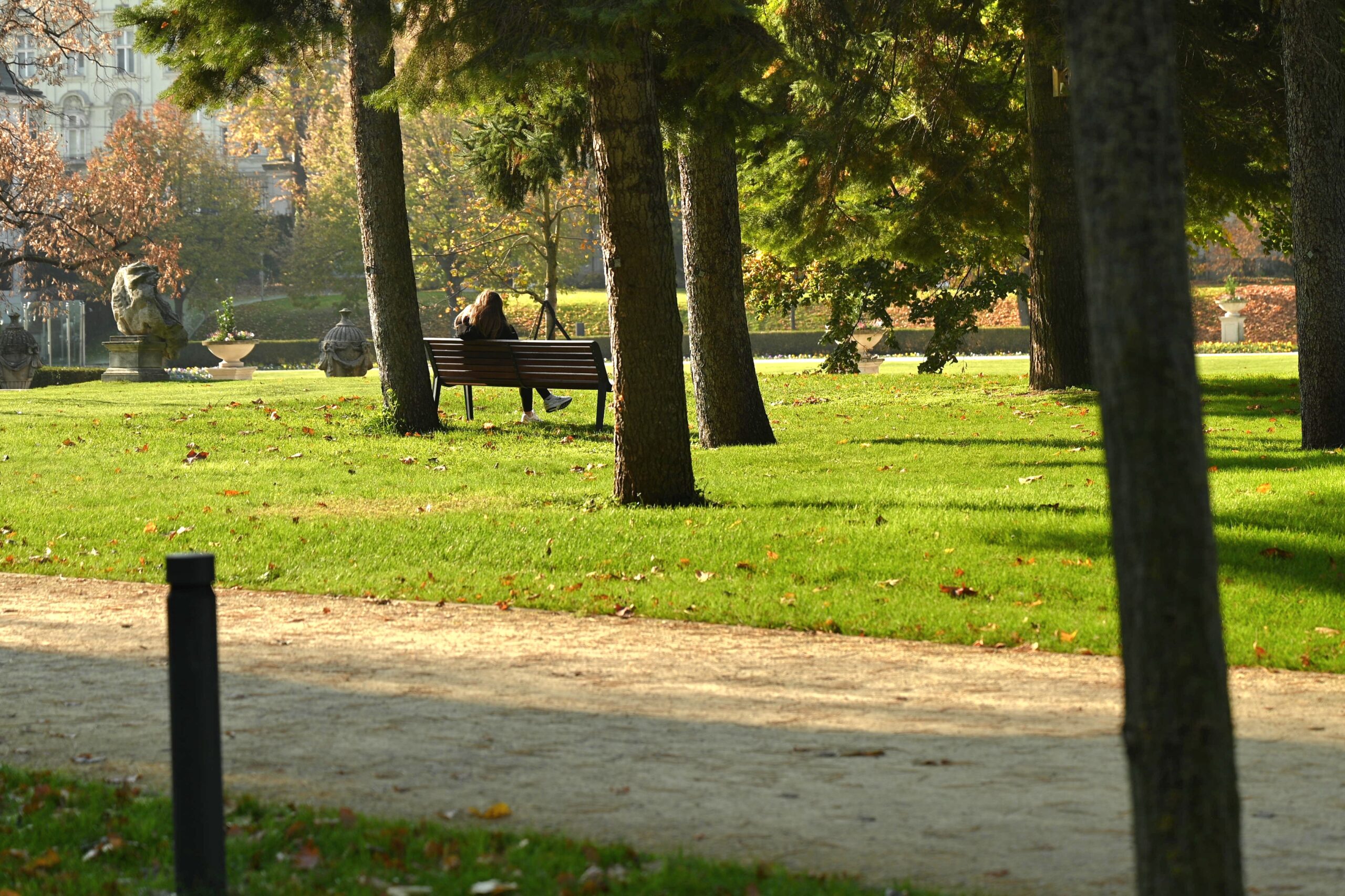
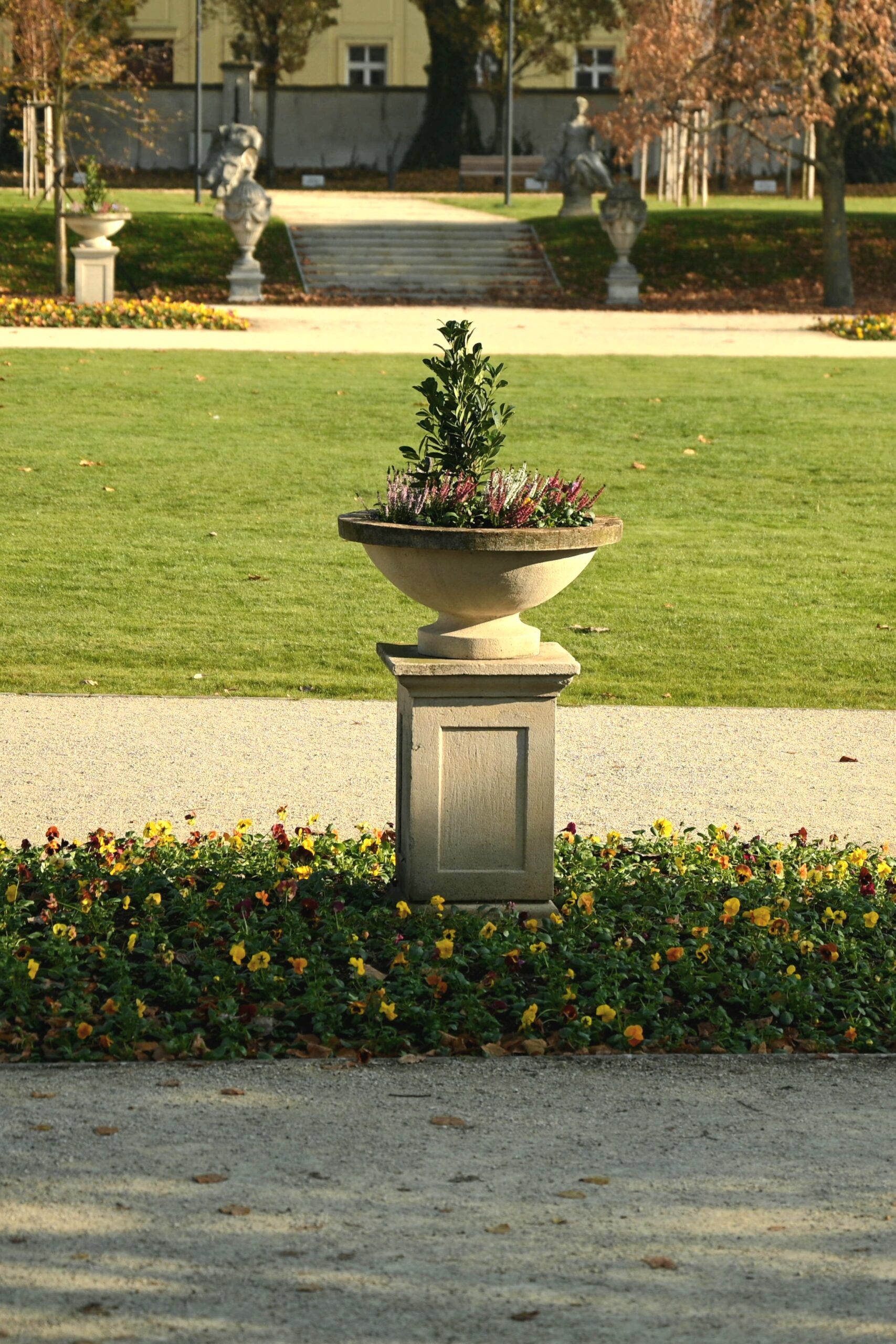
The Grassalkovich Garden, located behind the palace, remains open to visitors free of charge and is a favorite resting spot for both locals and tourists. The garden features an equestrian statue of Empress Maria Theresa, the Youth Fountain, various sculptures, a tree-lined avenue planted by presidents visiting Slovakia, and beautifully arranged flower beds.
Tips
Nearby restaurants
If you exit the Grassalkovich Garden through the gate on Banskobystricka Street, you’ll find two popular spots right in front of you: Triplefive Coffee, known for its specialty coffee, fine teas, and delicious cakes, and Divny Janko restaurant, just around the corner on Jozefska Street, serving traditional Slovak dishes.
Exiting through the gate on Stefanikova Street will lead you to the Fabrika brewery, located in the Loft Hotel Bratislava. This popular spot offers both indoor and outdoor seating. For a touch of early 20th-century charm, visit Stefanka, one of Bratislava’s iconic coffee shops. Named after Princess Stéphanie of Belgium, Crown Princess of Austria, it boasts a history dating back to 1897. Although not continuously operating since its founding, Stefanka remains a well-known spot among locals.
If you’re looking for a variety of coffee shops, including the cozy little Panenska kaviaren, head to Panenska Street. For a hearty lunch, visit Mestiansky pivovar, a spacious two-story brewery next to the Crown Plaza Hotel that serves traditional Slovak meals. For dessert, stop by Pan Cakes, a charming crêperie just a few steps from the Old Town’s pedestrian zone.
Things to do nearby
The Grassalkovich Palace is located just outside the Old Town’s pedestrian zone, where most of the city’s traditional tourist attractions can be found. For those seeking a less conventional sightseeing experience, the nearby Namestie slobody (Freedom Square) features the 1980 Druzba (Friendship) Fountain. Not far from there, you can also see the iconic Slovak Radio building, an architectural experiment from 1983 with an inverted pyramid design that has become a symbol of Bratislava. Still, the three closest tourist highlights are: Michael’s Gate, which is within walking distance; Bratislava Castle, accessible by trolleybus lines 44 and 47; and the Slavin Memorial, reachable by bus line 147.
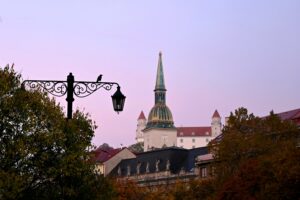
Perched on a hill where people have dwelled since the Stone Age and where the Celts minted their well-known Biatec coins, Bratislava Castle stands tall as the most impressive landmark in the city. For centuries, it was overseeing the intersection of Europe’s major trade routes – the Danube River and the Amber Road. Today, it exhibits a historical museum and a baroque garden. The castle walls and the castle park remain accessible at all times, offering one of the finest views of the city’s panorama.
Michael’s Gate is the only preserved gate from the medieval fortifications of Bratislava. It was built in the 13th century and served as a part of the city’s fortifications. The tower offers stunning views of the Old Town and is one of the most recognizable landmarks in Bratislava. Don’t miss out on the opportunity to snap a photo with this iconic gate! Besides the tower, be sure to visit the Red Crayfish, a small Museum of Pharmacy located within the Gate’s barbican.
Built in 1960, this memorial and military cemetery honors the soldiers of the Red Army who were killed in action in western Slovakia during World War II in April 1945. Despite its solemn purpose, Slavin is a favorite among locals and visitors for the stunning views it offers of Bratislava, particularly during the evening hours.
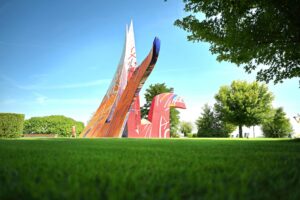
Freedom Square in Bratislava is one of the city’s largest open spaces, known for its massive Druzba Fountain, once the biggest fountain in Central Europe. Shaped like a giant linden flower—the national tree of Slovakia—it symbolizes friendship and unity.
One of Bratislava’s Hidden Gems, the Slovak Radio Building is famous for its striking inverted pyramid shape. This distinctive modernist landmark representing a bold example of socialist-era architecture was completed in 1983. While its unusual design has divided opinions, it remains an icon of the city’s skyline and an important cultural hub. It is also home to the Slovak Radio Symphony Orchestra, one of the oldest and most respected ensembles in the country.
Located just a short walk from the city center, Medicka Garden is one of Bratislava’s most beloved green spaces. This historic park, with its tree‑lined paths, fountains, and open lawns, is perfect for a peaceful stroll or a picnic. Originally part of a baroque estate later linked to the city’s medical faculty, it remains a quiet retreat amid the city’s lively streets.
St. Andrew’s Cemetery or “Ondrejsky cintorin” is one of the oldest and most atmospheric cemeteries in Bratislava, dating back to the 18th century. Once the main burial ground of the city, it holds the graves of notable citizens, including artists, politicians, and scholars. Shaded by old trees and lined with historic tombstones, the cemetery feels more like a peaceful park than a burial site. Today, it serves as a quiet green retreat in the city center, where history and nature intertwine.