
Bratislava Castle
Centuries of dominance
About
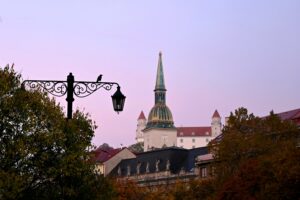
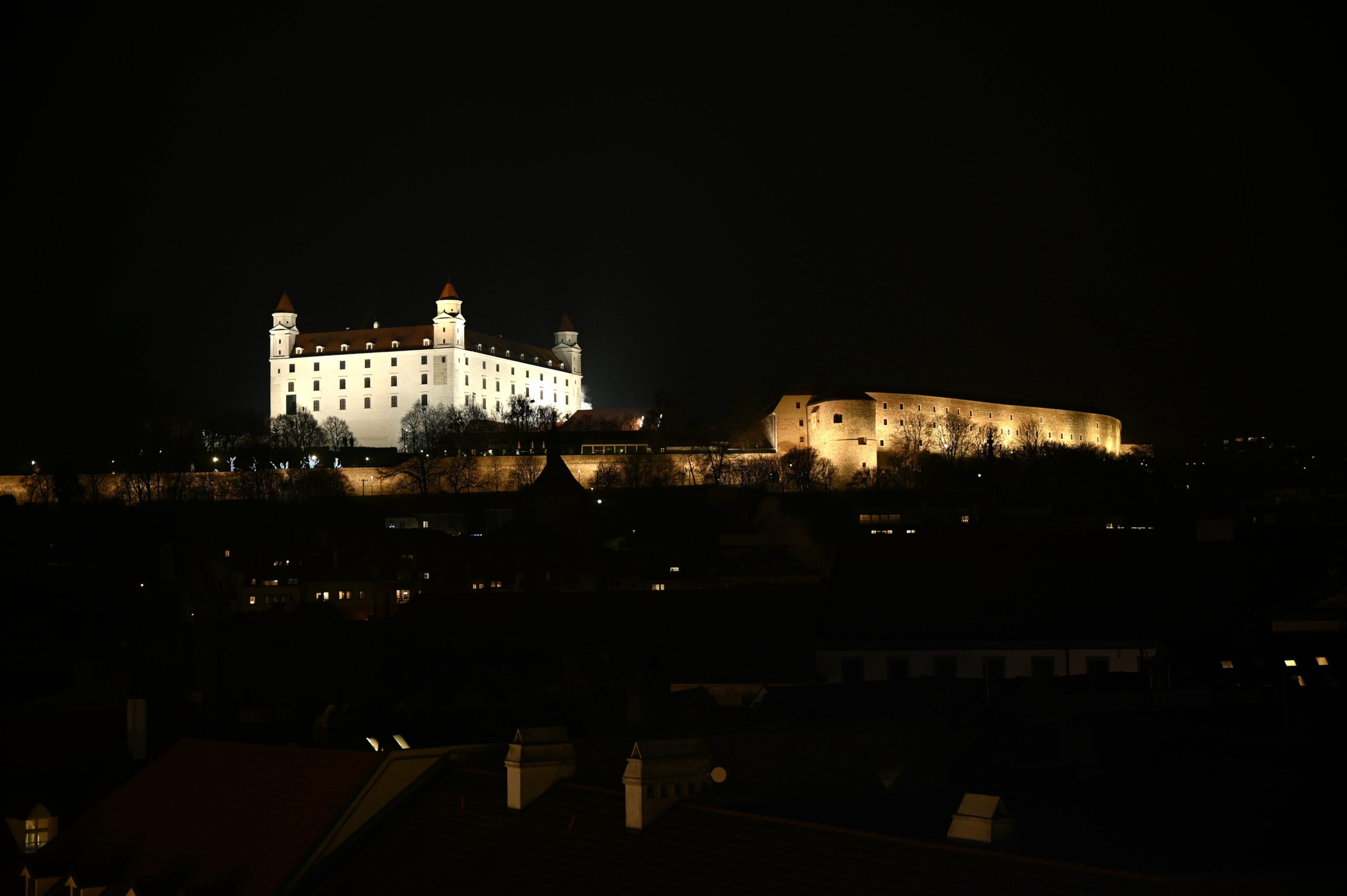
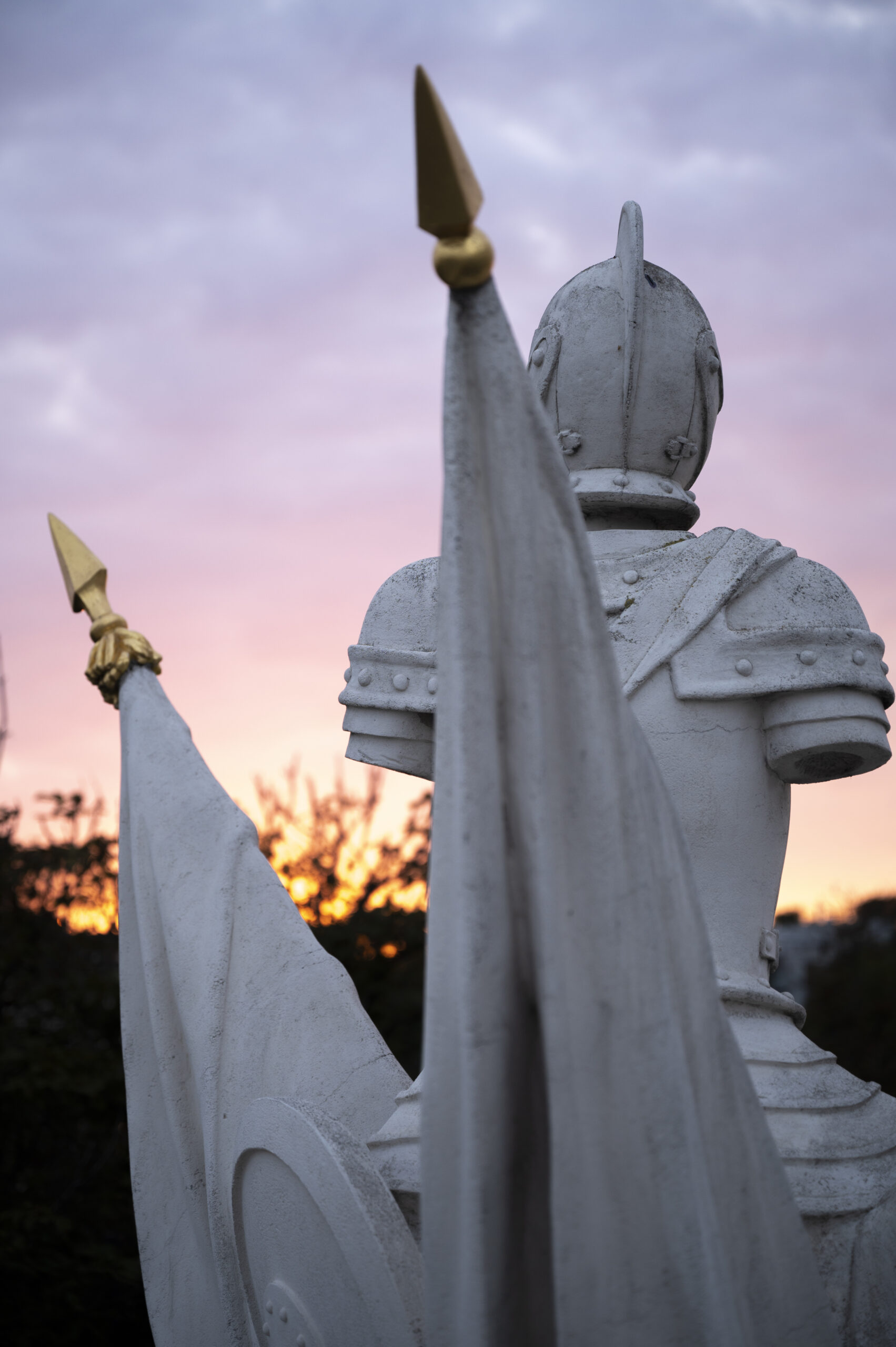
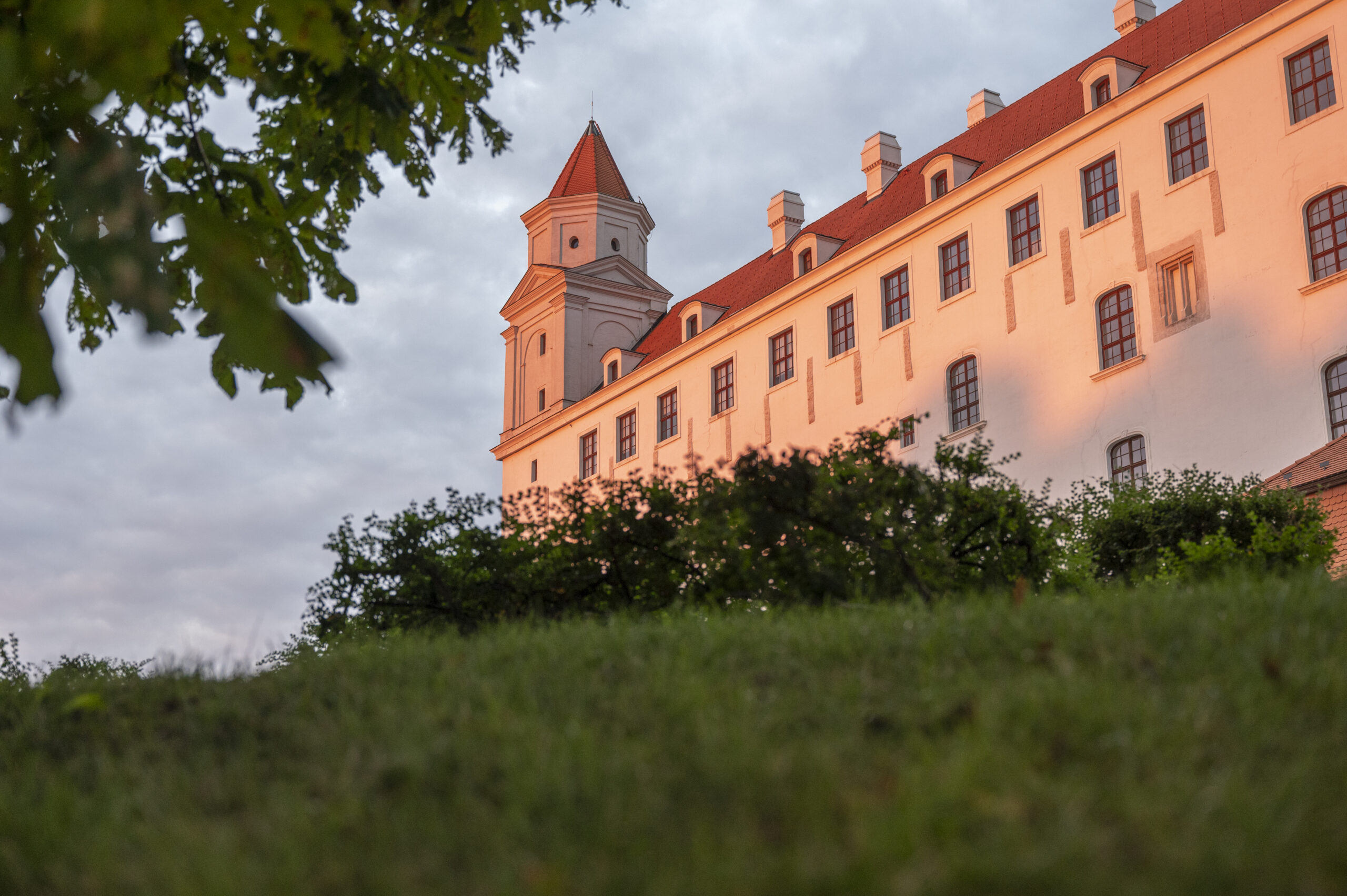
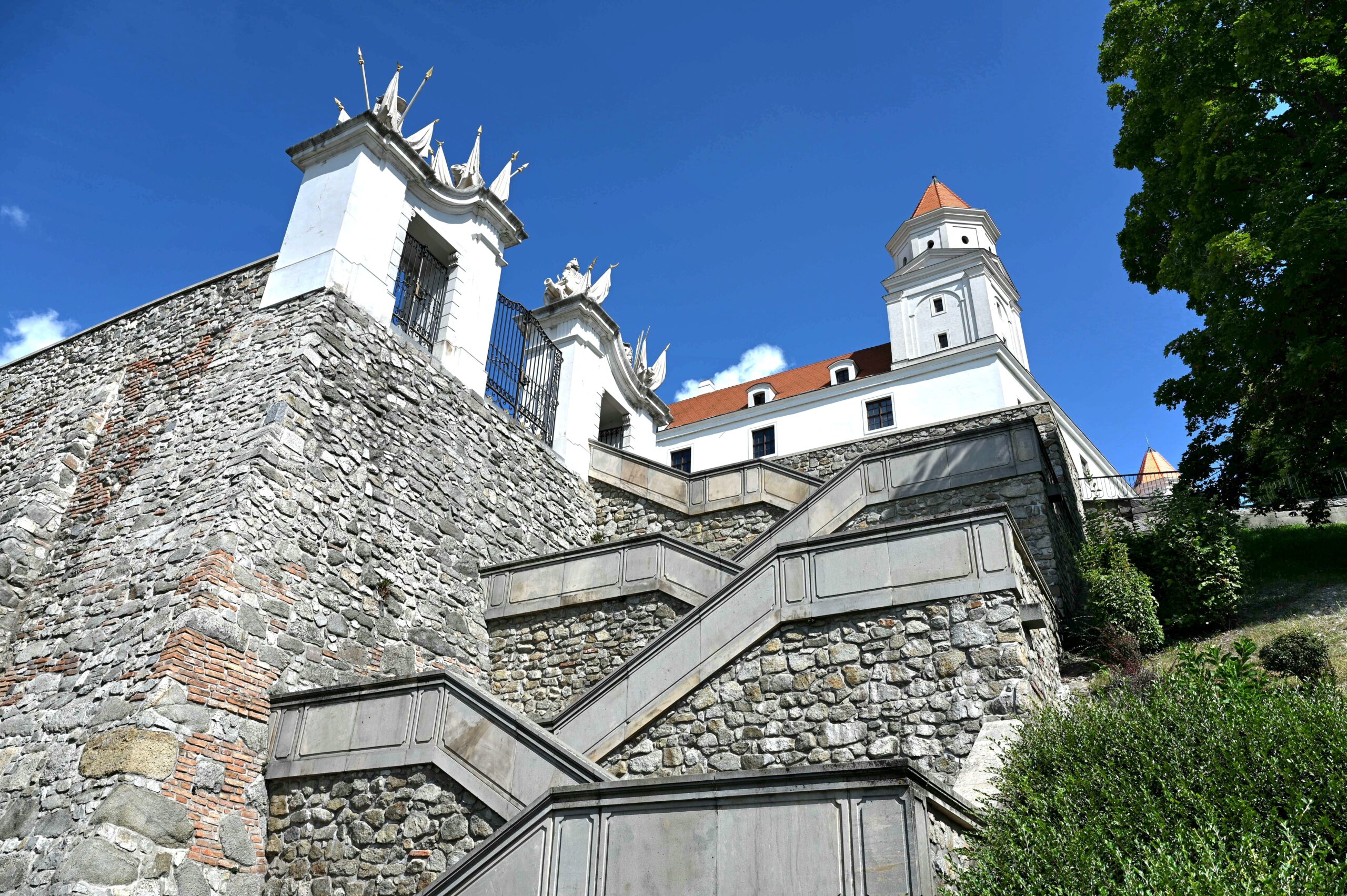
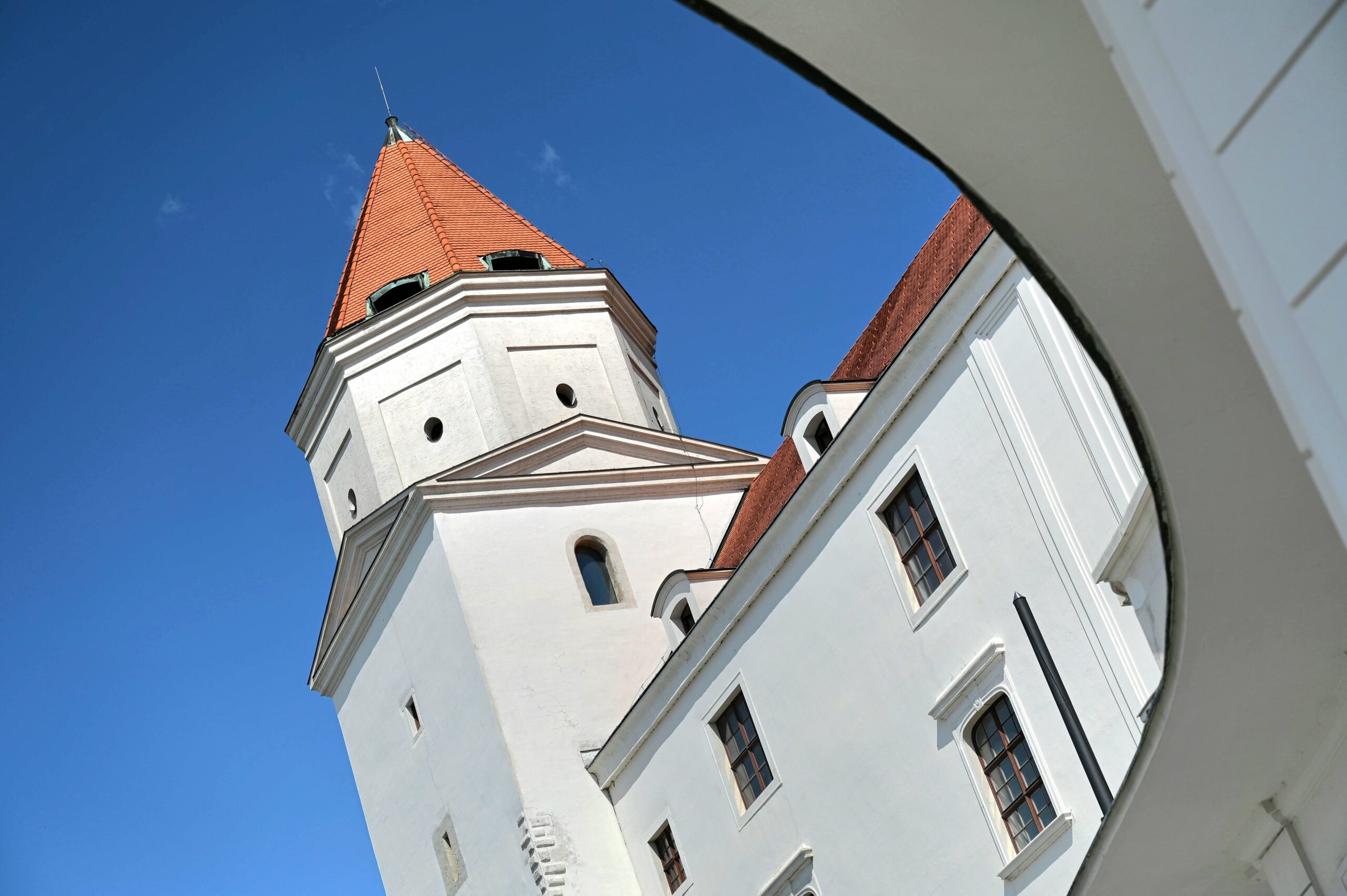
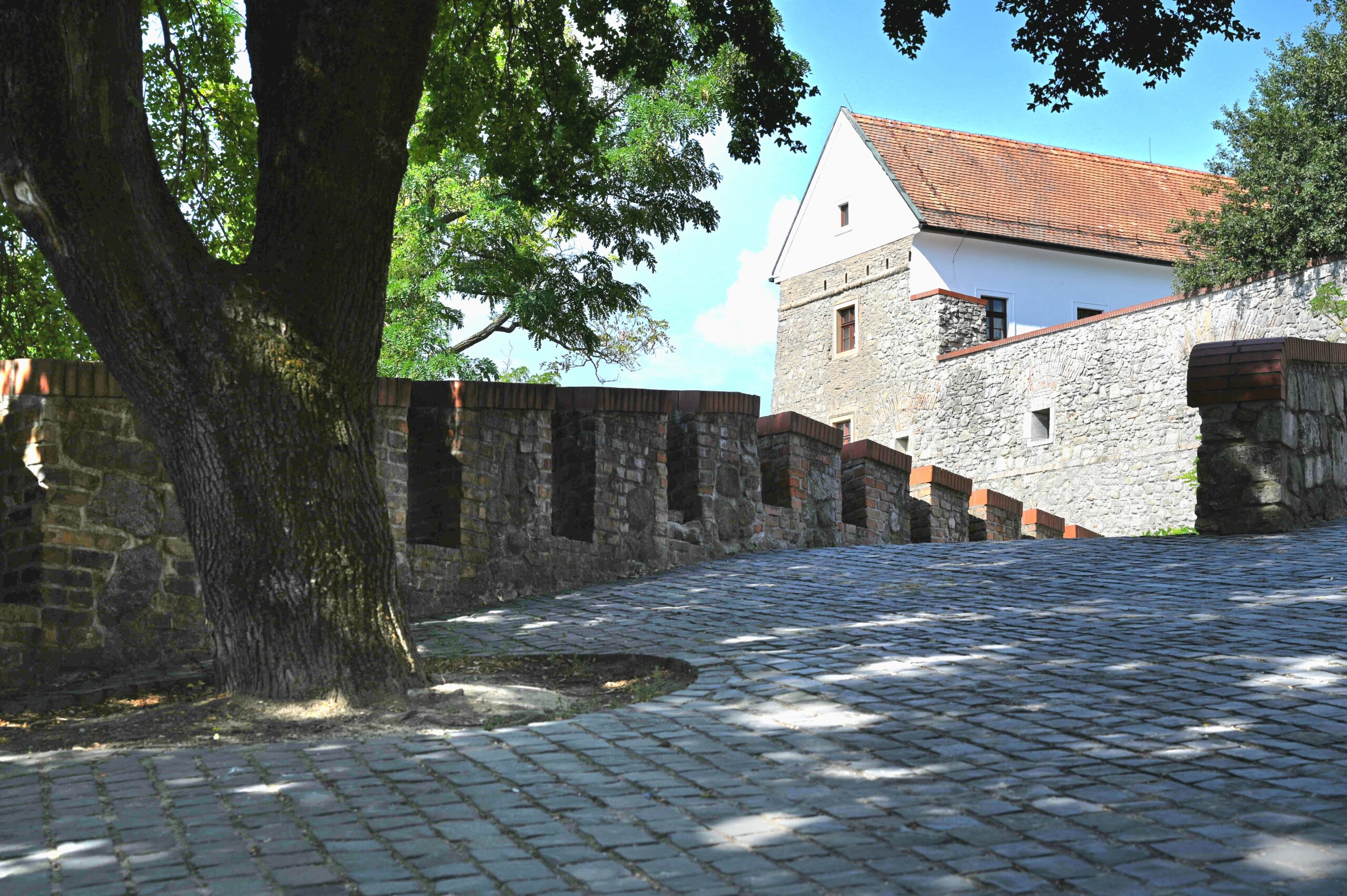
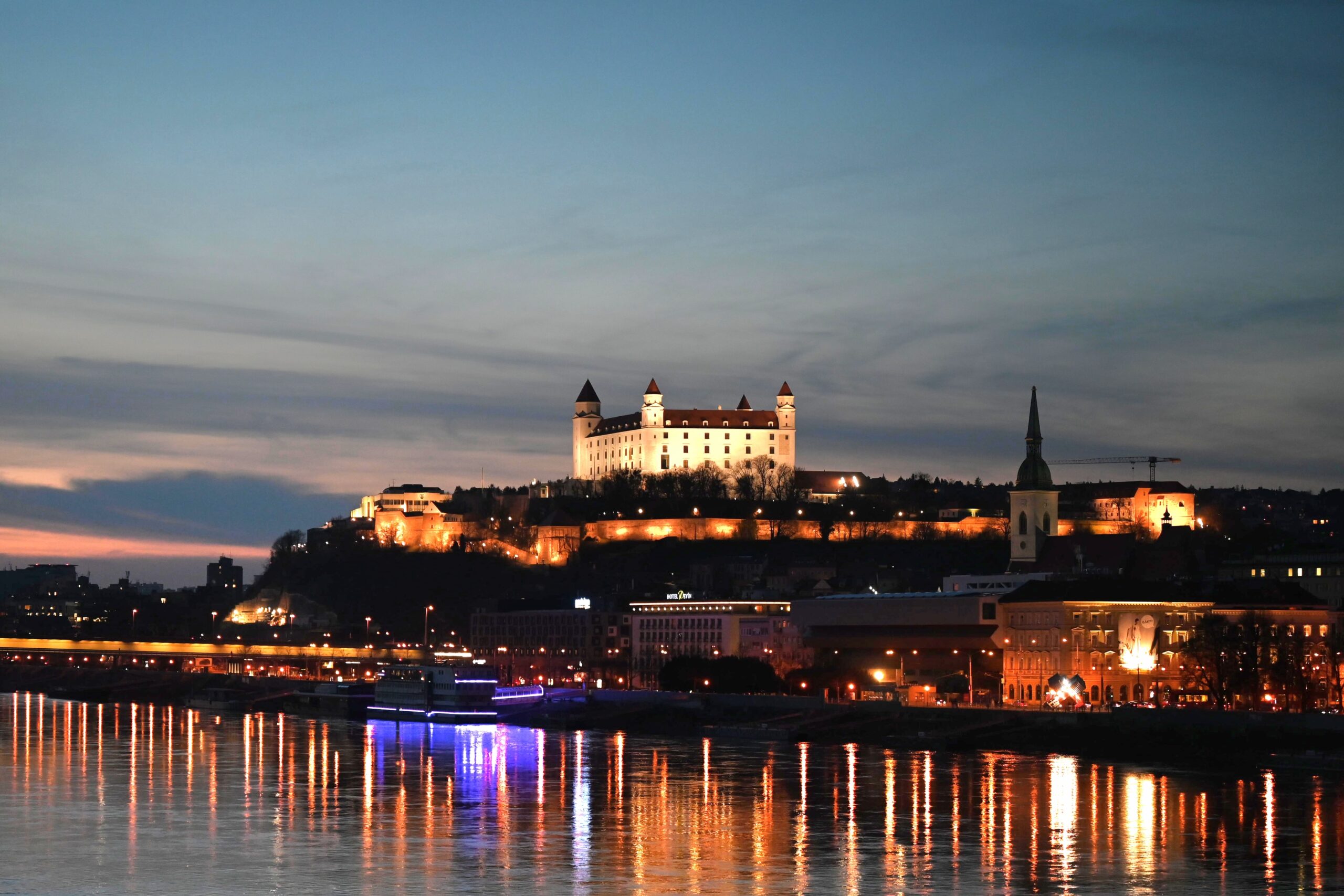
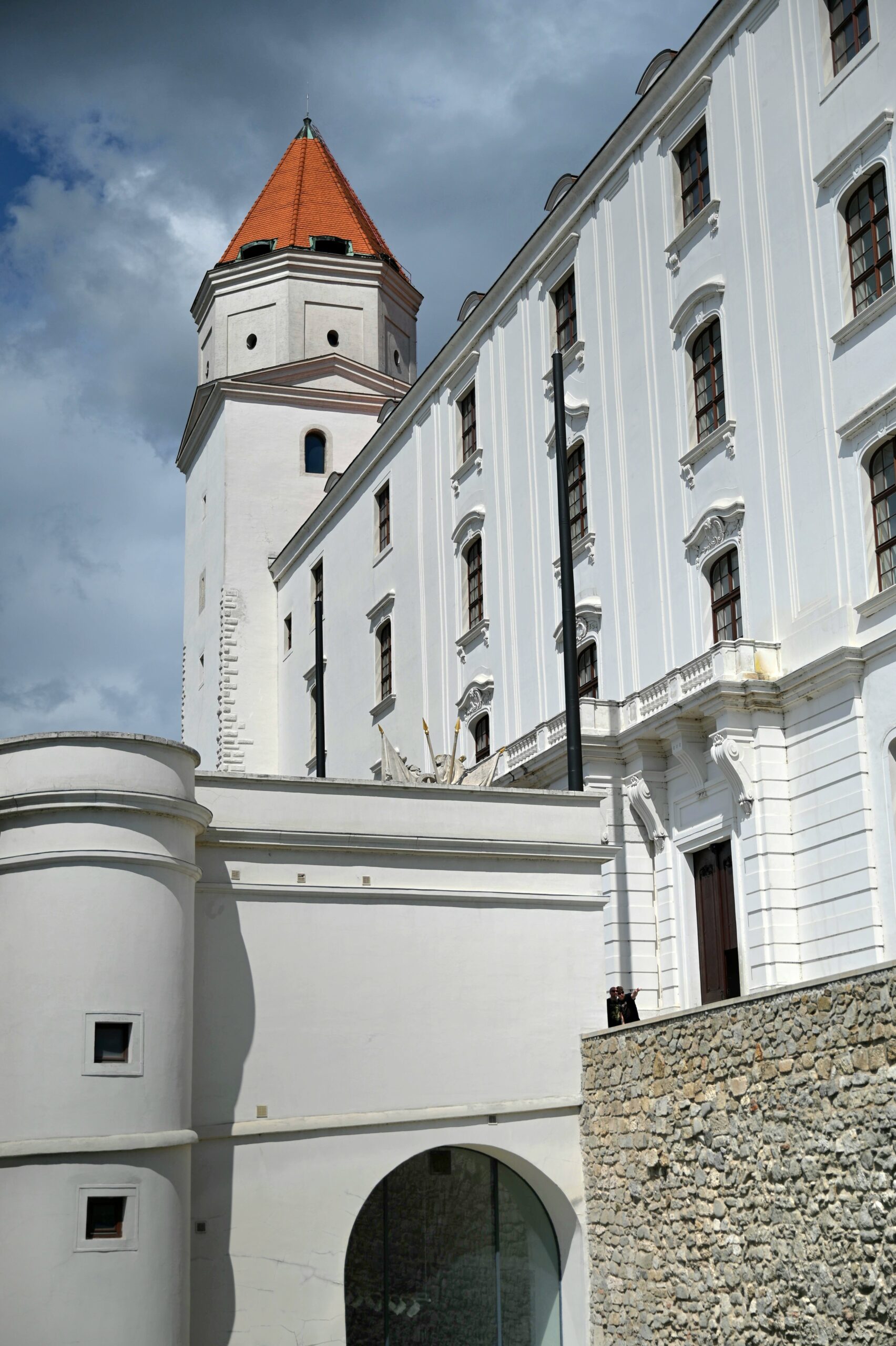
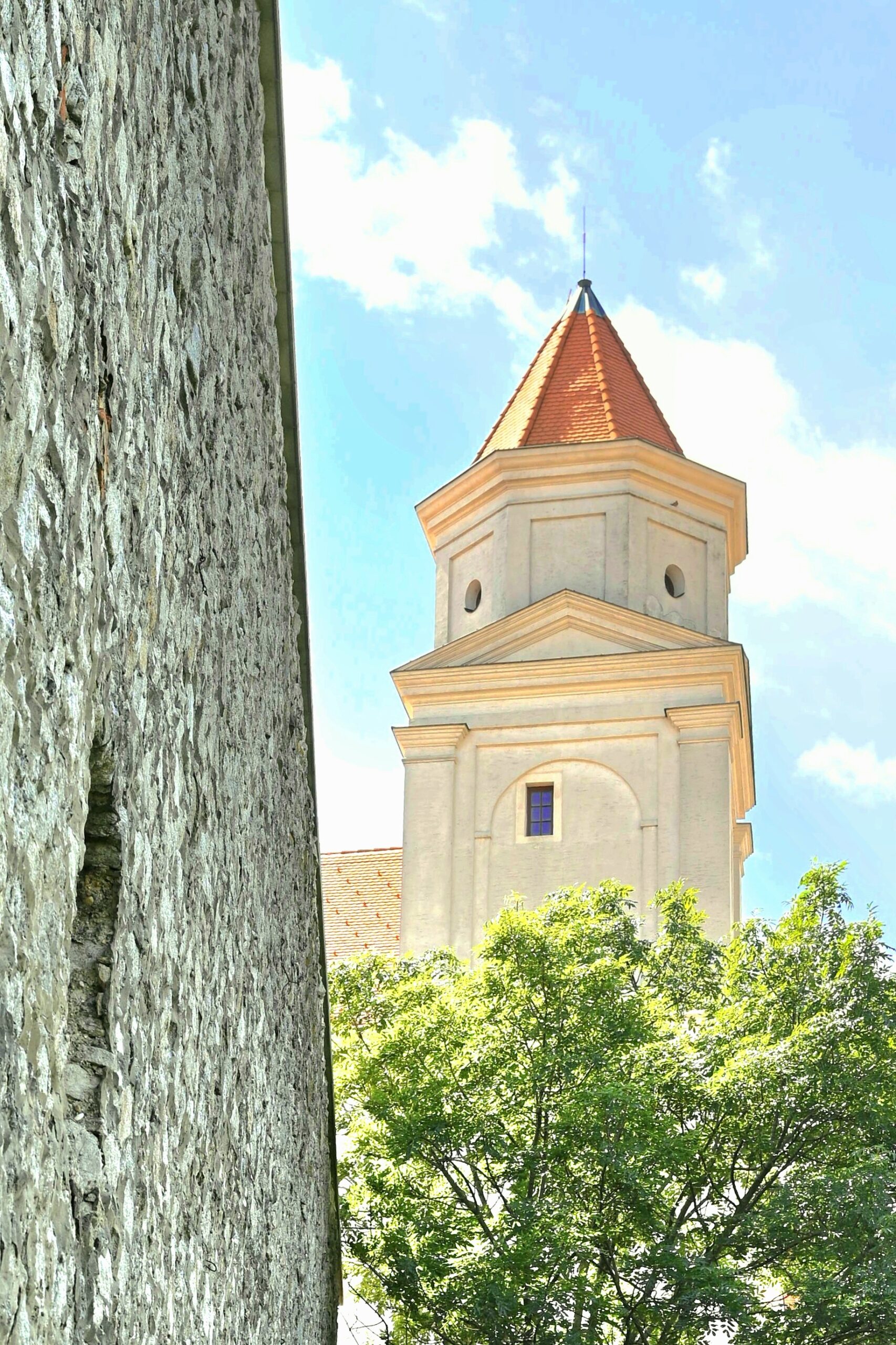
Thanks to its size, strategic location, and historical relevance, Bratislava Castle has been the most important building and a symbol of the city for hundreds of years.
From Stone Age settlements dating back to around 3500 B.C., through an Iron Age fortified settlement of the Celts, a Roman military outpost protecting the ‘Limes’ from Barbaric raids, to a Slavic fortified settlement and finally a Middle Age castle with a palace that was many times upgraded and reconstructed, and even became the royal and imperial residence, the inhabitants of the hill above the Danube were overseeing a key European crossroads. For thousands of years, ancient trade routes went through a gap between the Carpathians and the Alps, and crossed the Danube at a shallow ford at this very place.
The castle was damaged by Napoleonic forces in 1809 A.D. and destroyed by fire in 1811. In the first half of the 20th century, there were plans to demolish the castle completely, and it wasn’t until 1960s that the decision was made to save and partially reconstruct it. The castle went through its most significant reconstruction worth more than 100 million euros in the past decade. The palace, the surrounding buildings, and the garden got back their baroque-style appearance from the era of Empress Maria Theresa.
The premises of Bratislava Castle serve as the Museum of History under the Slovak National Museum.
Tips
Nearby restaurants
If you choose to dine close to the Castle, there are a few options to consider. Parlament is situated right on the edge of Castle Hill and offers an amazing view of the Danube River. It serves a selection of traditional and modern dishes in a fine-dining setting, along with budget-friendly lunch specials available on weekdays. On your way back to the Old Town, you’ll find Modra Hviezda, a restaurant serving traditional Slovak meals in a folksy atmosphere. Note its limited opening hours on weekdays. Further downhill, you can enjoy Jasmin, a charming Chinese restaurant that’s open daily. For a more affordable, casual dining experience, try Four Seasons Bistro, open only on weekdays. Alternatively, you can head back to the Old Town and choose from a variety of dining options.
Things to do nearby
While visiting the Bratislava Castle, take advantage of some of the nearby attractions. For those who need a quick escape from the city, we recommend visiting the Forest Park located just a couple of stops from the Castle. If you seek some fun, be sure to visit Multium, a gallery creating eyes-pleasing illusions through mirrors. For history lovers, the Museum of the Jewish Culture will guide you through the community’s political, social, and religious milestones. Finally, enter the Old Town through the City Walls that were for centuries protecting it from invaders.
Immerse in an illusion of infinity achieved through six mirror installations that will leave you with an unforgettable experience! The author of the space and mirror gallery Multium, inspired by similar exhibitions in cities such as New York and Tokyo, placed multiple mirrors against each other to incite specific emotional responses. Each room features a unique combination of art and optical effects. Physical objects, colors and lights interplay in a visual symphony. Find yourself in an alternative space outside your day-to-day existence!
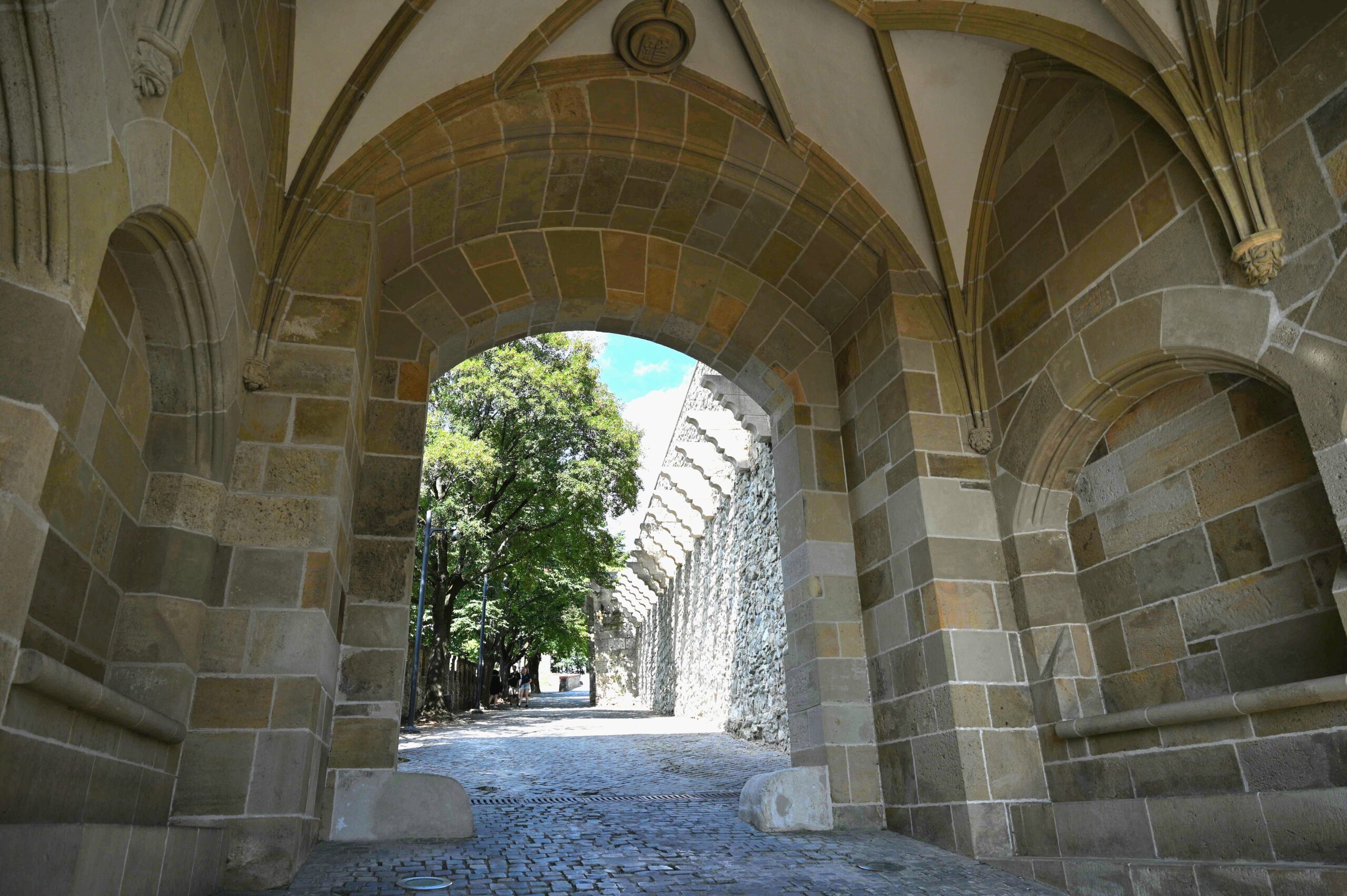
During the Middle Ages, Bratislava’s massive City Walls played an important defensive role. The inner city was only accessible through three main fortified gates, and later a smaller one in the Danube direction. The Michael’s Gate featuring an iconic tower is the only one that survived until today. As the walls’ relevance decreased after the defeat of the Ottoman forces in the 18th century, their large part was destroyed to allow the city’s further expansion. Travel back in time by entering the preserved part of the walls through a bridge connecting it with the Castle Hill, a gate opposite to the St. Martin’s Cathedral, or a passage from Kapitulska Street. The Walls are open every day of the week.
Just 5 minutes by trolleybus (line 47) from the Bratislava Castle lies a green oasis. The Forest Park or “Horsky park” established 150 years ago is a perfect place for a refreshing walk on a hot summer day. It features a popular cottage-style coffee shop with a mini-zoo and a small playground, as well as a small open-air gallery. The Forest park is pet-friendly.
The Museum of the Jewish Culture guides you through the history of Jews in this region since the Middle Ages. The artifacts demonstrate the community’s daily life, holidays, and key personalities, as well as the interior design of a synagogue. It also features a commemorative exhibition dedicated to 70,000 victims of the Holocaust from Slovakia. The museum, a specialized body under the Slovak National Museum, is located in a 17th century late-Renaissance mansion built in the Jewish quarter, an area between the inner city and the castle.
The seat of the President, originally built in 1760 as the summer residence of Count Grassalkovich, is located just outside the Old Town’s pedestrian zone. While the Grassalkovich Palace is closed to the public due to its official function, the adjacent garden, featuring beautiful flower beds and old trees, remains open free of charge. Renowned for its beauty and tranquility, the garden is a popular spot for walks and relaxation.
Built in 1960, this memorial and military cemetery honors the soldiers of the Red Army who were killed in action in western Slovakia during World War II in April 1945. Despite its solemn purpose, Slavin is a favorite among locals and visitors for the stunning views it offers of Bratislava, particularly during the evening hours.