Primate’s Palace

This luxurious residence of the Primate, the Archbishop of Esztergom, was built in 1781 behind the Old Town Hall, on a square that once served as a meat market. In December 1805, the Peace of Pressburg (now Bratislava) was signed in the palace’s Mirror Hall, following the Battle of Austerlitz. The treaty, negotiated between Austria and France, led to the dissolution of the Holy Roman Empire and is commemorated through the Rue de Presbourg in Paris. The Primate's Palace houses six exquisite English silk-and-wool tapestries from the 1630s, depicting the ancient tale of Hero and Leander, woven at the Royal Mortlake Tapestry Works. Its courtyard features a striking fountain of St. George battling the dragon.

0 Comments

Devin Castle

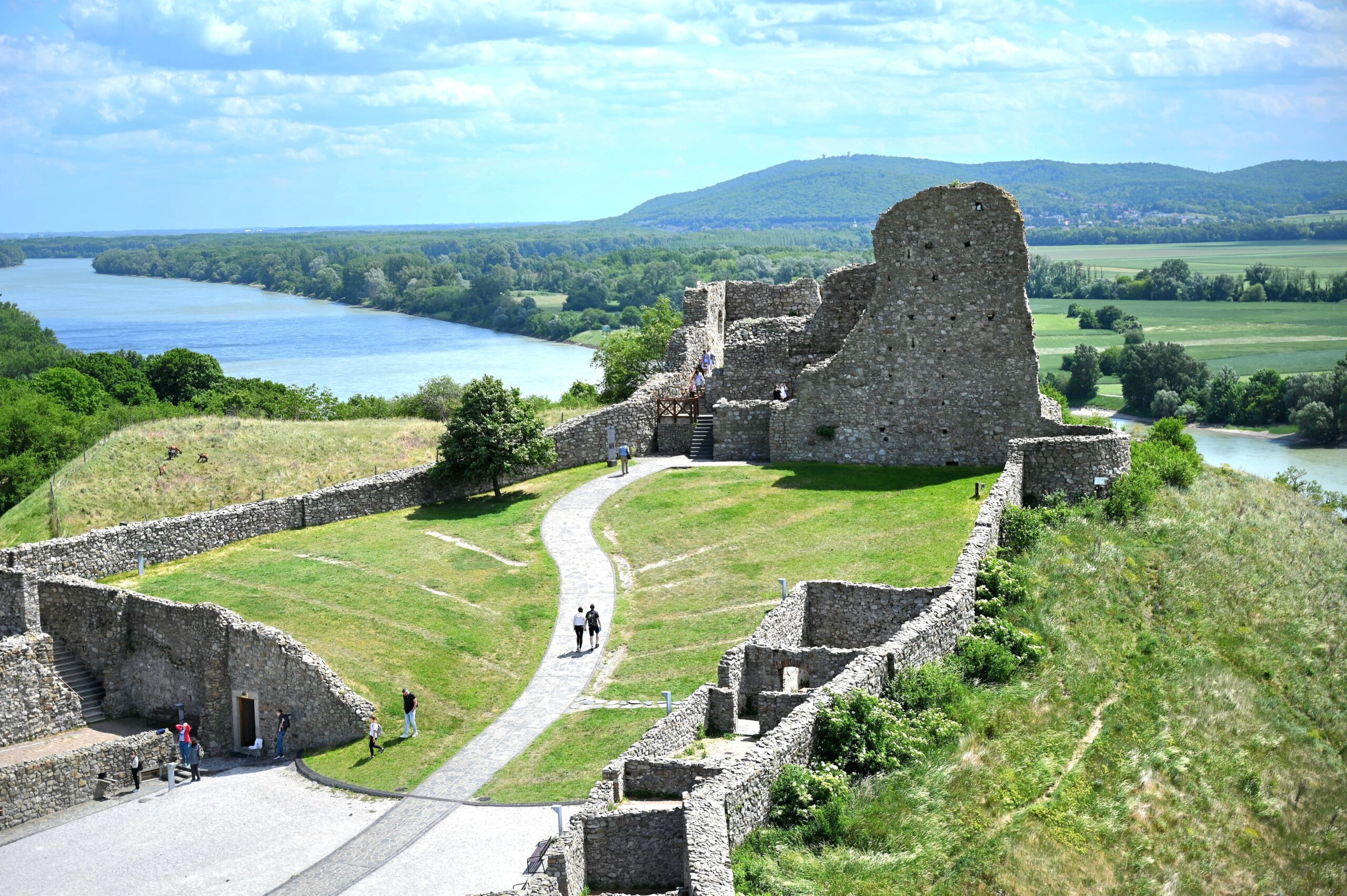
Castle Hill, located at the confluence of the Danube and Morava Rivers, is one of Slovakia’s most significant archaeological sites. From prehistoric cultures, through the Roman and Germanic period, to the Slavs who built one of their earliest castles here, this site has witnessed continuous human settlement spanning thousands of years. The nearly thousand-year-old Devin Castle was destroyed by Napoleonic forces in 1809, but in the decades that followed, it became a symbol of Slovak national emancipation. During the Communist regime, the location gained notoriety as a perilous escape route to Austria. Today, the Gate of Freedom memorial, situated beneath the castle cliff, honors the memory of more than 400 people who were killed attempting to flee Czechoslovakia.

0 Comments

Chatam Sofer Memorial

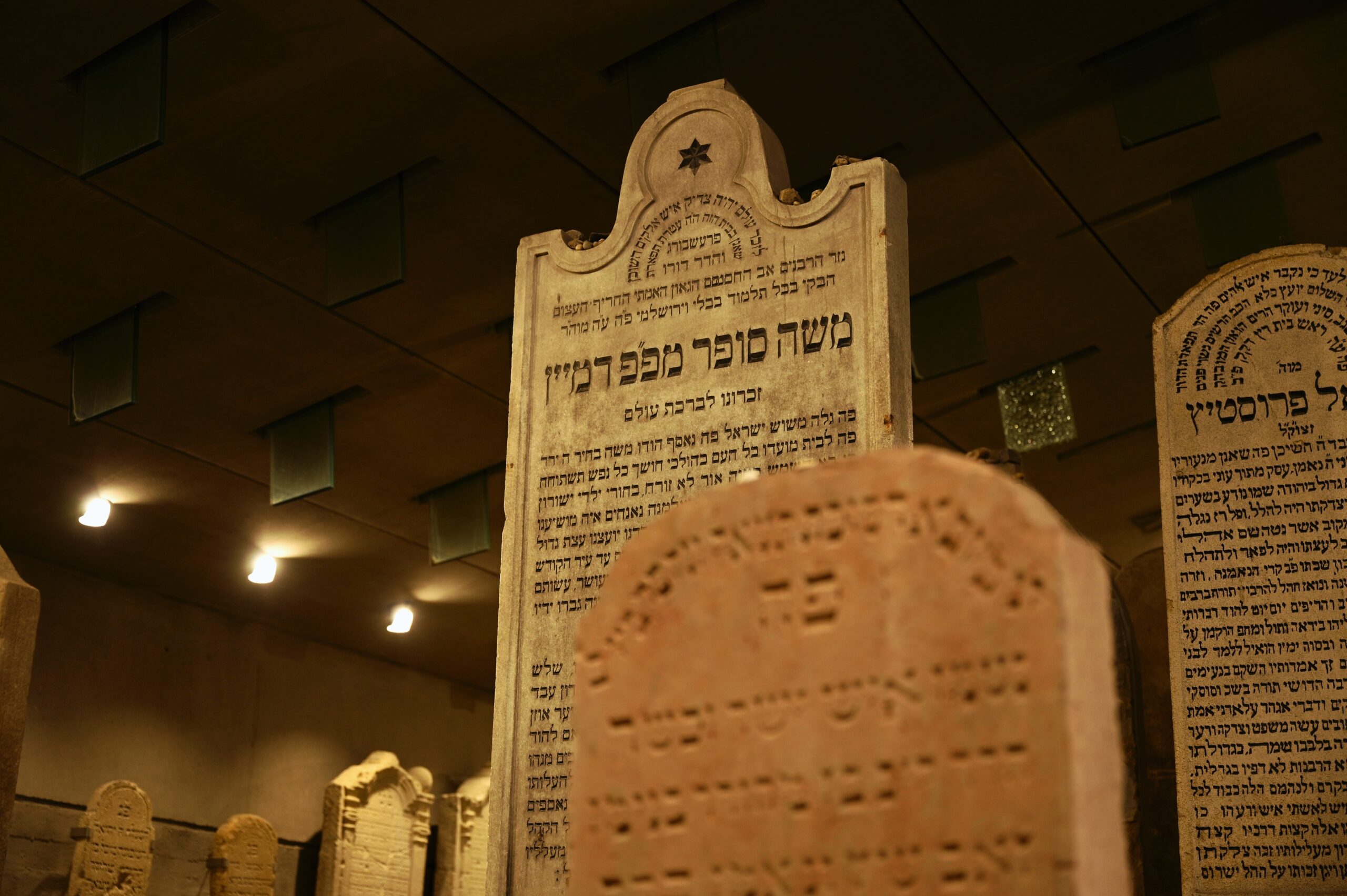
The burial shrine houses 23 graves of prominent Orthodox rabbis and scholars, including Chatam Sofer (Moses Schreiber), the founder of the influential Pressburg Yeshiva and one of the key Jewish scholars of the 19th century. This site represents the most treasured section of an old Jewish cemetery that dates back to the 17th century. In 1942, the cemetery was covered with concrete, but it was restored in 2002 in a new form of the Chatam Sofer Memorial.

0 Comments